5142 visitors online
The threat of Russian aggression towards the European Union has become a major concern for many countries. European leaders are urging for a unified strategy to counteract Russia's military and hybrid threats. German Chancellor Friedrich Merz has warned that appeasing Russia could lead to a broader conflict in Europe. Meanwhile, the United Kingdom is preparing plans to transition to martial law, reflecting the growing concern of Russian intentions. Russian Foreign Minister Sergey Lavrov states there is no intention to wage war on Europe, but tensions remain high. European intelligence agencies are monitoring potential Russian sabotage activities, and NATO is being urged to take decisive deterrent actions. Furthermore, European Commission initiatives like the "military Schengen area" aim to enhance troop mobility across the EU.

What are the main concerns about Russian aggression towards Europe?

The primary concern regarding Russian aggression towards Europe is the potential for a larger-scale conflict that could destabilize the region. Leaders fear that Russia's actions in Ukraine might extend to other European nations, urging for stronger defense strategies and cooperation among EU and NATO members to address this threat.

How are European countries preparing for possible Russian aggression?

European countries are enhancing their defense capabilities and strategies. This includes increasing military budgets, proposing rapid military mobility measures such as a "military Schengen area," and strengthening NATO's deterrence policies. Additionally, nations like the UK have plans to transition to martial law if needed.

What is Russia's official stance on its intentions towards Europe?

Officially, Russia, through statements by Foreign Minister Sergey Lavrov, claims it has no intentions of waging war against European countries. However, Europe remains skeptical due to ongoing Russian military activities, territorial provocations, and aggressive posturing in its foreign policies.

What role does NATO play in deterring potential Russian aggression?

NATO plays a crucial role in deterring possible Russian aggression by coordinating the defense strategies of its member countries, conducting military exercises, and enhancing its defensive infrastructures across European borders. It encourages a unified and decisive response to any potential threats.

How are EU countries coordinating their response to the Russian threat?

EU countries coordinate their response through various mechanisms, including political agreements, defense treaties, and sharing intelligence. The "military Schengen area" is one such initiative designed to facilitate the free movement of troops within the EU to respond swiftly to any threats.

What is the significance of the "military Schengen area" in the context of Russian threats?

The "military Schengen area" is significant as it aims to enable rapid troop deployment across the EU, facilitating swift military responses to potential threats from Russia. This proposal underscores the importance of mobility and coordination among EU military forces in defense strategies.

Why do European leaders believe Russia poses a long-term threat?

European leaders perceive Russia as a long-term threat due to its aggressive actions in Ukraine, military buildup, hybrid warfare tactics, and rhetoric that suggests ambitions of regional dominance. These concerns are compounded by historical precedents and current geopolitical tensions.

How does the possibility of Russian hybrid attacks affect Europe's security policies?

The potential for Russian hybrid attacks, including cyber operations and sabotage, compels Europe to bolster its defense capabilities in these domains. It affects security policies by prioritizing resilience against asymmetric threats, developing rapid response strategies, and enhancing intelligence-sharing frameworks.

show details

Latest news Threat of Russian agression to EU

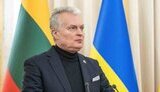
Lithuanian President Gitanas Nausėda Russia’s aggressive intentions are reality, not rhetoric. Europe cannot feel safe – Nausėda Lithuanian President Gitanas Nausėda stated that it is essential to convince European allies that Russia’s aggressive intentions are not mere rhetoric but a reality. 548 5 Previously in trend: Threat of Russian agression to EU

Frederiksen, Mette Frederiksen: Russia is ready to continue war not only in Ukraine but also in other parts of Europe Danish Prime Minister Mette Frederiksen said that Russia seeks to continue the war in Ukraine and may encroach on other parts of Europe. 860 3 Previously in trend: Threat of Russian agression to EU

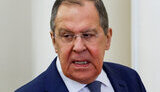
Negotiations between Russia and the United States. Lavrov announces a meeting Lavrov: Russia has no plans to attack European countries Russian Foreign Minister Sergey Lavrov said that Russia allegedly has no plans to attack European countries and criticized the West for"demonizing" Moscow. 4 541 61 Previously in trend: Threat of Russian agression to EU

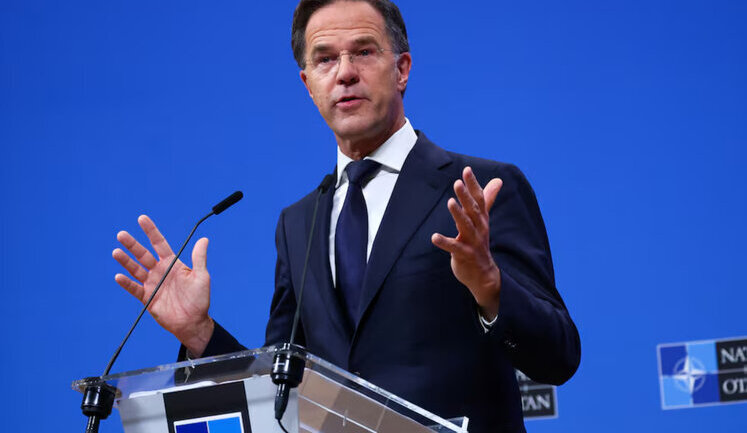
Rutte Russia produces three times more ammunition in three months than NATO does in year - Rutte Russia is significantly ahead of NATO countries in ammunition production. In three months, Russia produces three times as much ammunition as all NATO countries produce in a year. 8 211 101 Previously in trend: Threat of Russian agression to EU NATO ammunition production

Guido Crosetto on the threat from the Russian Federation Russia poses growing military threat to NATO members, - Italian Defense Minister Crosetto Italian Defense Minister Guido Crozetto has warned that Russia could become a serious military threat to NATO countries in five years. 528 8 Previously in trend: Threat of Russian agression to EU

Wadephul on the threat to Germany from Russia Russia poses threat to peaceful life and freedom in Germany - Foreign Minister Wadephul German Foreign Minister Johannes Wadephul has warned against underestimating the threat posed by Russia to Germany. 1 300 8 Previously in trend: Threat of Russian agression to EU

Russia is preparing for a prolonged aggression. What Kallas said Russia is increasing military spending, it is plan of long-term aggression - Kallas NATO member states should increase defense spending as Russia is planning a long-term aggression. 828 12 Previously in trend: Threat of Russian agression to EU

Russia may attack countries of Northern Europe There are risks that Russia could start war against countries of Northern Europe in few years - Dutch Prime Minister Schoof We should prepare for the fact that Russia may start a war against the countries of Northern Europe in a few years, 1 224 16 Previously in trend: Threat of Russian agression to EU

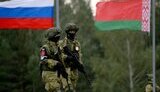
Zelenskyy warns that Russia may be preparing a new attack in Belarus Zelenskyy: Russia is "preparing something" in Belarus this summer and will hide behind military exercises In a speech at the Three Seas Summit, President Volodymyr Zelenskyy called for attention to Russia's preparations for new aggression against other countries, including Poland. 4 462 22 Previously in trend: Threat of Russian agression to EU miltary training of belarus and russia

Šakalienė on long-term threat from Russia Russia, regardless of outcome of war in Ukraine, will remain long-term threat - Šakalienė During a visit to the United Kingdom, Lithuanian Defense Minister Dovile Šakalienė said that Russia will remain a long-term threat. 1 037 6 Previously in trend: Threat of Russian agression to EU

Donald Trump’s Special Representative for the Middle East Steve Witkoff Putin doesn’t want to take over all of Europe - Witkoff US Presidential Special Representative for the Middle East Steve Witkoff believes that Russian dictator Vladimir Putin does not intend to take over the whole of Europe. 19 633 241 Previously in trend: Threat of Russian agression to EU

Page 2 of 2