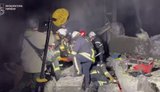
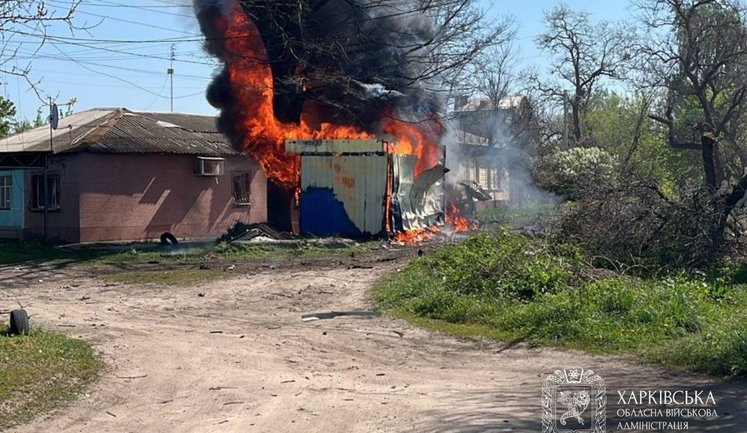
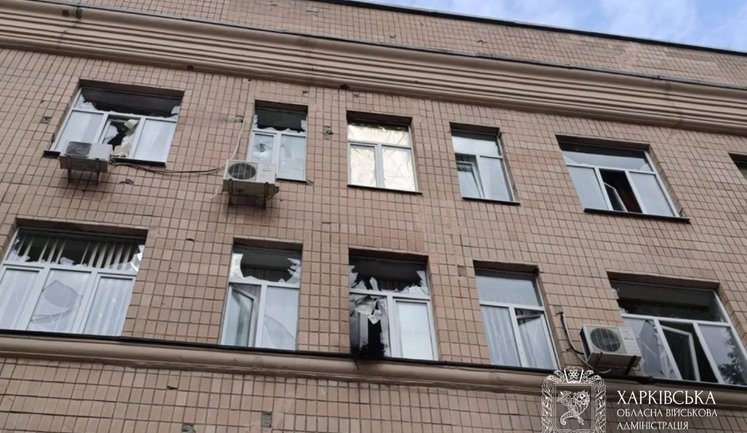
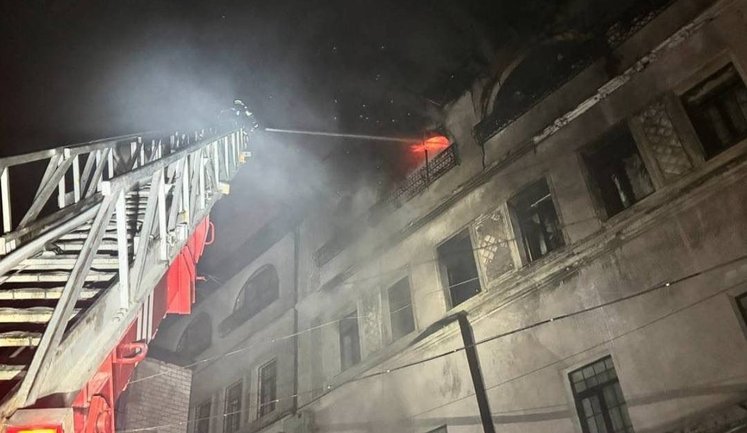
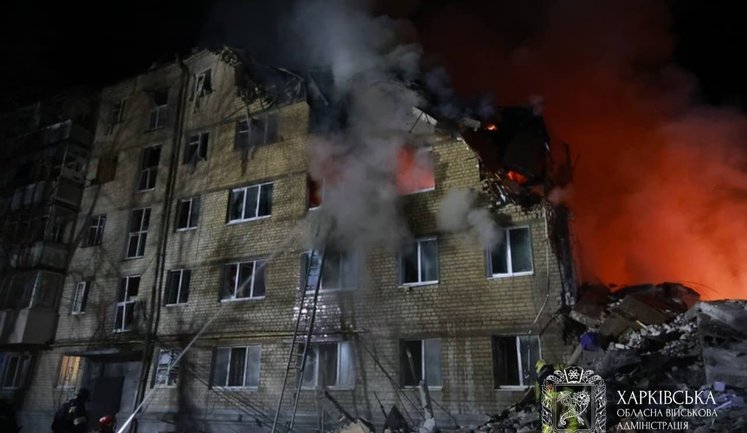
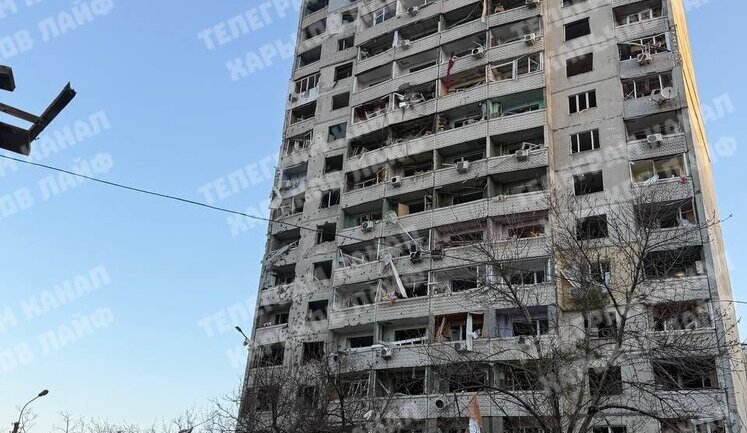
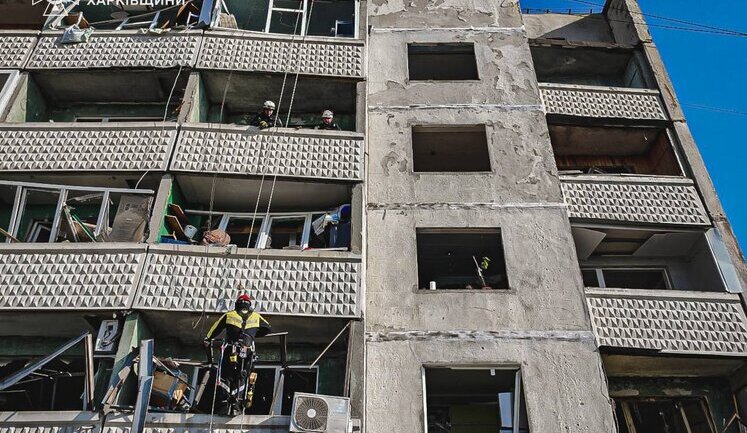
The ongoing shelling of Kharkiv by Russian forces continues to disrupt daily life and cause significant harm to both infrastructure and civilians. A recent attack on a power substation forced the "Neutron Source" nuclear facility to operate on emergency generators. Tragically, a missile strike on a high-rise building resulted in the loss of Olena Udovychenko and her nine-year-old son Gordii. The city's power grid suffers from repeated strikes, leaving around 40% of residents without electricity. Additionally, multiple missile attacks on residential structures have caused numerous casualties, including children. Over recent months, Kharkiv endures constant threats with numerous bombings targeting energy facilities, educational institutions, and housing, sparking urgent international concern. The tragic incidents testify to the grave impact of continuous Russian aggression on Ukraine, with numerous deaths reported and emergency services conducting rescue operations amidst the devastation.
What was the impact of the shelling on Kharkiv's nuclear facility?
Kharkiv's "Neutron Source" subcritical nuclear facility experienced a power outage due to missile attacks on a nearby power substation. This forced the facility to operate on emergency diesel generators for three days, raising concerns over nuclear safety amid ongoing hostilities.
What are the recent civilian casualties in Kharkiv due to shelling?
Recent shelling in Kharkiv has resulted in numerous civilian casualties, including the deaths of a primary school teacher, Olena Udovychenko, and her nine-year-old son Gordii, due to a missile strike on a high-rise residential building. Overall, attacks have led to multiple fatalities, including children, due to indiscriminate missile and drone strikes.
How have the Russian strikes impacted Kharkiv's energy supply?
Russian strikes on Kharkiv have severely disrupted the city's energy supply. Approximately 40% of the city remains without electricity after repeated attacks targeting power substations and energy facilities, severely affecting the daily lives and safety of the city's residents.
How has the international community responded to the shelling of Kharkiv?
The ongoing shelling of Kharkiv, including attacks on civilian infrastructure and residential areas, has drawn widespread international condemnation. Countries worldwide, including Estonia, have criticized Russia for escalating violence and violating international norms by targeting civilians and crucial infrastructure.
What measures are in place to protect Kharkiv's civilians from further attacks?
In response to the shelling, Kharkiv authorities and emergency services are continuously working to enhance civil protection measures, including emergency alerts, public shelters, and rapid response efforts to repair essential services and conduct rescue operations. Despite these efforts, continued hostilities pose a high risk to civilian safety.