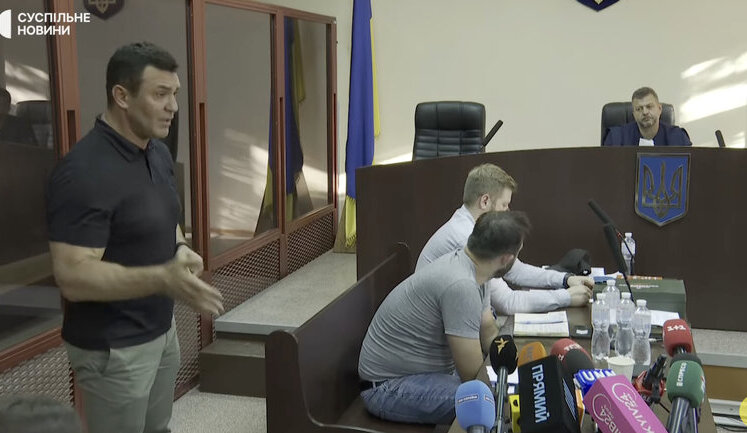
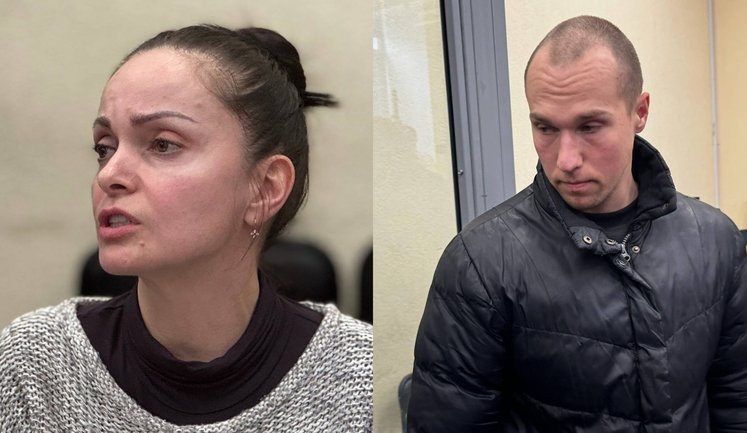
The Pechersky District Court of Kyiv has proven vital in upholding Ukraine's legal proceedings by making pivotal decisions in numerous high-profile cases. Recent actions include easing restrictions on ex-Ukrenergo head, Kudrytskyi, and imposing pre-trial detention on Rynzhuk for charges related to an international killing case. The court's decisions significantly influence the legal landscape, with cases involving notable figures such as NABU detectives, former heads of major national companies, and even deputies linked to intricate legal issues. These actions reflect Pechersky District Court's ongoing role in enforcing justice within Ukraine's judicial system.
What was the recent decision for Ukrenergo's former head?
The Pechersky District Court of Kyiv recently eased the preventive measure against Volodymyr Kudrytskyi, the former head of NPC Ukrenergo, by removing his electronic bracelet. This adjustment marks a shift in his legal constraints, suggesting changes in the court's assessment of his case.
Why is the Pechersky District Court significant in Ukraine?
The Pechersky District Court of Kyiv plays a crucial role in handling high-profile legal cases in Ukraine, dealing with matters involving notable figures and significant national interests. Its decisions can have implications on key issues such as corruption, economic regulations, and political integrity, placing it at the center of Ukraine's judicial process.
What are the implications of the Rynzhuk case at the Pechersky Court?
The case involving Bohdan Rynzhuk, charged with murder in a high-profile international case, underscores the Pechersky District Court's jurisdictional reach and its role in cross-border legal affairs. The decision to detain Rynzhuk reflects the court's stance on ensuring justice across international boundaries.
How has the court ruled on NABU detective Mahamedrasulov's case?
For NABU detective Ruslan Mahamedrasulov, the Pechersky District Court extended the pre-trial restraint, reflecting the ongoing nature of investigations involving him. These decisions demonstrate the court's commitment to thorough legal investigations and due diligence in complex graft cases.
What decision was made regarding house arrest for ex-intelligence officer Chervinskyi?
Roman Chervinskyi, an ex-intelligence officer, remains under the court's watch as his house arrest was extended. The Pechersky District Court's decision to maintain this measure through May highlights its cautious and vigilant approach in handling potentially sensitive security cases.
What has been determined for Vitalii Shabunin by the Pechersky Court?
The preventive measure for Vitalii Shabunin, director of the Anti-Corruption Action Center, was set to personal recognizance until a designated date. This indicates the court's balanced approach, allowing for monitoring while considering personal freedoms in non-custodial measures.
How did the court proceed with the case involving deputy mayor's son?
In the case involving the son of a deputy mayor from Kharkiv, the court ordered Bohdan Rynzhuk's detention, emphasizing the seriousness with which the Pechersky District Court treats allegations of severe crimes such as murder, especially with international dimensions.
What was the court's decision regarding businessman Mazepa?
The Pechersky District Court placed businessman Mazepa in custody with a significant bail option of UAH 349 million, highlighting the court's stance on financial and possibly high-stakes business-related legal proceedings, reflecting its role in economic oversight within Ukraine.
What was the outcome for the gambling and lotteries commission head?
The court opted to detain Ivan Rudyi, head of the Gambling and Lotteries Commission, showcasing Pechersky District Court's firm actions against individuals overseeing major regulatory sectors, ensuring accountability at high levels of public service.
Why did the court lift the arrest on Rotenberg's property?
The Pechersky District Court lifted the arrest on property linked to Arkady Rotenberg, a decision likely based on legal grounds presented that aligned with due process. Such actions signify the court's balance between legal integrity and property rights issues.