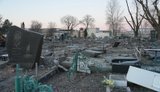
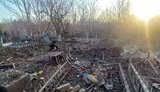
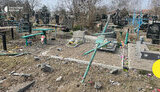
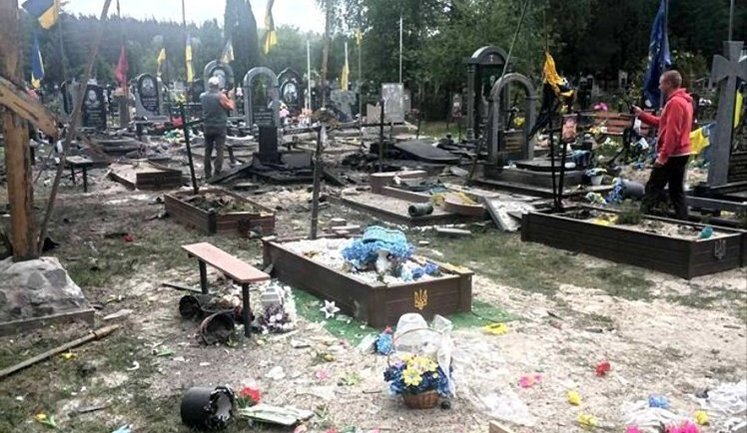
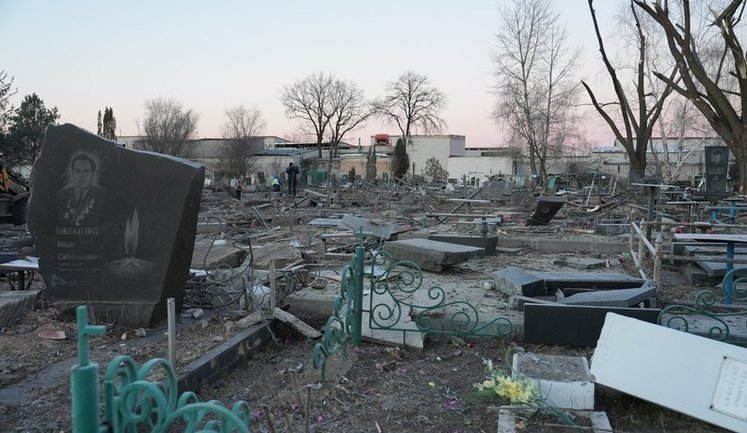
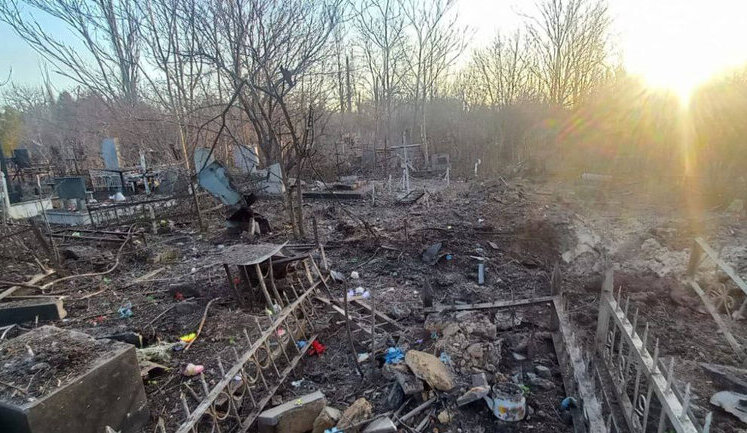
Recent events in Ukraine have underscored the increasing tension surrounding cemeteries, often targeted during conflicts. On Christmas Eve, Cherkasy's city cemetery was the latest victim of missile strikes, damaging more than 20 graves and the Alley of Heroes. This follows a series of attacks, including a drone assault in Odesa that destroyed approximately 30 graves in the Tayirovske cemetery. Such incidents illustrate the broader strategy of targeting symbolic and sensitive sites, reflecting the conflict's personal and communal impacts. As cemeteries become conflict zones, these acts of aggression deepen societal wounds and create enduring scars in the collective memory. The repeated targeting of cemeteries signifies a troubling trend that demands international attention and intervention.
How many graves were damaged in the recent Cherkasy attack?
The recent missile strike on Cherkasy resulted in damage to more than 20 graves. The attack specifically targeted a significant and sensitive location, the Alley of Heroes within the city cemetery, underscoring the personal and communal impact such assaults carry. Each of these attacks further erodes the fabric of community remembrance and respect for the deceased during the ongoing conflict.
What other Ukrainian cities faced cemetery attacks?
In addition to Cherkasy, several Ukrainian cities have reported attacks on cemeteries. Odesa experienced a drone strike that damaged the Novomiske cemetery, while Kharkiv saw an airstrike impact its cemetery in Tsyrkuny. These incidents exemplify a disturbing pattern in which cemeteries become targets, reflecting broader conflict tactics.
Why are cemeteries targeted in the Ukraine conflict?
Cemeteries in Ukraine are targeted for their symbolic significance, serving both as places of mourning and historical memory. By striking these locations, aggressors aim to inflict psychological damage, disrupt communal peace, and challenge cultural heritage. Such attacks aggravate the conflict's emotional toll and extend its impacts beyond immediate physical destruction.
What was the impact of the attack on the Odesa cemetery?
The drone attack on the Odesa cemetery resulted in the destruction of approximately 30 graves. This incident is part of a pattern where strategic, symbolic sites are deliberately targeted, exemplifying the conflict's extension into personal, sacred spaces. Such targeting adds layers of distress for communities already dealing with war's harsh realities.
Are there any responses to these cemetery attacks?
The ongoing assault on cemeteries in Ukraine has drawn condemnation from local authorities and international observers. Efforts are underway to document and publicize these attacks, aiming to highlight their egregious nature and galvanize support for stronger protective measures against such cultural and emotional violence. However, effective preventative measures remain challenging amid ongoing conflict.