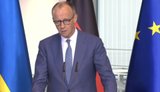
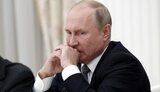
The topic of capitulation in the context of the Ukraine-Russia conflict reveals significant political dynamics. German Chancellor Merz highlighted that Ukraine's surrender would effectively mean the surrender of all its allies, underscoring the geopolitical stakes. EU representative Kallas noted that US proposals for Ukraine's capitulation on Putin's terms have been thwarted by European support, maintaining Ukraine's sovereignty. Meanwhile, US President Trump emphasized no dealings with Iran unless there is unconditional surrender, showcasing a firm diplomatic stance. Polish Foreign Minister Sikorski warned of Putin's true intent to defeat, not negotiate peace, marking a key concern for European stability. These discussions reflect a broader narrative where Ukraine's defiance against capitulation symbolizes a larger struggle against authoritarian aggression, influencing diplomatic relationships worldwide.
What are the geopolitical implications of Ukraine capitulating?
If Ukraine capitulated, it would likely embolden Russian aggression and destabilize European security. It represents a significant shift in global alliances, potentially leading to reduced support for countries resisting authoritarian pressures. Such an event could alter the power balance in Europe, forcing NATO and the EU to reassess their defense strategies and political stances.
How has Europe prevented Ukraine's surrender to Russia?
Europe has played a pivotal role in preventing Ukraine's surrender by providing political, military, and economic support. This united front has strengthened Ukraine’s resolve and deterred Russian expansionist efforts. European nations, through NATO and the EU, have shown solidarity with Ukraine, ensuring it maintains its territorial integrity and sovereignty.
Why does the US push for Ukraine's capitulation?
The US push for Ukraine's capitulation, as noted by EU representative Kallas, may arise from a desire to quickly resolve the conflict. However, such a resolution could compromise Ukrainian sovereignty and set a dangerous precedent of yielding to aggressive demands, undermining long-term peace efforts in the region.
What is the stance of Ukraine regarding peace with Russia?
Ukraine maintains a firm stance on peace that does not involve capitulation or territorial concessions. Ukrainian officials, including President Zelenskyy, have emphasized the importance of sovereignty and territorial integrity, rejecting Russian ultimatums and focusing on strategies that ensure a just and lasting peace without compromising national interests.
What does Donald Trump mean by 'unconditional surrender' for Iran?
Donald Trump's insistence on 'unconditional surrender' from Iran suggests a non-negotiable stance demanding total compliance with US terms before engaging in diplomatic talks or agreements. This approach aims to eliminate any capabilities of Iran that might threaten US or allied interests, ensuring regional stability according to US strategic goals.