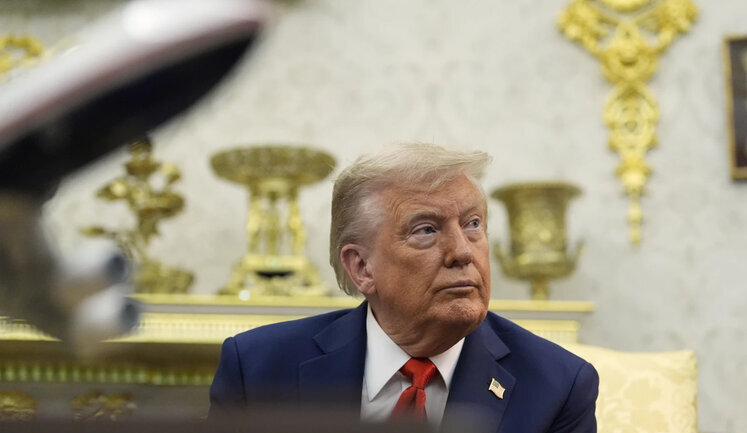
The ongoing US sanctions on Russia have dynamically influenced global politics and economic interactions. Recently, a Ukrainian delegation in Washington stressed addressing "gaps" in sanctions targeting Russia's military prowess. Meanwhile, the US Treasury momentarily lifted sanctions on Russian oil for 30 days, triggering deliberations over their strategic implications. This sanction reprieve enabled Russia to amass approximately $2 billion, illustrating significant economic reverberations. Concurrently, US officials reaffirmed their stance by extending the ban on Russian ships accessing US ports and reinstating sanctions post temporary reliefs. These oscillations reflect Washington's strategic calculations balancing geopolitics and economic impacts, while key global actors keep a vigilant eye on developments.
What are the reasons behind the US sanctions on Russia?
The US has imposed sanctions on Russia to pressure Moscow into serious peace negotiations over its aggression in Ukraine. These sanctions are intended to weaken Russia's military capacity and affect its economic lifeline, especially via the energy sector. The sanctions also aim to uphold international norms and deter any potential transgressions by restricting financial flows and access to critical global infrastructure.
How have US sanctions affected Russia's economy?
The US sanctions have substantially impacted Russia's economy, notably by reducing its revenue from oil exports, which is a significant component of its economic structure. Sanctions have led Russia to lose billions in potential monthly revenues, affecting its budget and economic stability. The restrictions hinder Russian companies' ability to trade internationally, access financial markets, and engage with global partners effectively.
In what ways have US sanctions been temporarily lifted?
The US has occasionally lifted sanctions on specific sectors or entities, such as a recent 30-day permit for purchasing Russian oil by sea. These temporary easements often arise from broader geopolitical considerations, like addressing global oil shortages or fostering negotiation incentives. Despite these mitigating actions, they do not reflect a long-term shift in US policy.
Why has the US reversed sanction relief on Russian oil?
The reversal often results from strategic shifts or changes in situational demands, such as Russia's perceived commitment to peace negotiations or geopolitical tensions. Despite temporary easing, the strategic calculus driving the US policy aims to apply maximum pressure on Russia's economic stability and military capabilities, discouraging any further aggression.
What repercussions do other countries face due to US sanctions on Russia?
Countries relying on Russian energy, like Hungary or China, face challenges in securing alternative suppliers to meet energy needs. The US sanctions affect these nations' economic ties with Russia, altering trade balances and potentially increasing energy costs. Countries maneuver within these constraints, seeking ways to mitigate adverse impacts while adhering to international sanctions regimes.
How does the US decide on sanction extensions or reinstatements?
US decisions on sanction policies are driven by ongoing assessments of geopolitical dynamics, Russia's compliance with international demands, and strategic interests in global stability. These decisions often involve consultations with international allies and domestic strategic advisories to fine-tune the impact and efficiency of the sanctions in achieving their intended goals.
What is the impact of US sanctions on global oil prices?
The US sanctions, particularly those affecting Russia’s oil sector, have significant effects on global oil prices by altering supply dynamics. A decrease in Russian oil availability in global markets can lead to increased oil prices, which in turn affects global inflation rates and energy policy decisions across various economies dependent on oil imports.
What future actions might the US take regarding sanctions on Russia?
Future actions likely depend on Russia’s behavior and international diplomatic engagements. The US may impose additional sanctions should Russia prolong its military operations in Ukraine or breach international agreements. Conversely, a demonstrable commitment by Russia towards resolving conflicts peacefully may lead to a reevaluation of existing sanctions to foster cooperation and stabilization.
How are US sanctions influencing geopolitical alliances?
US sanctions reinforce alliances with countries advocating a rules-based international order, acting as a collective pressure mechanism on Russia. They compel nations to align economically and politically with US directives, sometimes straining relations with countries interested in Russian energy, who must balance their economic interests with international diplomatic expectations.