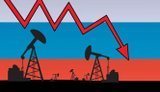
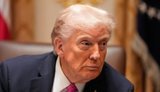
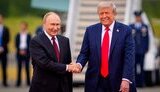
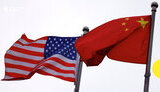
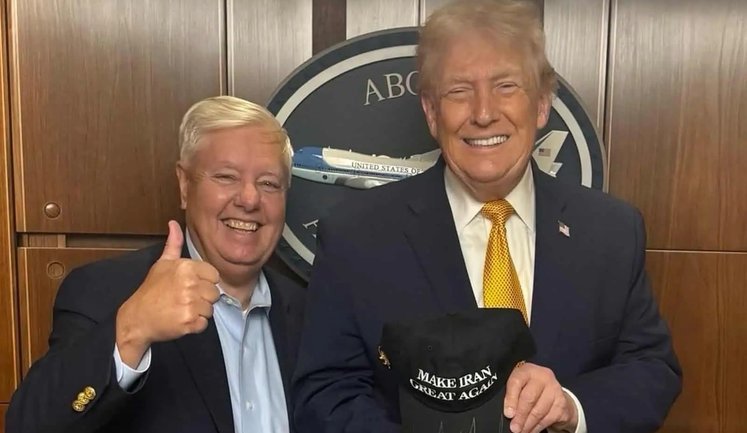
US sanctions against Russia in 2025 continue to be a significant geopolitical factor. The intention of sanctions is to pressure Russia into a peace process with Ukraine. President Trump has imposed, and in some cases, withheld sanctions to maintain potential dialogue with Russia, despite criticism. Notably, Russian oil imports to India have plummeted due to US sanctions, and China has sought ways to circumvent these measures by establishing a "shadow fleet" for LNG importation. Senator Lindsey Graham is advancing a sanctions bill to further pressure any nations buying Russian oil and gas, aiming to weaken Russia's economic stability. The sanctions, though welcomed strategically by Ukraine, have stirred contention with other nations, such as Hungary seeking exemptions and China expressing legal opposition. Bipartisan support in the US Congress suggests potential for escalated sanctions should Russia reject peace efforts.
How significant are US sanctions on Russia's economy?
US sanctions significantly impact Russia's economy, targeting sectors like oil and gas crucial to national revenue. Restrictions lead to decreased exports, notably to India and China, straining Russia's energy market. With the US imposing harsh measures, Russia could face economic slowdowns, potentially losing billions monthly.
Why has the US maintained sanctions despite diplomatic talks?
The US maintains sanctions on Russia as a strategic tool to encourage compliance with international peace efforts concerning Ukraine. The US aims to ensure Moscow seeks a diplomatic solution, using sanctions as leverage to maintain pressure on Russia's economic interests.
What has been China's reaction to the US sanctions against Russia?
China opposes the US-led sanctions, claiming they lack international legal basis. Despite this, Chinese entities strive to circumvent sanctions, like utilizing a "shadow fleet" to sustain LNG imports from Russia, demonstrating China's need to balance its economic reliance against geopolitical stances.
What impact do US sanctions have on other countries trading with Russia?
US sanctions ripple into global trade dynamics, affecting countries importing Russian oil like India. US intentions to enforce secondary tariffs on G7 partners highlight international pressure, complicating diplomatic relations and affecting nations trying to maintain energy supply chains.
Will the US increase sanctions against Russia if peace talks fail?
Yes, the US has prepared additional sanctions ready to exert more pressure if Russia fails to advance in peace talks with Ukraine. Politically, there's robust support within the US to escalate measures, which aligns with international allies advocating harsher penalties to curb Russian aggression.
How do US sanctions align with the Trump administration's foreign policy?
US sanctions align with the Trump administration's strategic aim to leverage economic pressure to influence geopolitical outcomes, like the Ukraine conflict. Although Trump expresses willingness to dialogue with Moscow, sanctions serve as a tool to ensure commitment from Russia to peace efforts.
Are there exemptions to US sanctions on Russia?
Yes, there are instances where exemptions are negotiated, like the US agreement not to extend sanctions on Russian energy supplies to Hungary. Such decisions are often politically strategic, reflecting both domestic and international diplomatic calculations by the US administration.
What future actions might the US take concerning sanctions on Russia?
The US is likely to sustain or even escalate sanctions if Russia continues its current course, particularly regarding Ukraine. The possibility of imposing new or stricter measures exists, as highlighted by Senator Graham's push for bipartisan support on legislative measures increasing pressure on Russia.