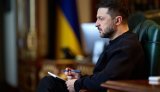
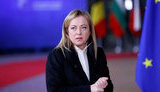
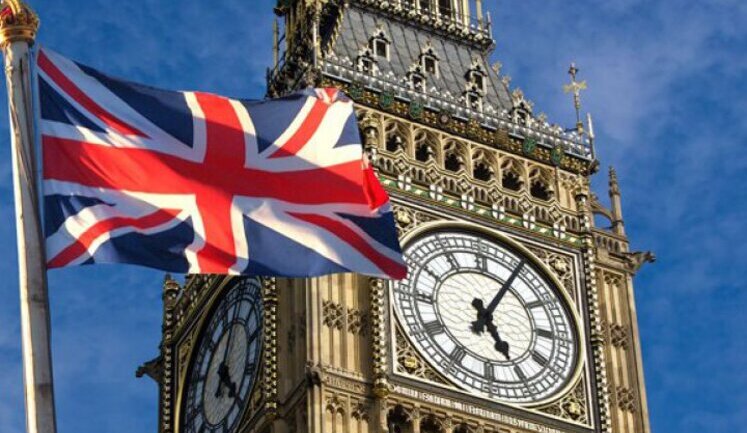
As the war in Ukraine continues into 2025, the pressing need for robust security guarantees has become a central issue for the international community. The UK plans to provide NATO-style security guarantees to Ukraine, a move integrated into the broader peace framework proposed by U.S. President Trump. Meanwhile, Slovakia has also expressed readiness to contribute to a new European security architecture. However, not all EU members are on board, with Greece declining to participate militarily. Discussions led by President Zelenskyy highlight the urgency, arguing that security guarantees must precede any formal end to the conflict. The EU continues to back Ukraine's military strengthening, viewed by many, including Germany, as essential for deterring future aggression. Prominent figures like Italian Prime Minister Meloni have advocated extending NATO's Article 5 protections to Ukraine, even without full membership. In tandem, European leaders, urged by Ukraine, explore both economic and military guarantees as an integral part of a secure and lasting peace.
What role does the UK play in providing security guarantees to Ukraine?
The United Kingdom is considering offering NATO-style security guarantees to Ukraine, which is part of a peace plan introduced by the Trump administration. This initiative aims to bolster Ukraine's security framework amid ongoing tensions with Russia. The UK's support is pivotal as it seeks to stabilize the region and support Ukraine's territorial integrity through international cooperation and security commitments.
How is Slovakia involved in security guarantees for Ukraine?
Slovakia is ready to participate in a new European security structure that would offer guarantees to Ukraine. This readiness reflects a commitment to contributing to a broader security effort in Europe, ensuring stability and peace in the region. Slovakia’s involvement underscores the collective European response to enhance Ukraine’s security amid ongoing conflict, showcasing solidarity with Ukraine's cause.
Why does Greece refuse to offer military security guarantees to Ukraine?
Greece has decided not to engage in providing military security guarantees to Ukraine. This decision stems from geopolitical considerations and its stance within the European Union's collective defense and security policies. Greece's position highlights the diversity of opinions within Europe regarding military involvement and the complexity of creating a unified security front for Ukraine.
What are the EU’s contributions to Ukraine’s security amidst current tensions?
The EU supports Ukraine's security chiefly through military aid and economic assistance. EU leaders like Macron emphasize investments in Ukraine’s military capacity, which is deemed vital for deterrence against future threats. These contributions are part of a comprehensive approach to strengthen Ukraine’s defense capabilities while integrating it further into European economic and political frameworks, promoting long-term stability and security.
What is the significance of NATO's Article 5 to Ukraine's security strategy?
Article 5 of the NATO Treaty stipulates collective defense, meaning an attack on one ally is considered an attack on all. Ukraine's strategy involves seeking similar protections without full NATO membership, as proposed by figures like Italian PM Meloni. This pragmatic approach aims to secure military assistance and political backing from NATO members, reinforcing deterrence against potential aggressors and ensuring Ukraine’s security amid ongoing conflicts.