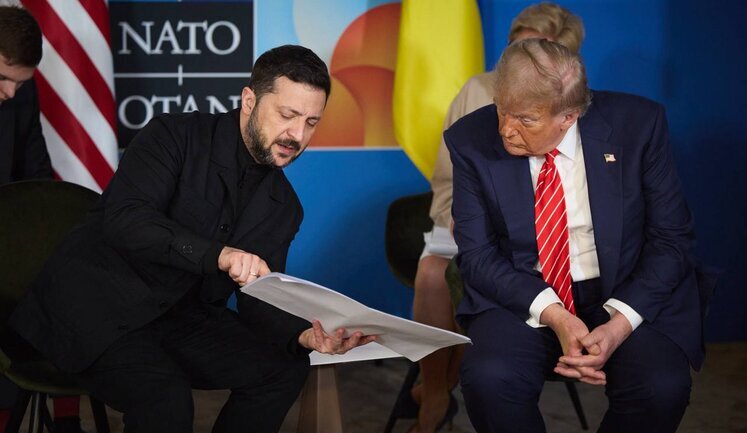
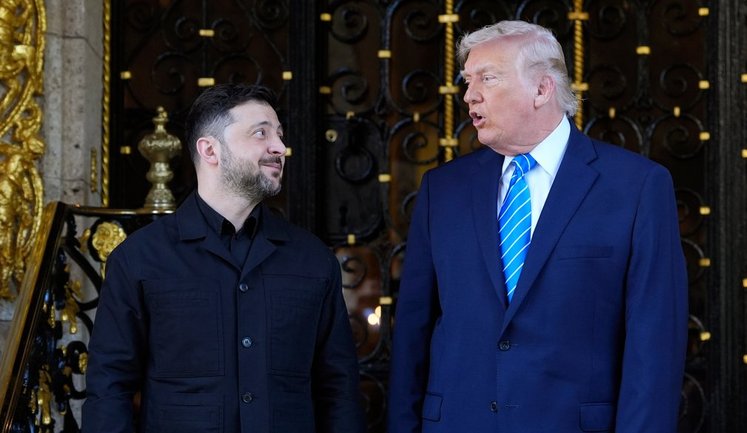
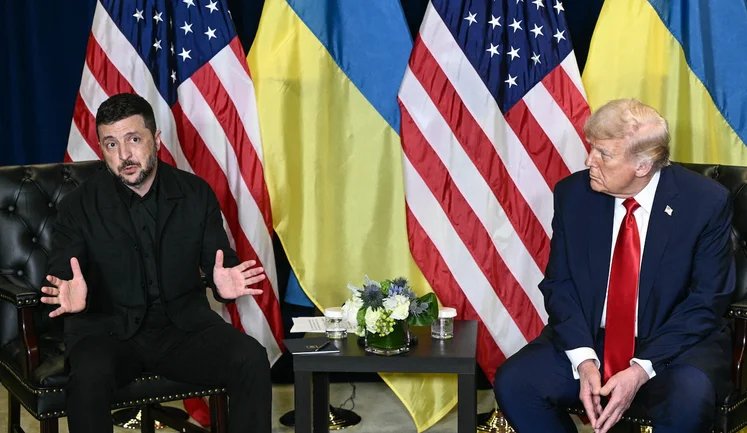
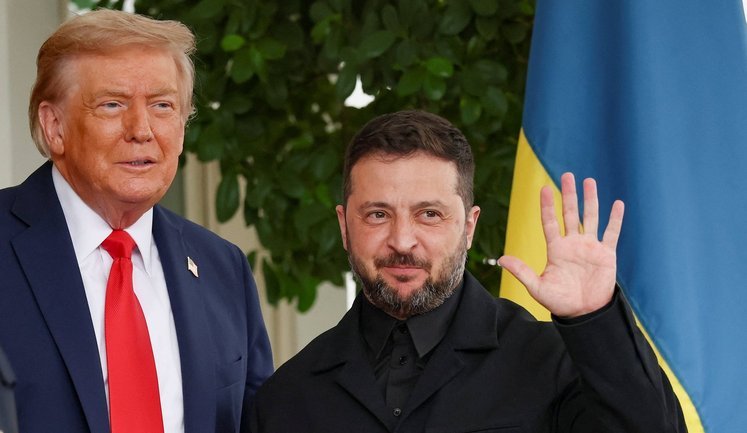
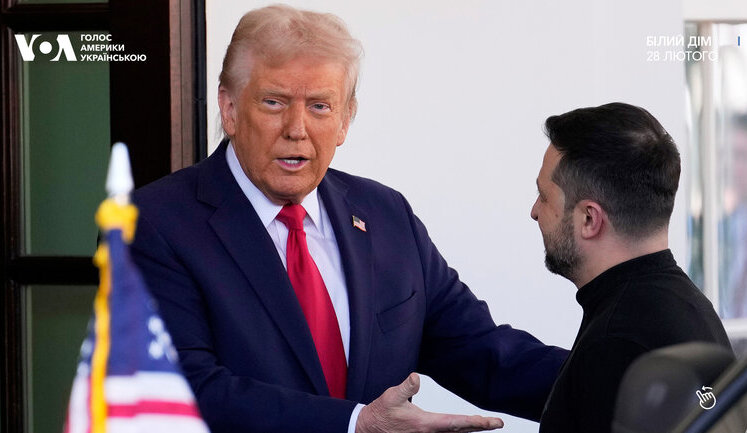
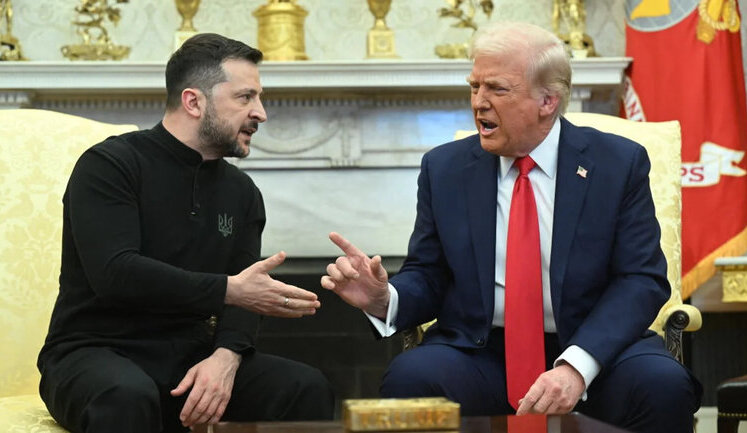
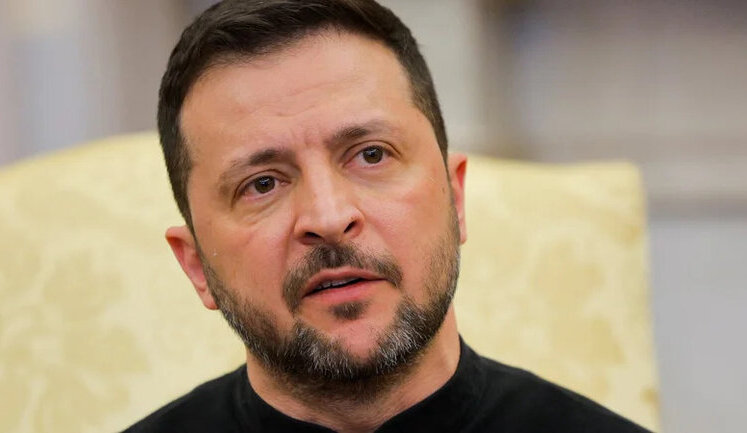
The anticipated meeting between U.S. president Donald Trump and Ukrainian leader Volodymyr Zelenskyy is set for December 28 in Mar-a-Lago, Florida. This summit signifies potential progress in peace talks aimed at resolving the ongoing conflict between Ukraine and Russia. With Ukraine's quest for European integration a focal point, European leaders have engaged in discussions to secure Ukraine's future in the EU. Trump has also hinted at potential trilateral discussions that may include Russian leader Vladimir Putin. As the global community watches, this meeting presents a critical juncture for peace and stability in Eastern Europe.
What are the main objectives of the Trump-Zelenskyy meeting?
The Trump-Zelenskyy meeting aims to address the ongoing conflict between Ukraine and Russia, focusing on finalizing a peace agreement that could potentially include discussions with Russian President Vladimir Putin. The meeting also seeks to strengthen political and economic ties between the United States and Ukraine, and explore Ukraine's potential integration into the European Union.
Why is the location of the meeting significant?
The meeting's location at Mar-a-Lago, Florida, signifies the importance of the discussion, providing a private and secure setting for high-level talks. The choice also highlights the personal connection between Donald Trump and Volodymyr Zelenskyy, underscoring the U.S.'s commitment to supporting Ukraine’s sovereignty and territorial integrity amid ongoing conflicts.
How might this meeting impact Ukraine's EU accession?
The meeting is critical for Ukraine's aspirations to join the European Union, as discussions with European leaders and U.S. support can bolster its candidacy. The outcomes of the meeting could signify a strengthening of Ukraine's geopolitical standing and an increase in international diplomatic backing for its integration into broader European frameworks.
What are the potential implications of a peace agreement discussed at the meeting?
A potential peace agreement discussed at this meeting could significantly alter the geopolitical landscape of Eastern Europe. It might lead to a cessation of hostilities between Ukraine and Russia, facilitate the withdrawal of Russian forces from disputed territories, and create pathways for reconstruction and stability in the region.
Could there be a trilateral meeting involving Putin?
The possibility of a trilateral meeting involving Russian President Vladimir Putin has been suggested during previous discussions, aiming to directly address the major issues preventing peace. Such a meeting could enhance understanding and cooperation, potentially paving the way for a comprehensive peace solution if all parties agree to conditions conducive to lasting resolution.
What did European leaders discuss with Trump and Zelenskyy?
European leaders have engaged in talks with Trump and Zelenskyy to emphasize the importance of supporting Ukraine's EU membership bid and to discuss collaborative efforts for peace in Eastern Europe. These discussions aim to align Western support and resolve geopolitical tensions that have long affected stability in the region.
How does Trump's stance on Ukraine reflect potential policy changes?
Trump's engagement with Zelenskyy showcases a commitment to diplomatic solutions in Eastern Europe. His administration's willingness to discuss peace talks and military support for Ukraine suggests potential shifts in U.S. foreign policy, emphasizing strategic alliances and conflict resolution in areas of global tension.
Why is international attention focused on this meeting?
International attention is heightened due to the meeting's potential impact on resolving the long-standing conflict between Ukraine and Russia. Successful diplomacy could initiate a pivotal shift towards peace, contributing to regional security and economic development, and redefining strategic international partnerships.
What challenges could arise from the Trump-Zelenskyy talks?
Challenges may include reconciling differing national interests, ensuring adherence to international laws, and gaining consensus on territorial integrity issues. Additionally, Trump's position might face scrutiny from domestic and international stakeholders focused on preserving democratic values and sovereignty.