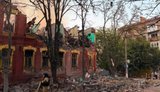
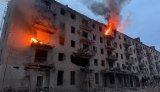
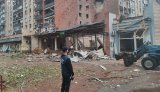
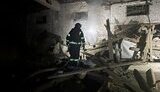
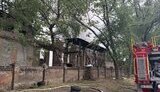
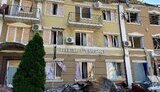
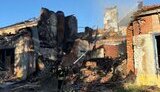
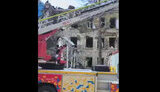
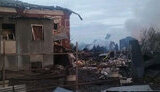
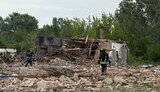
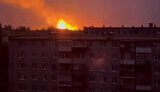
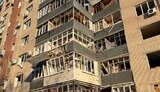
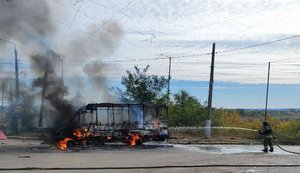
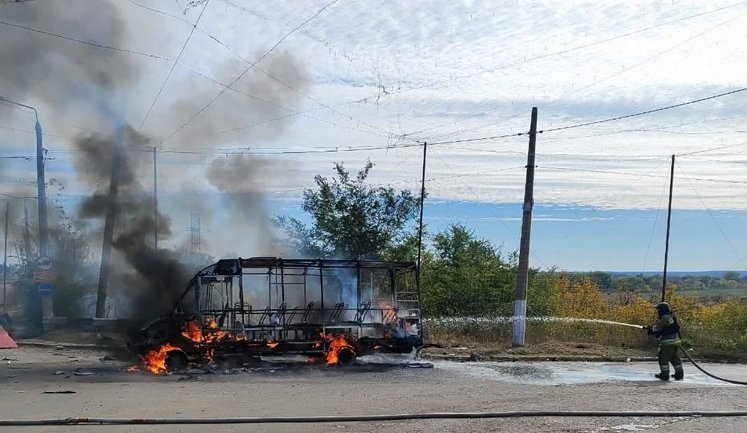
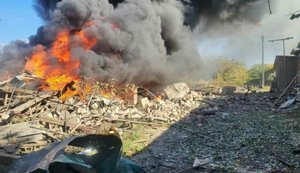
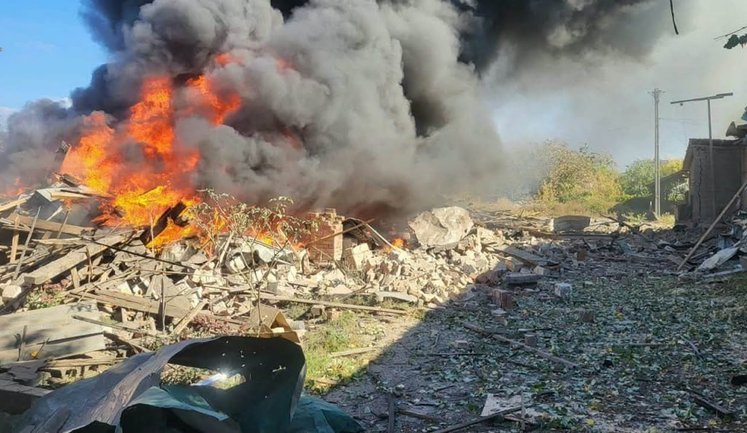
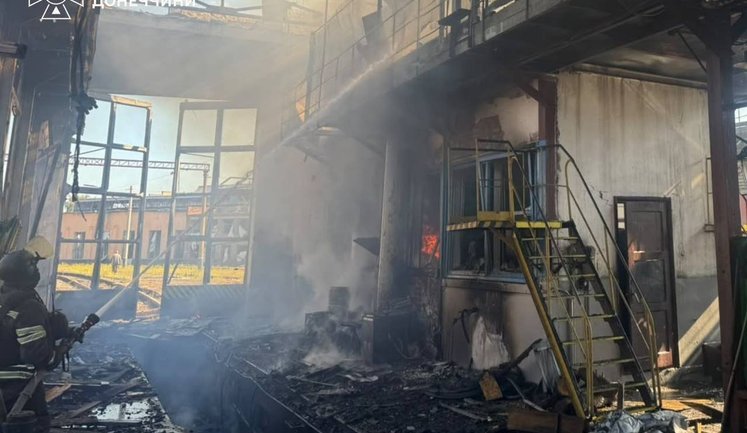
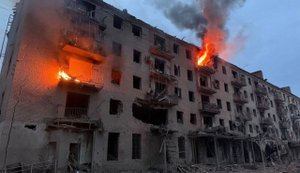
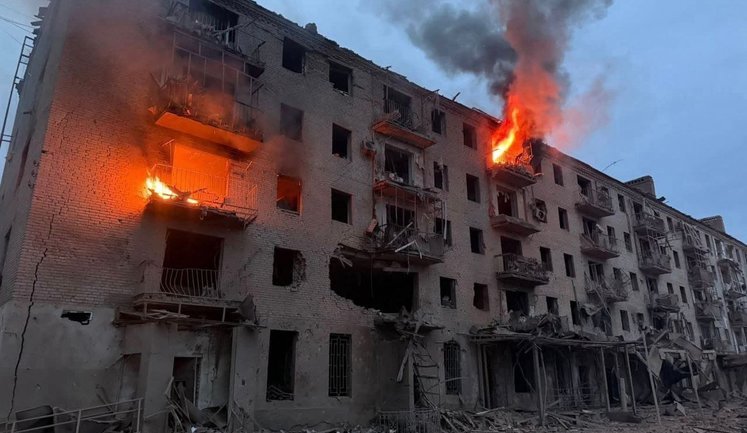
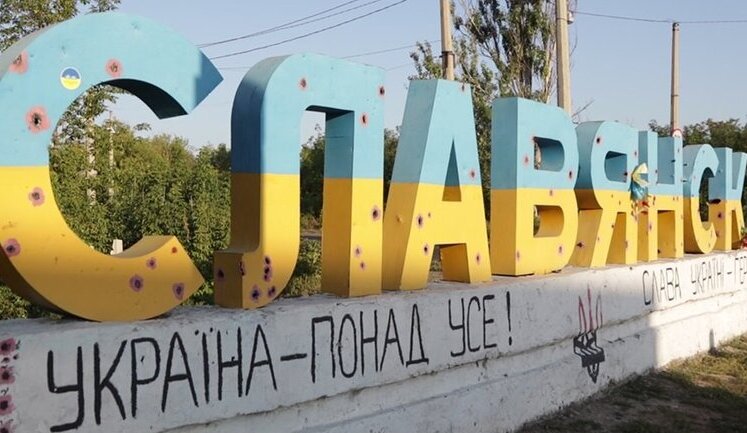
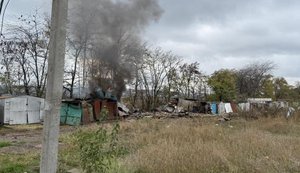
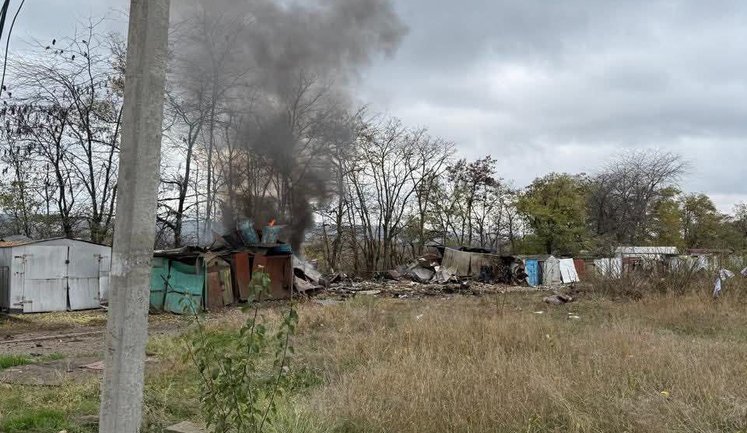
The shelling of Sloviansk, located in the Donetsk region, by Russian forces has intensified with alarming frequency. Over recent months, reports of different types of shelling, including multiple-launch rocket systems, guided aerial bombs, and drone attacks, have caused extensive damage to civilian infrastructure and tragic human casualties. The latest figures show multiple fatalities, including women and children, and numerous injuries, reflecting a severe humanitarian crisis. This continued assault on Sloviansk underscores the dire situation for civilians who face daily threats to their safety and well-being. The strategic targeting of key infrastructure and residential areas points to an attempt to destabilize life in the region. Local authorities and international observers condemn these actions, calling for urgent humanitarian aid and increased protective measures for the inhabitants of the region.
What types of weapons are being used in the shelling of Sloviansk?
The shelling of Sloviansk involves a range of weaponry, including multiple-launch rocket systems (MLRS) like Tornado-S, aerial bombs such as FAB and KAB, and different types of drones including Shahed and Geran-2. These attacks have targeted civilian areas, causing significant casualties and infrastructural damage.
What is the impact of shelling on the infrastructure of Sloviansk?
The continuous shelling of Sloviansk has extensively damaged its infrastructure. Key civilian facilities, including residential buildings, schools, hospitals, and markets, have been destroyed or significantly damaged, leading to disruption of daily life and services in the region. This destruction complicates the residents' living conditions and access to essential services.
How has the civilian population of Sloviansk been affected by the attacks?
The civilian population of Sloviansk has been gravely affected, with numerous reports of fatalities and injuries, including among women and children. The incessant attacks have led to fear, displacement, and a humanitarian crisis as basic needs like safety, health care, and shelter become increasingly difficult to meet.
What measures are being taken to protect civilians in Sloviansk?
Local authorities are working to provide shelters and essential supplies to the affected civilians. However, due to the relentless attacks, international humanitarian aid has been crucial in delivering food, medical supplies, and temporary housing. Protective measures also include local warnings and safe zones to minimize casualties during attacks.
What international response has there been to the situation in Sloviansk?
The international community has largely condemned the attacks on Sloviansk, with various governments and organizations calling for a ceasefire and peace talks. Humanitarian aid and financial assistance have been deployed to support affected populations. Additionally, efforts are underway to document war crimes and seek accountability for the shelling.