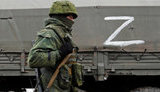
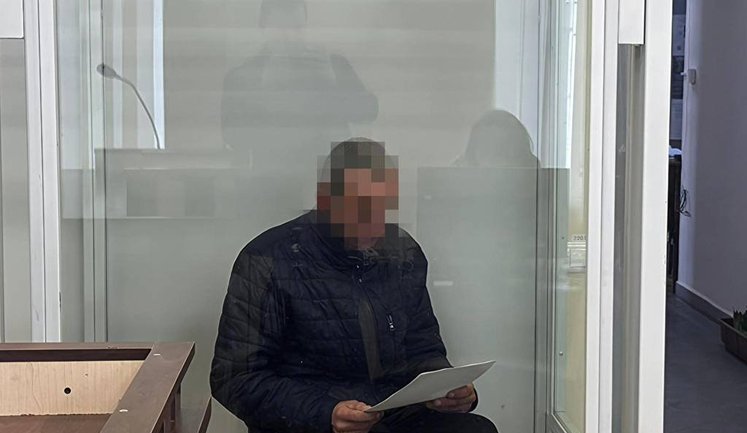
The ongoing conflict in Ukraine has unfortunately seen numerous reports of sexual violence, particularly associated with the occupying forces. Instances of civilians being raped in temporarily occupied territories have been well-documented, with victims ranging from minors to adults. High-profile cases in regions like Kyiv, Vinnytsia, and Zaporizhzhia highlight systemic sexual violence as a weapon of war used by the Russian military. Efforts by Ukrainian prosecutors and international bodies are focused on delivering justice to the victims, with several suspects facing serious charges. Addressed in multiple court cases, these heinous crimes emphasize the need for robust legal responses and international support to address war crimes effectively.
What are some documented cases of sexual violence during the Ukraine conflict?
Numerous cases have been documented, including rapes by occupying forces in Kyiv and other regions. A UN mission reported 376 cases linked to Russian aggression, reflecting a deliberate strategy of sexual violence.
How has the Ukrainian justice system responded to cases of rape during the war?
The Ukrainian justice system has been proactive in prosecuting these crimes, with several suspects identified and charged. Instances in courts involve both domestic perpetrators and foreign military offenders, emphasizing accountability.
What role do international organizations play in addressing sexual violence in Ukraine?
International bodies like the UN and human rights organizations are actively involved, offering support to investigate and document cases, ensuring that evidence of war crimes is collected and used in legal proceedings.
How has the local population been affected by sexual violence during the conflict?
Civilians have suffered greatly, with underreported cases due to stigma and fear. Many have sought medical and psychological help, highlighting a need for better support systems for victims in conflict zones.
Are there any systemic patterns observed in these crimes?
There are clear patterns suggesting that the use of sexual violence is a tactic employed by military forces, particularly by Russian troops during the occupation. This systematic approach is part of a broader strategy to exert control and intimidate populations.
What preventative measures are being taken to combat sexual violence in war zones?
Measures include improving military conduct codes, international sanctions, raising awareness, and enhancing legal frameworks to prosecute crimes effectively. There is also a push for better training for military personnel to prevent such crimes.