14083 visitors online
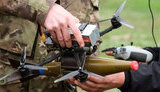
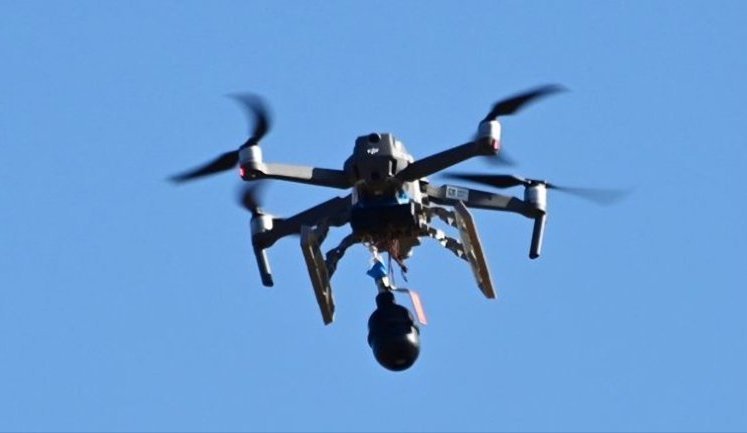
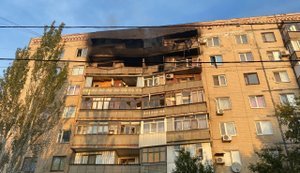
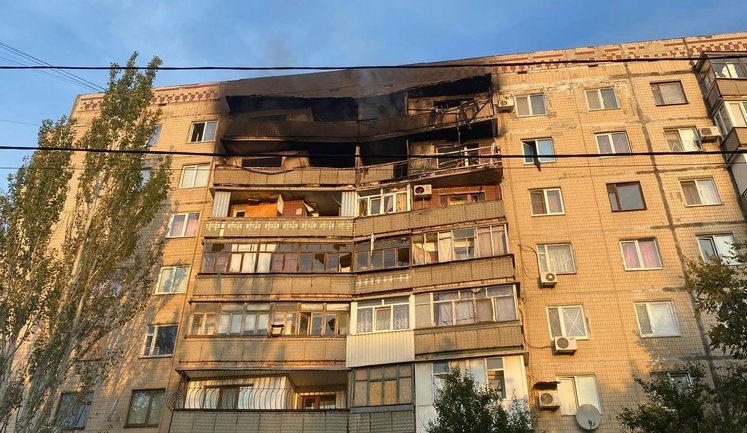
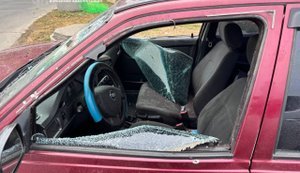
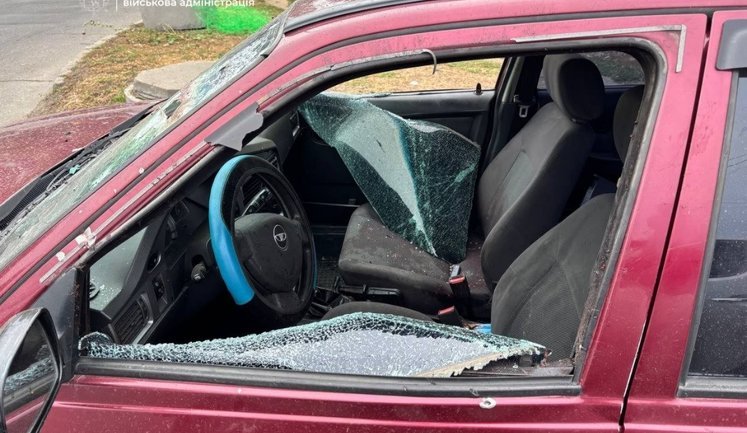
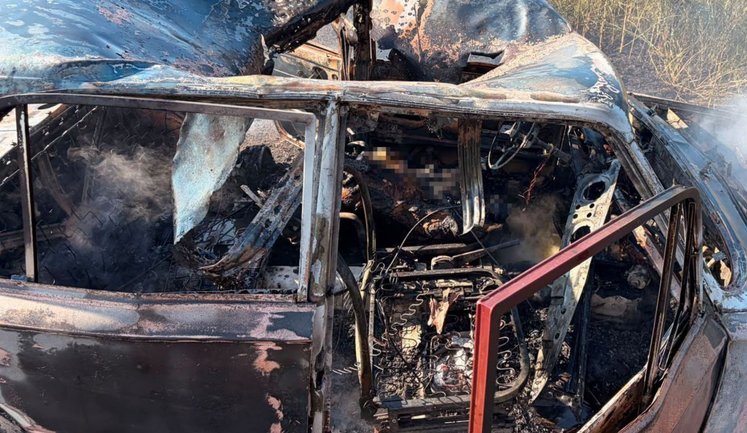
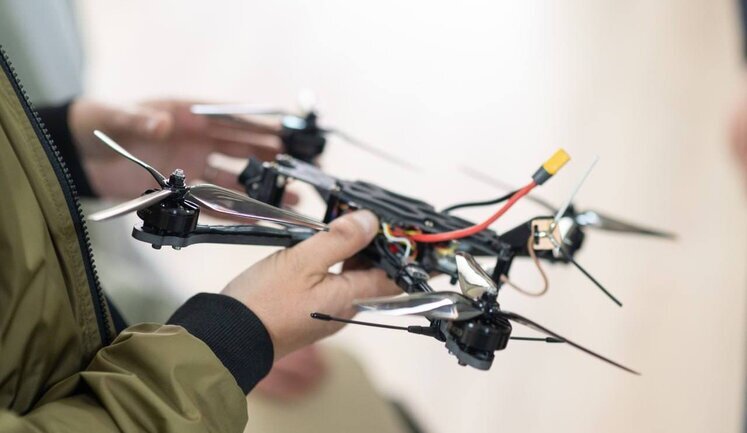
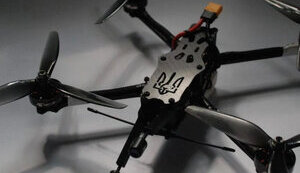
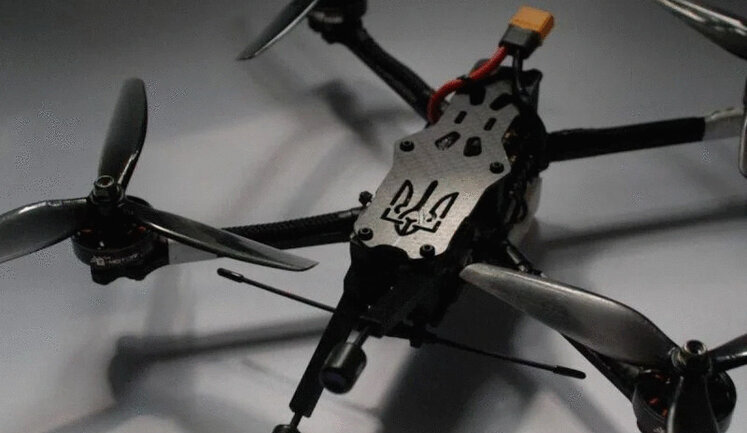
The use of FPV drones has taken center stage in Ukraine's ongoing conflict, as demonstrated by a recent tragic attack in Bilenke, where a Russian-operated drone killed one and injured several civilians. The strategic use of FPV drones highlights the increasing complexity of modern warfare. Ukrainian Defence Forces have managed to outnumber their Russian adversaries in the FPV domain by a ratio of 1.5 to 1, showing efficacy in counteracting threats. In May alone, Ukraine's drone units targeted nearly 180,000 Russian assets, illustrating the growing reliance on drone warfare. This underscores the critical nature of FPV drone technology in both offensive and defensive operations.

How have FPV drones impacted civilian safety in Ukraine?

FPV drones, while crucial for military operations, have also posed significant risks to civilians. An attack in Bilenke demonstrated the vulnerabilities faced by non-combatants, with drones causing fatalities and injuries.

What ratio do Ukrainian forces hold against Russian forces in FPV drone deployment?

The Ukrainian Defence Forces surpass Russian forces in FPV drone deployment with a ratio of 1.5 to 1, showcasing a strategic advantage and proactive stance in drone warfare.

In what ways have FPV drones been used by Ukrainian defense units?

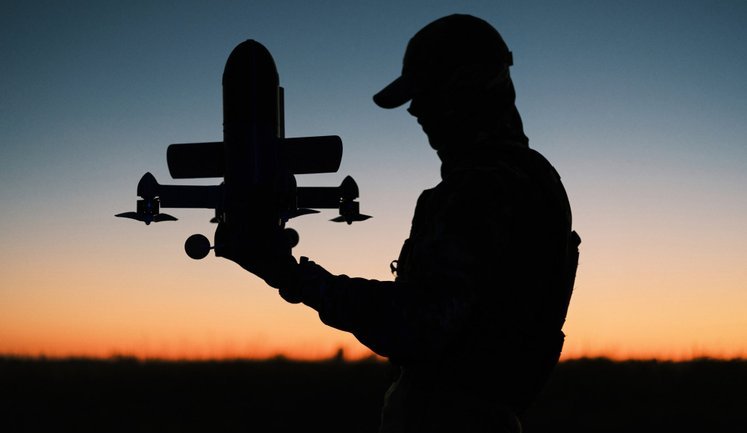
Ukrainian defense units use FPV drones to identify and strike enemy targets. In May, these drones were involved in nearly 180,000 verified strikes, demonstrating their role in tactical advancements.
What are the challenges associated with FPV drone warfare?

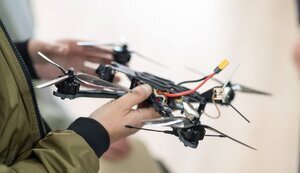
FPV drone warfare presents challenges including technological arms races, risks to civilian populations, and the need for advanced countermeasures, complicating modern conflict dynamics.
How do FPV drones influence the dynamics of modern warfare?

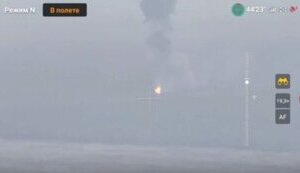
FPV drones dramatically alter modern warfare by providing reconnaissance and offensive capabilities. Their precision and adaptability make them crucial in both technological and tactical operations.
show details

Articles fpv-drone

thirteenth 21-year-old FPV pilot with call sign Thirteen: "I was afraid I wouldn’t get chance to fight" Volodymyr survived the Russian occupation, left home, and at age 19 signed a contract and joined the army. Today, he is an FPV drone pilot with the 1st RUBPAK USF of the 67th SMB’s. He chose the call sign "Thirteen" himself—not out of superstition, but as a challenge: to prove that what matters isn’t a number or a name, but what you do. 5 510 10 Previously in trend: Drone operators

SOF strike UAV company commander Dzhokhar SOF strike UAV company commander Dzhokhar: It is like fishing from distance of 40 km. You sit tight and wait for big fish to swim by A military journalist who had covered events in Donbas on television since 2014 mobilized during the full-scale invasion, despite having a solid mobilization exemption because he worked at the Office of the President of Ukraine. He now specializes, together with his unit, in cutting off the enemy army’s supply routes using FPV "sleeper" drones. He is also ready to share the experience of his Special Operations Forces unit, which has achieved an almost 100% success rate. 4 899 5 Previously in trend: War UAVs Ukrainian UAS

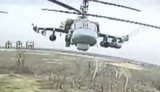
Shooting down of a Russian Ka-52 "We shot down Ka-52 helicopter, worth $16 million, with FPV drone on fibre-optic cable costing one and half thousand," – Commander of "High Altitude Predators", Condor This is the second Russian helicopter downed by pilots from the "High-Altitude Predators" unmanned systems battalion of the 59th Brigade. At the end of September last year, the same crew shot down an Mi-8. So far, this is the only crew that has been able to effectively hunt down helicopters. 6 154 6 Previously in trend: Destruction of enemy’s helicopters Drone operators

konon Mortar operator Oleh Kononchuk, call sign Konon: "I was climbing stairs to close entrance to basement when I saw FPV on fibre optic cable – it was ’staring’ right at me" Three FPVs flew in and exploded in the basement, where the 68th Brigade’s "Minotaur" mortar battery was stationed. The explosion caused the floor slabs to collapse and bury the shelter. ’I thought we were buried alive there," Oleh recalls his feelings. 11 664 16

moskaliuk Ivan Tsovta: There is virtually no demarcation. There is "kill zone" Before the full-scale invasion, Ivan Tsovta worked in the furniture textile industry: he started as a warehouse worker and later became the executive director of "Silk". Now he is a platoon commander and FPV pilot in the unmanned systems battalion of the 63rd SMB, which has been resisting the enemy in the Lyman direction for a long time. 10 085 14 Previously in trend: Hostilities in Lyman sector Drone operators

Khmuryi Call sign Khmuryi: "Fiber-optic drones are best for targeting military hardware. Or when you need to fly precisely into basement. It’s "ace up your sleeve" Vadym, an FPV pilot of the Ghost of Khortytsia UAV battalion of the 15th Karadag Rapid Response Brigade, has the call sign Khmuryi (Grim). He "inherited" it from his cousin, who served in the same brigade and passed the call sign on after he was discharged. He entered the army in 2019, signed a contract at the age of 20 and went into service. One month before the full-scale invasion, he found himself in a combat zone during a rotation as part of the Joint Forces Operation (JFO). 16 889 2

Drone operator Yeva FPV drone operator Yeva: "I don’t understand how draft dodgers can live in constant fear that someone will catch and mobilize them" When the full-scale war began, Yeva was still in school. At the age of 18, she signed a contract and set out to destroy the enemy. She has spent a year and a half in the combat zone. She serves as an FPV drone operator in the "Rubizh" Brigade. Her call sign is Yunha. She was recently concussed while heading to a frontline position. While she is undergoing treatment, we had the opportunity to speak with her and record this interview. 39 185 258 Previously in trend: Drone operators

Medic Apelsyn (Orange) "Kursk direction is characterized by very high concentration of enemy drones. This significantly complicates evacuation work," – medic with call sign Apelsyn (Orange) In this interview, Denys Chykalov talks about the evacuation of the wounded, the fight against Russian drones using fiber optics, as well as the harsh realities of life in frontline Sumy and his perspective on Donald Trump’s ’peace initiatives.’ 5 428 5 Previously in trend: Combat operations in the Kursk region

рф,дрон,росія,окупанти,fpv How local councils buy drones for military BusinessCensor found out how much and what kind of drones were purchased last year through the Prozorro electronic system. 264 0