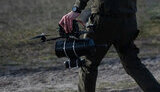
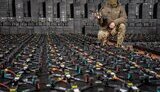
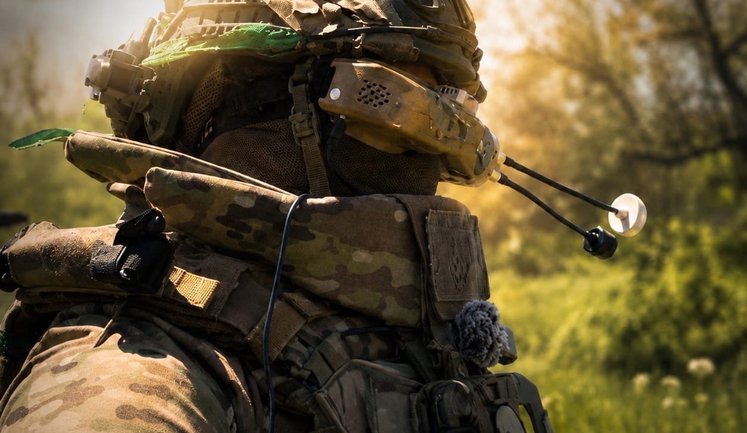
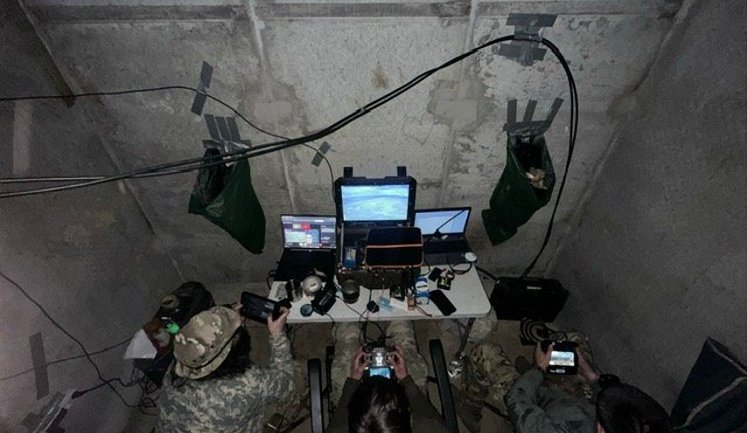
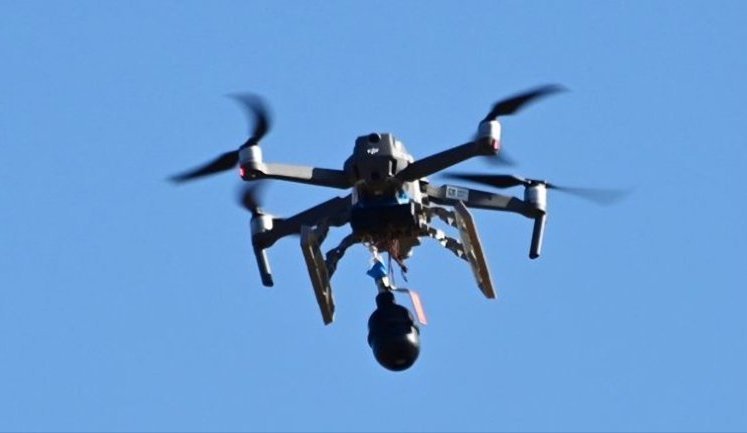
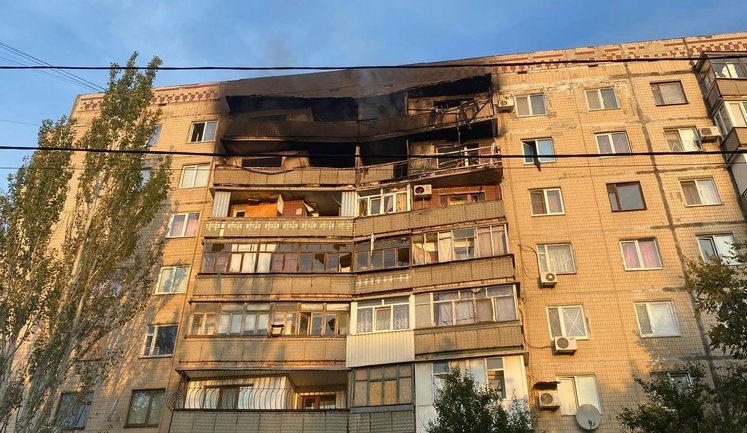
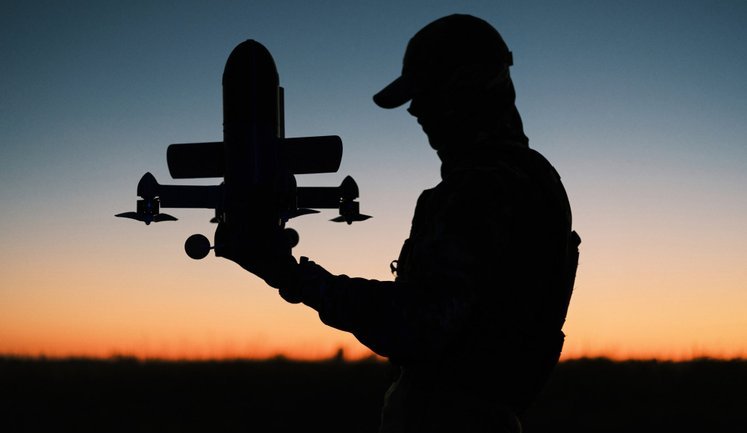
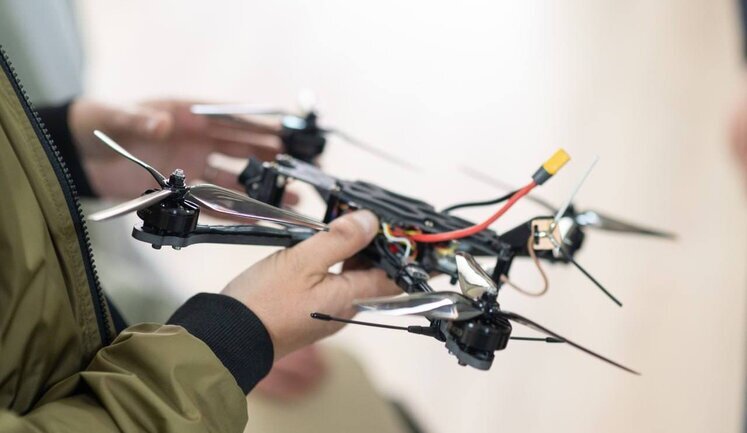
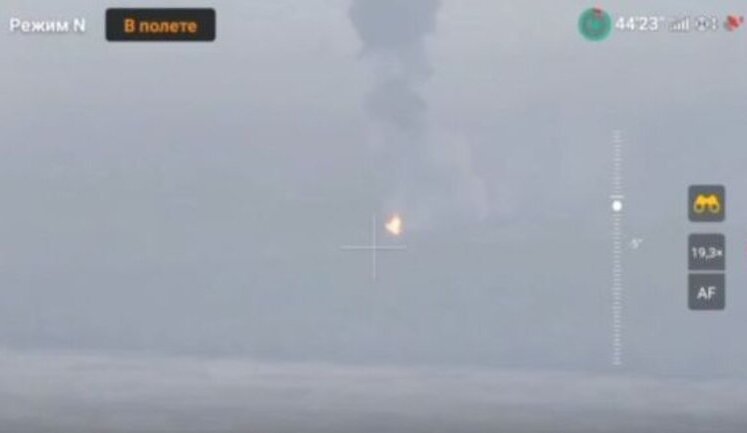
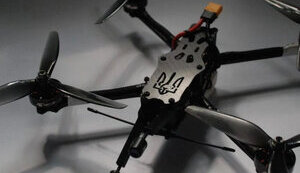
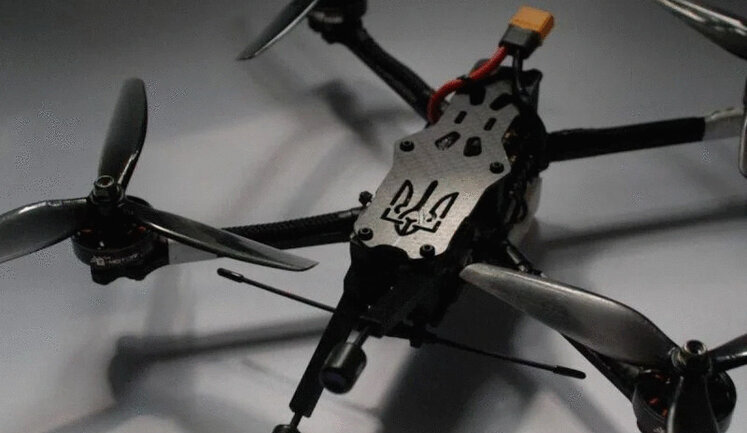
FPV drones have emerged as a crucial technology in the ongoing conflict in Ukraine. Ukrainian-Estonian developers recently secured $2.1 million to enhance drone AI, underscoring the technological race in this area. However, the humanitarian toll is severe, with Russian FPV drone strikes resulting in hundreds of civilian casualties, as reported by Ukraine's Prosecutor's Office. The use of FPV drones extends beyond combat, with innovations such as fiber-optic connectivity improving their operational range. The Ukrainian Ministry of Defense continues to expand its arsenal drastically, having announced a significant increase in drone supplies.
What is the role of FPV drones in the Ukraine conflict?
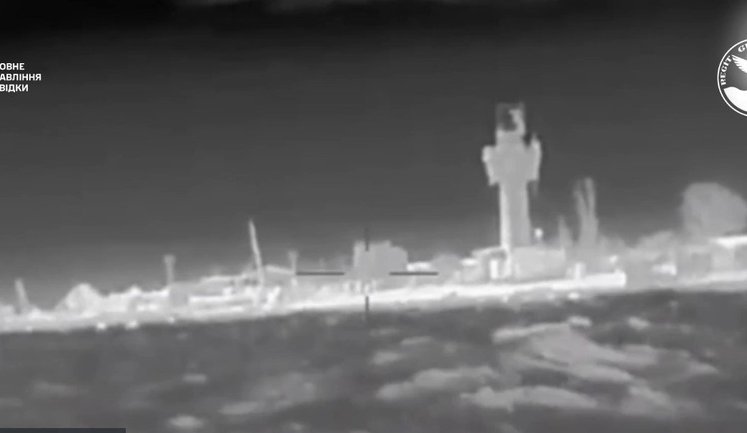
FPV drones have become a central element in the conflict, used extensively by Russian forces for attacks and surveillance. These drones are employed for both tactical military support and, unfortunately, frequent assaults on civilian targets, leading to significant casualties and injuries.
How have Ukrainian developers contributed to FPV drone technology?
Ukrainian developers, in collaboration with Estonian partners, are at the forefront of advancing FPV drone technology. They successfully raised $2.1 million to improve drone AI capabilities, illustrating Ukraine's commitment to leveraging cutting-edge technology in defense and warfare applications.
What measures are being taken against FPV drone attacks?
Ukrainian forces are actively developing countermeasures, including improved detection systems and the deployment of interceptor drones. The Defense Ministry has highlighted the outperformance of Ukrainian forces over Russian counterparts in drone engagement, reflecting strategic advancements in defense technology.
What are the humanitarian impacts of FPV drone usage in Ukraine?
FPV drone usage has dire humanitarian impacts, with numerous attacks on civilian areas resulting in nearly 7,000 affected individuals and 967 deaths. The widespread use of drones in populated areas underscores the urgent need for international attention and intervention to protect civilians.
How does the international community view the use of FPV drones in the conflict?
International scrutiny of FPV drone use in Ukraine raises significant ethical and humanitarian concerns. While technological advancements in drones could benefit defense operations, their current employment for civilian targeting by Russian forces has drawn condemnation and calls for accountability.
What advancements have been made in FPV drone connectivity and control?
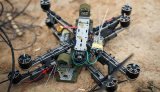
Recent advancements have seen the incorporation of fiber-optic cabling and autonomous terminal guidance systems in FPV drones, which enhance their range and precision. These technological improvements are crucial in overcoming electronic warfare defenses and expanding operational capabilities on both offensive and defensive fronts.