ENG




20039 visitors online
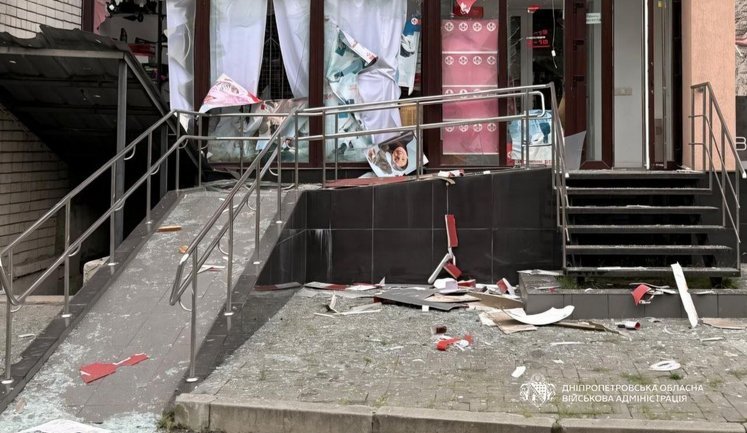
The shelling of Nikopol district by Russian forces has intensified, causing significant civilian injuries and infrastructure damage. Russian forces have employed both FPV drones and artillery to target key areas in the district, resulting in casualties, including children, and large-scale destruction. Recent strikes have focused on public transportation, residential areas, and critical infrastructure like gas pipelines and power lines. In response, local efforts have ramped up, with anti-drone units like "Yastrub" deployed to safeguard the district. However, residents of Nikopol, organized through platforms like "Prykhyst", continue to appeal to authorities for stronger defensive measures to prevent further escalations and protect lives and property.
What types of attacks are occurring in the Nikopol district?
The Nikopol district has been targeted by Russian forces using FPV drones and heavy artillery. These attacks have struck both civilian and infrastructure targets, including transportation and utility lines, causing multiple casualties and significant damage.
How have civilians been affected by the shelling in Nikopol?
Civilians in Nikopol have faced severe impacts due to the shelling. Many have been injured or displaced, with attacks damaging homes, public transportation, and essential services like gas and electricity. The ongoing conflict poses a direct threat to their safety and well-being.
What is being done to protect Nikopol from further attacks?
In response to the attacks, anti-drone units such as the "Yastrub" special police battalion have been mobilized in the district. Additionally, local organizations like "Prykhyst" are advocating for increased defensive support from the Ukrainian Armed Forces to better protect the area from future threats.
Who are the primary targets of the recent Russian attacks in Nikopol?
The primary targets have been crucial infrastructures such as gas pipelines and power lines, as well as civilian gathering places like markets and public transportation. These attacks aim to disrupt daily life and cause maximum distress to the civilian population in the region.
What has been the response from the local authorities regarding these attacks?
Local authorities in Nikopol have increased coordination with military units and emergency services to respond effectively to attacks. They are supporting the installation of defensive measures and have issued public safety guidelines to minimize casualties during incidents.
How has the international community reacted to the shelling of Nikopol district?
The international community has expressed concern over the escalation of violence in the Nikopol district. Calls for ceasefires and diplomatic resolutions have been made; however, active engagement in providing defense resources and humanitarian aid to affected regions remains critical.
What is the significance of the anti-drone unit "Yastrub" operating in Nikopol?
The "Yastrub" special police battalion's anti-drone unit plays a pivotal role in defending against aerial threats like FPV drones. By intercepting and neutralizing drone attacks, they aim to protect civilians and infrastructure, thereby reducing potential casualties and damage.
w117_header_alt Shelling of the Nikopol district
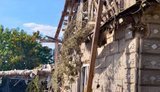 Russian forces carried out artillery strike on Nikopol: one person was killed and another man is in critical condition Today, 4 October, Russian troops launched an artillery strike on Nikopol in the Dnipropetrovsk region, resulting in one fatality. 510 3 Previously in trend: Shelling of the Nikopol district
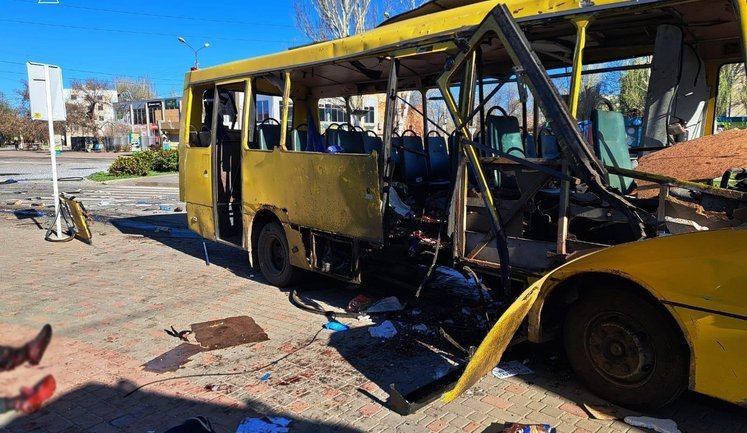
 Russian forces struck public bus in Dnipropetrovsk region: 5 dead and 7 injured. PHOTO Russian occupiers attacked a public bus in the Dnipropetrovsk region. Five people were killed. 7 706 18 Previously in trend: Shelling of the Nikopol district Shelling of the Dnipropetrovsk region
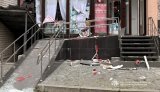 Five people injured in Russian attack on Nikopol: two of the injured are in a serious condition. PHOTOS Today, 27 August, Russian troops launched an artillery attack on the centre of Nikopol, resulting in casualties. 503 0 Previously in trend: Shelling of the Nikopol district
 Russians struck people in Nikopol with FPV drone: three dead. PHOTO Russian occupiers attacked civilians in Nikopol, Dnipropetrovsk region, using an FPV drone. 4 010 10 Previously in trend: Shelling of the Nikopol district Shelling of the Dnipropetrovsk region
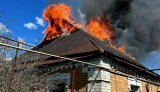 Enemy attacks Nikopol district with drones and artillery: man killed On 27 April, Russian forces carried out about 20 attacks on Nikopol district in Dnipropetrovsk region using drones and artillery. 748 1 Previously in trend: Shelling of the Nikopol district
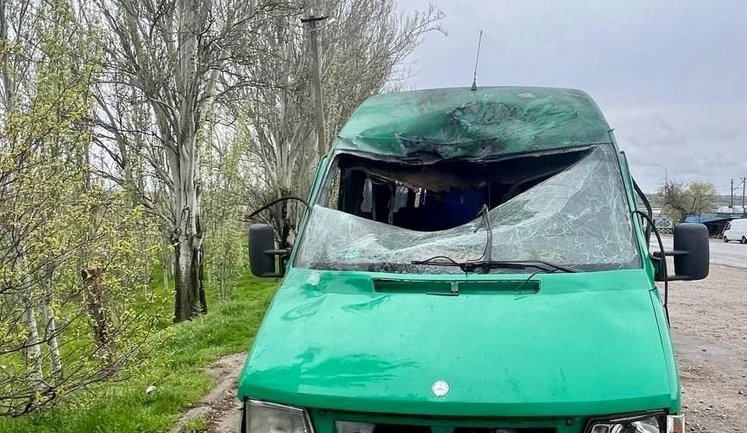
 Enemy strikes minibus in Nikopol district with drone: 4 people injured, including child. PHOTO Today, 18 April 2026, Russian forces struck a passenger minibus in the Pokrovske community in the Nikopol district with an FPV drone. 1 273 2 Previously in trend: Shelling of the Nikopol district
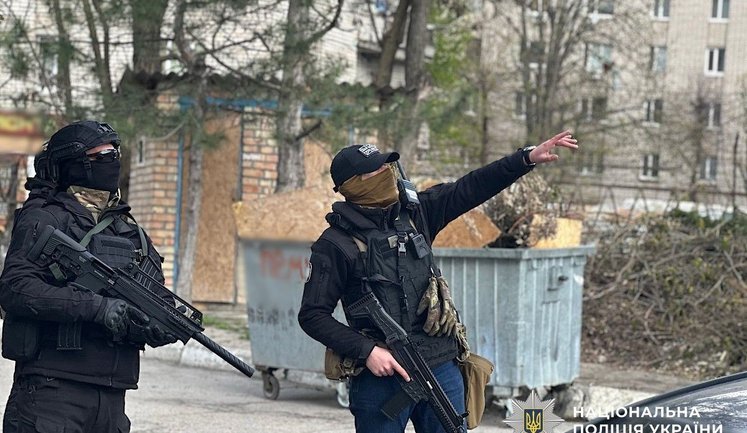
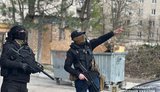 Anti-drone police unit called "Yastrub" has begun operating in Nikopol and across district. VIDEO+PHOTOS A combined anti-drone unit from the "Yastrub" special police battalion has begun operations in Nikopol and the surrounding district. 2 855 23 Previously in trend: Shelling of the Nikopol district Anti-drone protection
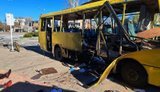 Nikopol residents appeal to AFU Commander-in-Chief to strengthen defense of Nikopol The Nikopol-based public organization "Prykhyst", which brings together residents of the city and the Nikopol district, has issued an open appeal to Commander-in-Chief of the Armed Forces of Ukraine Oleksandr Syrskyi, calling for strengthened defense of Nikopol and the Nikopol district. 1 760 15 Previously in trend: Shelling of the Nikopol district
Names of those killed in Russian strike on bus in centre of Nikopol released. PHOTO The names of all four people who died when a Russian drone struck a passenger bus in the centre of Nikopol have been released. 5 185 10 Previously in trend: Shelling of the Nikopol district Civilian casualties in Ukraine
 Russian forces have again attacked coach in Nikopol district: 5 people injured Russian occupiers have once again attacked a passenger bus in the Nikopol district of the Dnipropetrovsk region. 955 1 Previously in trend: Shelling of the Nikopol district
 One year-and-a-half-old child and two men were injured: Russia struck Nikopol with artillery Russian occupiers fired artillery at Nikopol, injuring three people, including a child. 728 3 Previously in trend: Shelling of the Nikopol district Shelling of the Dnipropetrovsk region
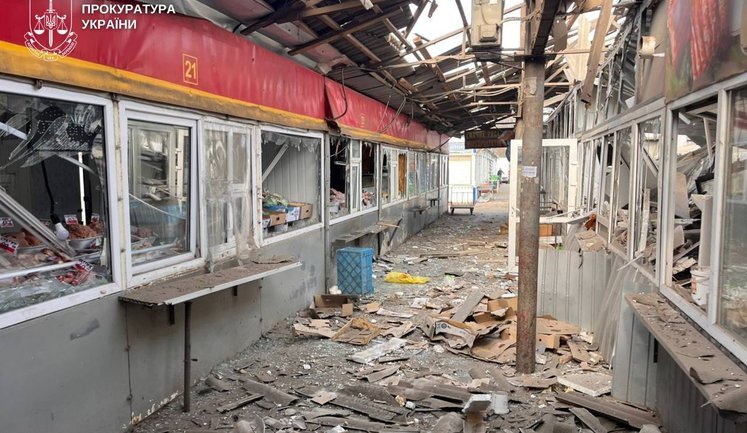
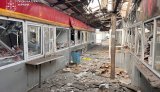 Enemy attacked Nikopol with FPV drones: 5 people were killed and number of injured has risen to 25 (updated). PHOTO At around 9.50 am on 4 April, Russian invaders launched an attack on Nikopol using FPV drones. The enemy targeted the local market. 6 053 35 Previously in trend: Shelling of the Nikopol district Shelling of the Dnipropetrovsk region
 Russian forces struck Nikopol with FPV drone: three people injured. PHOTOS Russian occupiers attacked Nikopol in the Dnipropetrovsk region using an FPV drone. 702 0 Previously in trend: Shelling of the Nikopol district Shelling of the Dnipropetrovsk region
 FPV drone attacks Nikopol: 11 people injured, including child. PHOTO Russian forces attacked Nikopol with an FPV drone. Eleven people were injured in the strike, including a child. Some of the victims were hospitalised, and two are in serious condition. 1 279 2 Previously in trend: Shelling of the Nikopol district
 Russians attacked Nikopol with artillery: three wounded. PHOTO Today, 22 February, Russian troops fired artillery at Nikopol in the Dnipropetrovsk region, resulting in injuries. 638 1 Previously in trend: Shelling of the Nikopol district
 Enemy shelled Nikopol with heavy artillery: houses and a gas pipeline were damaged. PHOTOS Around midnight, Russians struck Nikopol in the Dnipropetrovsk region with heavy artillery. An apartment building and a gas pipeline were damaged. 748 0 Previously in trend: Shelling of the Nikopol district
 As result of enemy attacks on Nikopol district, woman injured; homes, enterprise, agricultural firm, power lines and gas pipeline damaged. PHOTOS Throughout the day, Russian troops carried out strikes, and besides the Kryvyi Rih area and Dnipro, hit settlements in the Nikopol district of Dnipropetrovsk Oblast, leaving one person injured and damage reported. 569 0 Previously in trend: Shelling of the Nikopol district
 Ruscists hit Nikopol with artillery, killing two women and injuring six. PHOTOS Two women were killed as a result of the Russian shelling of Nikopol. 1 337 4 Previously in trend: Shelling of the Nikopol district Shelling of the Dnipropetrovsk region
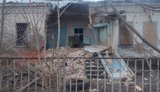 14 people were injured as result of enemy attacks on Nikopol, and 10 people were injured in Dnipro. PHOTOS Throughout the day on 7 January, Russian troops continued to shell settlements in the Dnipropetrovsk region, resulting in deaths and injuries. 888 5 Previously in trend: Shelling of the Nikopol district Shelling of the Dnipropetrovsk region
 Enemy struck Nikopol with heavy artillery: there is damage. PHOTO On the night of 24 December, the enemy again shelled Nikopol in the Dnipropetrovsk region with heavy artillery. 768 0 Previously in trend: Shelling of the Nikopol district
 Two people were injured as result of Russian attacks on Nikopol district. PHOTOS Today, 10 December, Russian troops struck settlements in the Nikopol district of the Dnipropetrovsk region, resulting in casualties and destruction. 418 0 Previously in trend: Shelling of the Nikopol district
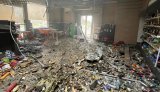 Russians attack Nikopol district: homes, sports and education facilities, filling stations and power lines damaged. PHOTOS Throughout 5 December, Russian forces continued to terrorise communities in the Nikopol district of Dnipropetrovsk region, with damage reported. 605 1 Previously in trend: Shelling of the Nikopol district
 Two people, including a 10-year-old girl, injured in Russian attack on Nikopol. PHOTOS Today, 3 December, two people, including a child, were injured in Nikopol, Dnipropetrovsk region as a result of Russian attacks. 716 2 Previously in trend: Shelling of the Nikopol district
 Ruscists shell Nikopol with artillery: 2 people killed, damage reported. PHOTOS Two people were killed in Nikopol, Dnipropetrovsk region, after the city came under enemy artillery fire. 656 0 Previously in trend: Shelling of the Nikopol district
 Enemy shelling of Dnipropetrovsk region: five wounded in Nikopol district, one man killed in Synelnykove district. PHOTOS Throughout the day on 15 November, Russian troops struck settlements in the Nikopol and Synelnykove districts of the Dnipropetrovsk Oblast, resulting in one fatality and several injuries. 605 1 Previously in trend: Shelling of the Nikopol district Shelling of the Dnipropetrovsk region
 Five people were injured as result of Russian strike on Nikopol, one man is in serious condition. PHOTOS Today, 15 November, Russian troops struck Nikopol in the Dnipropetrovsk region with an FPV drone, resulting in injuries. 737 0 Previously in trend: Shelling of the Nikopol district
 Enemy attacked Nikopol region with artillery and FPV drones: library and residential buildings were damaged. PHOTOS Russian troops have again shelled settlements in the Nikopol district. Nikopol, Marhanets, and Pokrovske districts came under fire. 565 0 Previously in trend: Shelling of the Nikopol district
 Russians shelled territory of State Emergency Service unit in Nikopol: rescuer wounded. PHOTOS Russian troops carried out a targeted shelling of the territory of the Nikopol rescue unit in the Dnipropetrovsk region, injuring a 33-year-old rescuer. 629 0 Previously in trend: Shelling of the Nikopol district
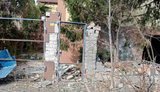 Over 30 attacks in one day: enemy shells Nikopol district, damaging private houses and power lines. PHOTOS On October 6, Russian forces shelled the city of Nikopol and the Nikopol district in Dnipropetrovsk region using various types of weapons. 676 0 Previously in trend: Shelling of the Nikopol district
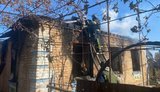 One person was killed and two were injured as result of Russian shelling in Dnipropetrovsk region, - RMA. PHOTOS Russians fired more than forty times at the Dnipropetrovsk region during the day. 527 0 Previously in trend: Shelling of the Nikopol district Shelling of the Dnipropetrovsk region
 Ruscists struck house in Nikopol with FPV drone: woman killed, fire broke out. PHOTOS Russian occupiers attacked a residential building in Nikopol, Dnipropetrovsk region, with an FPV drone, killing a woman. 780 1 Previously in trend: Shelling of the Nikopol district Shelling of the Dnipropetrovsk region
 Two people were injured as result of Russian shelling in Dnipropetrovsk region, - RMA. PHOTOS During the day on 21 September, the occupiers attacked 4 districts of the Dnipropetrovsk region. 793 0 Previously in trend: Shelling of the Nikopol district Shelling of the Dnipropetrovsk region
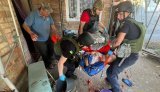 Three people were injured as result of shelling in Nikopol, - RMA. PHOTOS On 15 September, during the day, the Russian army attacked two districts of the Dnipropetrovsk region. 511 0 Previously in trend: Shelling of the Nikopol district Shelling of the Dnipropetrovsk region
 One person was injured as result of Russian shelling in Dnipropetrovsk region, - RMA. PHOTOS On 14 September, the Nikopol and Synelnykove districts of the Dnipropetrovsk region suffered from enemy shelling. 700 0 Previously in trend: Shelling of the Nikopol district Shelling of the Dnipropetrovsk region
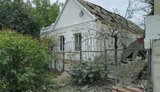 Drones, artillery and KABs: occupiers continue to strike Dnipropetrovsk region – RMA. PHOTOS On 9 September, Russian troops attacked settlements in the Nikopol and Synelnykove districts of the Dnipropetrovsk region with drones, artillery and KABs. 669 0 Previously in trend: Shelling of the Nikopol district Shelling of the Dnipropetrovsk region
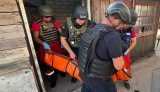 Two people were injured as result of Russian shelling in Dnipropetrovsk region, - RMA. PHOTOS On 8 September, Russian troops attacked settlements in the Dnipropetrovsk region with artillery and drones. 539 1 Previously in trend: Shelling of the Nikopol district Shelling of the Dnipropetrovsk region
 Man was killed as result of enemy shelling of Nikopol. PHOTOS Today, on 3 September, Russian troops shelled Nikopol with artillery, killing a man. 782 2 Previously in trend: Shelling of the Nikopol district
 Russians launch over 30 attacks on Nikopol district during day – RMA. PHOTOS On September 2, the aggressor carried out more than 30 attacks on Nikopol district using FPV drones and artillery. 477 0 Previously in trend: Shelling of the Nikopol district Shelling of the Dnipropetrovsk region
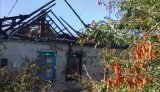 Five people were injured as result of Russian strikes on Dnipropetrovsk region, - RMA. PHOTOS During the day, the enemy attacked Dnipropetrovsk region with various types of weapons, 5 people were injured. 686 0 Previously in trend: Shelling of the Nikopol district Shelling of the Dnipropetrovsk region
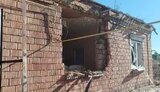 Two people injured in Russian attacks on Nikopol district. PHOTOS Throughout the day on August 27, Russian forces continued striking the Nikopol district of Dnipropetrovsk region, leaving people injured. 385 2 Previously in trend: Shelling of the Nikopol district
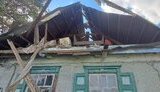 Russians attacked Dnipropetrovsk region almost 40 times during day, according to regional military administration. PHOTOS On 25 August, the enemy carried out almost 40 attacks on settlements in the Dnipropetrovsk region. 627 0 Previously in trend: Shelling of the Nikopol district Shelling of the Dnipropetrovsk region
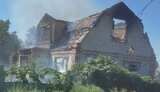 One person killed as result of Russian strikes in Dnipropetrovsk region - RMA On August 20, Russian troops attacked the Nikopol and Synelnykove districts of the Dnipropetrovsk region. 580 1 Previously in trend: Shelling of the Nikopol district Shelling of the Dnipropetrovsk region
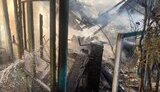 As result of enemy attacks, houses, enterprise, gas pipelines and power lines were damaged in Nikopol district. PHOTOS During the day on 19 August, Russian troops continued to attack the Nikopol district of the Dnipropetrovsk region, using drones and artillery. 606 1 Previously in trend: Shelling of the Nikopol district
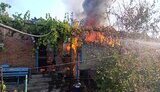 Russians attacked Dnipropetrovsk region with artillery and UAVs, damaging houses and enterprise. PHOTOS On 18 August, Russian troops attacked the Nikopol and Synelnykove districts of the Dnipropetrovsk region. 763 0 Previously in trend: Shelling of the Nikopol district Shelling of the Dnipropetrovsk region
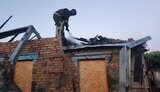 Occupiers shelled Nikopol district once again: fire broke out. Multi-storey building and car were damaged. PHOTO On the night of Wednesday, 13 August, Russian troops terrorised the Nikopol district of the Dnipropetrovsk region. Nikopol and the Pokrov district were under attack. 609 0 Previously in trend: Shelling of the Nikopol district
 Russians strike Nikopol with artillery, three killed (updated) On the evening of August 6, Russian forces carried out an artillery strike on Nikopol. 1 047 2 Previously in trend: Shelling of the Nikopol district
 Russian attack on Nikopol district damages homes, agricultural firm, lyceum, and gas pipeline. PHOTOS Throughout the day on August 1, Russian forces attacked the Nikopol district of Dnipropetrovsk region with artillery and UAVs, causing destruction. 650 0 Previously in trend: Shelling of the Nikopol district
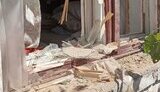 Russians attacked Nikopol district over ten times: houses, gas pipeline, and power lines damaged. PHOTOS On July 31, Nikopol district in Dnipropetrovsk region experienced about ten enemy attacks. The aggressor used FPV drones and artillery. 544 0 Previously in trend: Shelling of the Nikopol district
Page 1 of 3
more news