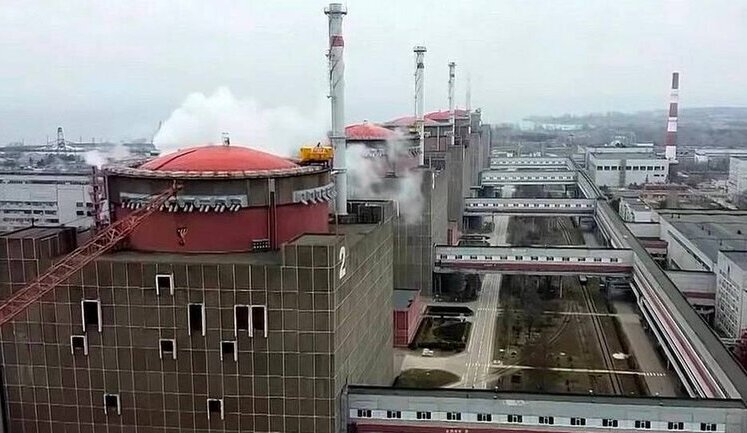
The International Atomic Energy Agency (IAEA) has intensified its monitoring activities in Ukraine due to heightened safety risks related to ongoing military conflict. Recent developments include shelling incidents at the Zaporizhzhia Thermal Power Plant that threaten its operations, potentially affecting power stability at the nearby Zaporizhzhia Nuclear Power Plant. Additionally, extensive damage has been reported to key infrastructure, including turbine halls and laboratory equipment at the Russian-occupied Zaporizhzhia NPP, underlining the crucial need for IAEA intervention. In parallel, the IAEA has raised alarms over increased UAV flights near nuclear facilities across Ukraine, underscoring the delicate situation surrounding nuclear safety during such turbulent times.
Why does the IAEA express concerns about Ukraine's nuclear facilities?
The IAEA expresses concerns due to ongoing military actions causing damage to critical infrastructure, disrupt communications, and increase the potential for nuclear incidents. The heightened risk of logistical and security challenges around nuclear plants due to nearby military activity poses serious threats to nuclear safety.
What specific damage has the IAEA reported at the Zaporizhzhia Nuclear Power Plant?
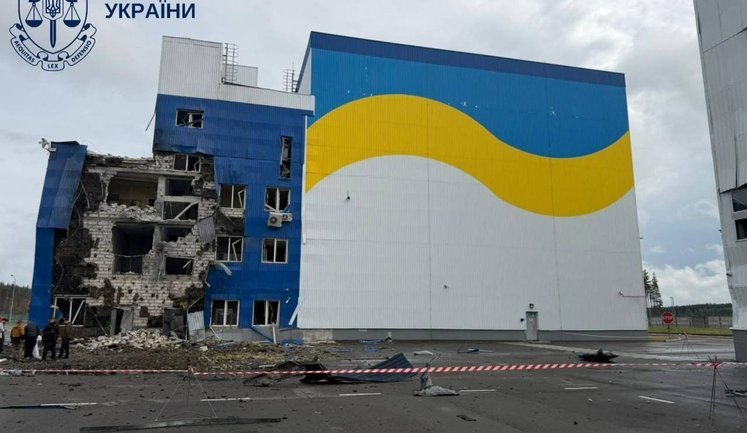
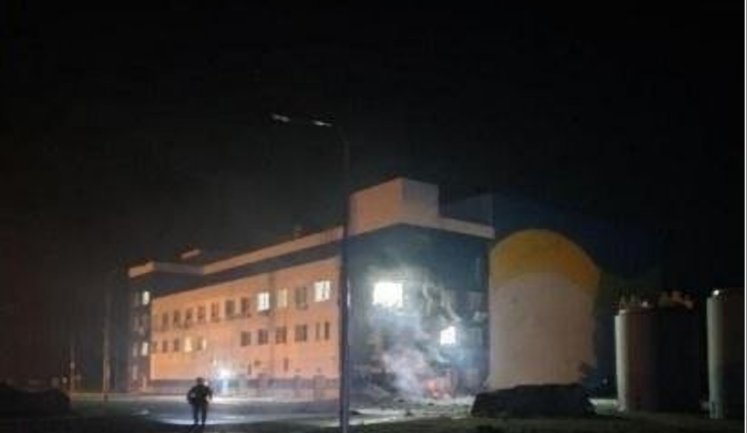
The IAEA has documented damage to external structures, such as the turbine hall building, due to shelling incidents and drone strikes. These damages compromise the facility's safety and operational capabilities, raising concerns over maintaining essential functions and avoiding further nuclear safety risks.
How is the situation at the Zaporizhzhia NPP managed by the IAEA and related authorities?
The IAEA is coordinating with Ukrainian authorities to maintain oversight and increase inspections at the site. Efforts include regular monitoring, facilitating repairs and restorations via negotiated ceasefires, and advocating for controlled access to international safety experts to prevent further deterioration of nuclear safety and security protocols.
What actions have been taken to address the communications outages at Zaporizhzhia NPP?
The IAEA and related authorities have been addressing communication outages by seeking to restore communication lines and ensuring that the disruption does not result in the loss of essential control and monitoring capabilities, thereby preventing unforeseen incidents that could exacerbate safety risks at the occupied sites.
Has there been any evidence of increased radiation levels at the Zaporizhzhia site?
According to the assessments from the IAEA, no increase in radiation levels has been detected at the Zaporizhzhia site, even amidst the reported damage. Regular monitoring continues to ensure ongoing evaluation of the radiation levels and necessary safety protocols are in place to mitigate potential radiation risks.
What diplomatic efforts are underway to address the nuclear safety challenges in Ukraine?
The IAEA, in collaboration with international partners and Ukrainian authorities, is engaged in diplomatic negotiations to ensure continued peaceful operations at nuclear sites. This involves promoting ceasefires for safe repairs, negotiating access for IAEA inspectors, and exploring agreements that prevent further exacerbations of safety risks under the current geopolitical climate.