ENG




8706 visitors online
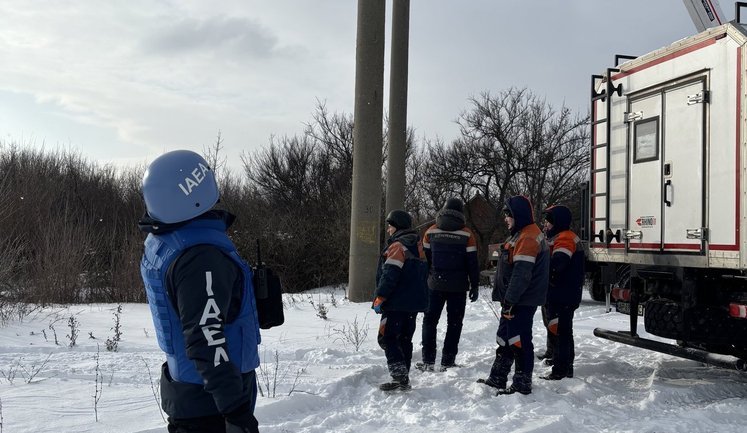
The International Atomic Energy Agency (IAEA) has intensified its monitoring activities in Ukraine due to heightened safety risks related to ongoing military conflict. Recent developments include shelling incidents at the Zaporizhzhia Thermal Power Plant that threaten its operations, potentially affecting power stability at the nearby Zaporizhzhia Nuclear Power Plant. Additionally, extensive damage has been reported to key infrastructure, including turbine halls and laboratory equipment at the Russian-occupied Zaporizhzhia NPP, underlining the crucial need for IAEA intervention. In parallel, the IAEA has raised alarms over increased UAV flights near nuclear facilities across Ukraine, underscoring the delicate situation surrounding nuclear safety during such turbulent times.
Why does the IAEA express concerns about Ukraine's nuclear facilities?
The IAEA expresses concerns due to ongoing military actions causing damage to critical infrastructure, disrupt communications, and increase the potential for nuclear incidents. The heightened risk of logistical and security challenges around nuclear plants due to nearby military activity poses serious threats to nuclear safety.
What specific damage has the IAEA reported at the Zaporizhzhia Nuclear Power Plant?
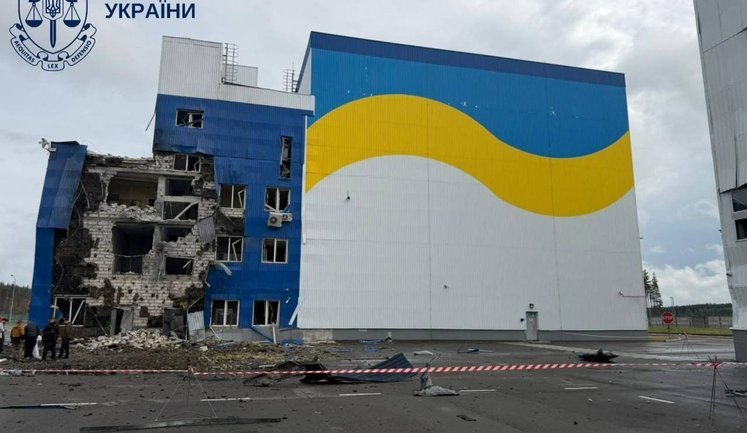
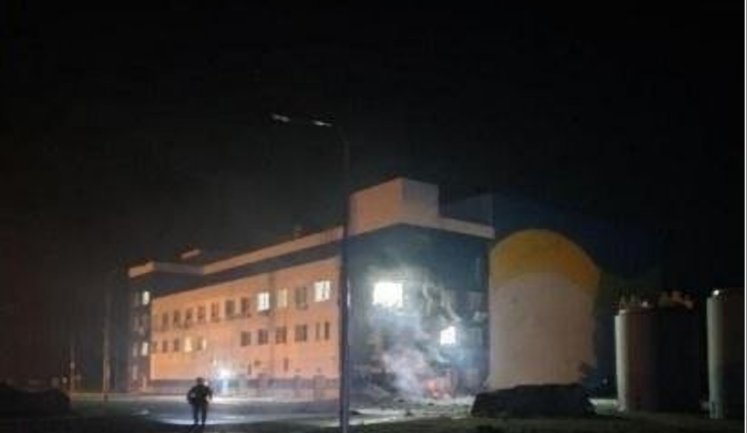
The IAEA has documented damage to external structures, such as the turbine hall building, due to shelling incidents and drone strikes. These damages compromise the facility's safety and operational capabilities, raising concerns over maintaining essential functions and avoiding further nuclear safety risks.
How is the situation at the Zaporizhzhia NPP managed by the IAEA and related authorities?
The IAEA is coordinating with Ukrainian authorities to maintain oversight and increase inspections at the site. Efforts include regular monitoring, facilitating repairs and restorations via negotiated ceasefires, and advocating for controlled access to international safety experts to prevent further deterioration of nuclear safety and security protocols.
What actions have been taken to address the communications outages at Zaporizhzhia NPP?
The IAEA and related authorities have been addressing communication outages by seeking to restore communication lines and ensuring that the disruption does not result in the loss of essential control and monitoring capabilities, thereby preventing unforeseen incidents that could exacerbate safety risks at the occupied sites.
Has there been any evidence of increased radiation levels at the Zaporizhzhia site?
According to the assessments from the IAEA, no increase in radiation levels has been detected at the Zaporizhzhia site, even amidst the reported damage. Regular monitoring continues to ensure ongoing evaluation of the radiation levels and necessary safety protocols are in place to mitigate potential radiation risks.
What diplomatic efforts are underway to address the nuclear safety challenges in Ukraine?
The IAEA, in collaboration with international partners and Ukrainian authorities, is engaged in diplomatic negotiations to ensure continued peaceful operations at nuclear sites. This involves promoting ceasefires for safe repairs, negotiating access for IAEA inspectors, and exploring agreements that prevent further exacerbations of safety risks under the current geopolitical climate.
TOP news IAEA
 IAEA did not detect signs of mining at ZNPP, - Grossi The IAEA is closely monitoring the situation at the Zaporizhzhia NPP. The last inspection revealed no signs of mining. 12 207 136 Previously in trend: Russian aggression against Ukraine War
 Iran to continue enriching uranium despite US and Israeli demands, - UN envoy Iran does not intend to shut down its uranium enrichment programmes despite the demands of the United States and Israel. 7 999 125 Previously in trend: Iran nuclear programme
Russia refuses to support UN resolution on IAEA because of Crimea stance Russia did not support the UN General Assembly's resolution in support of the International Atomic Energy Agency (IAEA) because Crimean nuclear facilities were defined as part of Ukraine in the final report. 36 381 97
 Occupiers tried to convince IAEA that shells of Armed Forces of Ukraine were spinning in air to hit ZNPP. VIDEO The Russian occupiers tried to convince the IAEA experts that Ukrainian missiles were turning in the air to hit the Zaporizhzhia nuclear power plant. In this way, they tried to explain why the shells do not come from the territory under the control of the Armed Forces. 26 888 95
 Russian strikes threaten nuclear safety: all Ukrainian nuclear power plants have suspended operations, - Grossi Ukraine's nuclear power plants were forced to suspend electricity production on the morning of February 7 after a massive Russian attack. 4 010 82 Previously in trend: Nuclear safety Massive combined attack
 Zaporizhzhia NPP seized by Russia "is completely out of control", IAEA The situation at the Zaporizhzhya NPP seized by Russia is becoming more serious every day. 21 093 71 Previously in trend: War
 Russia attacked substations supplying Khmelnytskyi and Rivne nuclear power plants. Ukraine calls for urgent convening of IAEA Council - Sybiha On the night of 8 November, Russia struck substations that supply electricity to the Khmelnytskyi and Rivne nuclear power plants. 10 737 69 Previously in trend: Attacks on the energy sector Massive combined attack
 Occupiers fire at Enerhodar: "F*ck! What are Muscovites doing!". VIDEO The Russian occupiers began deliberately shelling the residential quarters of captured Enerhodar. 19 246 68 Previously in trend: War
 We have not heard from IAEA main thing - appeal to Russia to demilitarize station, - Zelensky President Volodymyr Zelensky said that the IAEA did not say the main thing during the visit to the ZNPP. 16 240 68 Previously in trend: War
 Kremlin is ready to withdraw troops from Zaporizhzhia NPP in exchange for guarantees of uninterrupted transit of oil and gas through territory of Ukraine, - "Meduza" The Kremlin and the Russian government are ready for an agreement on the Zaporizhzhia nuclear power plant. 16 789 64 Previously in trend: War
 IAEA Director General Grossi warns of risk of nuclear incident at Kursk NPP The head of the International Atomic Energy Agency (IAEA), Rafael Grossi, visited the Kursk nuclear power plant in Russia as part of the Agency's mission and said that the plant was operating in a mode "very close to normal." 8 357 59
 US votes with Russia against IAEA resolution condemning attacks on Ukraine’s energy sector The Board of Governors of the International Atomic Energy Agency (IAEA) has supported a resolution condemning Russian attacks on Ukraine’s energy infrastructure as a threat to nuclear safety. The United States voted against it together with Russia, China, and Niger. 7 962 59 Previously in trend: Attacks on the energy sector
 Putin accuses AFU of attempting to attack Kursk NPP. VIDEO Russian dictator Vladimir Putin has accused the Ukrainian military of attempting to strike the Kursk nuclear power plant on the night of August 22. 14 789 58
 IAEA presented report on results of mission at ZNPP The International Atomic Energy Agency (IAEA) presented a report on the results of an inspection of the Zaporizhzhia nuclear power plant in Energodar. Since March, the object has been under the control of the Russian occupation forces, which worries not only the Ukrainian authorities, but also the world community. 21 897 56
 IAEA demands that Russia withdraw its troops from ZNPP, - resolution The Board of Governors of the International Atomic Energy Agency, which consists of representatives of 35 UN member states, on Thursday adopted a resolution demanding that Russia end its occupation of the Zaporizhzhia nuclear power plant. 6 682 48 Previously in trend: War
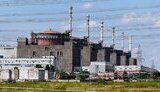 IAEA found significant damage to building of turbine hall of power unit No. 4 of Zaporizhzhia NPP The International Nuclear Energy Agency announces the discovery of damage to the building of the turbine hall of the power unit 4 of Zaporizhzhia NPP. The IAEA cannot explain what caused it, as the injuries do not correspond to previously reported incidents. 8 710 47
 UN Secretary General Guterres issued statement on ZNPP: Urgent agreement on demilitarization is needed Guterres said that it is necessary to demilitarize the territory of the nuclear plant and agree on it as soon as possible. 7 539 45 Previously in trend: War
 IAEA calls emergency meeting on US strikes on Iran On Monday, June 23, the International Atomic Energy Agency will hold an emergency meeting due to the US strikes on Iranian nuclear facilities. 3 056 45 Previously in trend: The US has struck Iran’s nuclear facilities
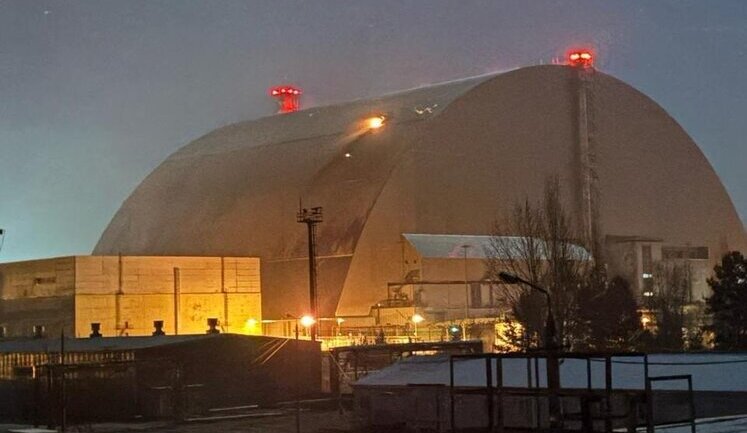
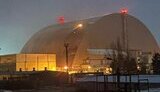 IAEA confirmed attack on Chornobyl NPP: drone hit protective sarcophagus of Unit 4. PHOTO The IAEA has confirmed a drone strike on the protective sarcophagus of the fourth unit of the Chornobyl nuclear power plant. 7 655 45
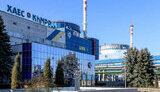 IAEA supports completion of Khmelnytskyi NPP The International Atomic Energy Agency (IAEA) supports Ukraine's desire to complete the construction of two nuclear power units at the Khmelnytskyi NPP and considers it a wise and timely decision for Ukraine. 1 726 44
We saw everything at ZNPP, we are not being manipulated, - Grossi The Director General of the International Atomic Energy Agency, Raphael Grossi, denied that the activities of the mission at the ZNPP were influenced by Russian representatives. 22 162 44 Previously in trend: War
 Russia refused to give IAEA missions special passes to travel to occupied territories The occupation authorities of the part of the Zaporizhzhia region occupied by Russian troops announced that they will not issue special passes to the participants of the IAEA mission. There they want the mission to wait in the general queue. 11 451 44 Previously in trend: War
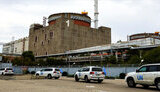 IAEA establishes permanent presence at Zaporizhzhia NPP - Grossi Director General of the International Atomic Energy Agency (IAEA) Rafael Grossi announced the establishment of a permanent presence of the agency at the Russian-occupied Zaporizhzhia nuclear power plant. 12 483 42 Previously in trend: War
IAEA mission arrived at Zaporizhzhia NPP The IAEA mission arrived at the Zaporizhzhia nuclear power plant, which is located on the territory occupied by the Russian Federation near Enerhodar. 18 188 41 Previously in trend: War
 IAEA calls on Russia to immediately de-occupy ZNPP and return plant to Ukraine’s control During its 68th session, the IAEA General Conference approved the resolution "Nuclear Safety, Security and Safeguards in Ukraine" by 65 votes. 52 member countries of the agency were co-sponsors of the document. 3 651 40
IAEA asks for admission to plant after shelling nuclear power plant: Nuclear disaster is possible The Director General of the International Atomic Energy Agency (IAEA), Rafael Grossi, after the Russians attacked the Zaporizhzhia NPP, warns of a nuclear disaster and insists on an IAEA mission to the plant. 7 795 38 Previously in trend: War
 Head of IAEA Grossi and part of mission members left Zaporizhzhia NPP, - "Energoatom" The General Director of the International Atomic Energy Agency (IAEA) Rafael Grossi has left the Zaporizhzhia NPP. 13 239 38 Previously in trend: Russian aggression against Ukraine War
 If IAEA was not at Zaporizhzhia NPP, nuclear accident could have already occurred there, - Grossi The situation at Zaporizhzhia NPP is one of the biggest challenges for the IAEA. The permanent presence of the agency's mission at the plant plays an important role in ensuring its safety. 2 073 37
 IAEA mission is already on way to Zaporizhzhia NPP, - Grossi. PHOTOS The IAEA mission to support and assist the Zaporizhzhia NPP is on the way. 9 118 36 Previously in trend: War
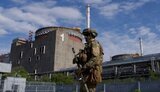 UN is ready to support IAEA mission to ZNPP with consent of Ukraine and Russia UN Secretary-General Antnio Guterres considers any attack on the nuclear power plant "suicidal" and called for international inspectors to be granted access to the Zaporizhzhia NPP. 3 956 35 Previously in trend: War
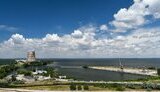 IAEA reports another shutdown of Zaporizhzhia NPP The International Atomic Energy Agency reported that the Zaporizhzhia nuclear power plant has lost contact with the last external transmission line that was in working order. 7 407 34 Previously in trend: War
 US denied visas to Rosatom members who wanted to participate in IAEA conference Russian state nuclear corporation Rosatom said that United States has effectively banned Russian representatives from participating in a conference on nuclear energy in Washington by not issuing them entry visas. 3 296 33
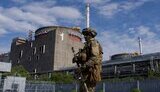 At least 3 direct hits to main shielding structures of ZNPP reactor occurred - IAEA Director General Grossi IAEA Director General Rafael Grossi said that today, 7 April, there were at least 3 direct hits to the main structures of the containment vessel of the ZNPP reactor. 16 899 33
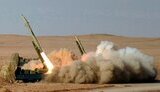 Iran’s nuclear program cannot be completely destroyed - IAEA Director General of the International Atomic Energy Agency (IAEA) Rafael Grossi said that it is impossible to completely destroy Iran's nuclear program. 2 470 32 Previously in trend: Iran nuclear programme US strikes on Iran
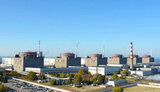 Putin may use IAEA report on ZNPP to try to launch process similar to "Minsk" - ISW Russian President Vladimir Putin may try to take advantage of the IAEA report on the situation at the ZNPP and create a process similar to the Minsk agreements. 10 854 32 Previously in trend: Russian aggression against Ukraine War
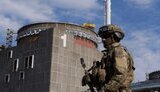 Ukraine sent letters to UN and IAEA with demand to send security mission to ZNPP The Verkhovna Rada Commissioner for Human Rights Dmytro Lubinets called on the Secretary General of the UN and the IAEA to send a security mission to the Zaporizhzhia nuclear power plant captured by the Russians. 3 336 30 Previously in trend: Russian aggression against Ukraine War
 Sybiha called on international partners and IAEA to take measures to prevent Russian strikes on nuclear power plant substations Russia plans dangerous strikes on substations that supply electricity to Ukrainian nuclear power plants. 1 809 29 Previously in trend: Attacks on the energy sector Russian strikes on NPP substations
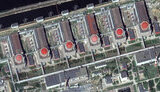 All six ZNPP units remain shut down, despite restoration of power lines - IAEA All six power units of the Zaporizhzhya nuclear power plant occupied by Russian military remain disconnected, despite the resumption of the transmission line of the VL-750 kV ZNPP " Dniprovska". 14 178 29 Previously in trend: Russian aggression against Ukraine War
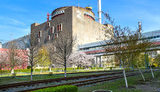 Ukraine informed IAEA about damage to Zaporizhzhia NPP due to Russian shelling on August 25-27 The attacks on the Zaporizhzhia NPP highlight the risk of a potential nuclear accident at Europe’s largest nuclear power plant. 5 308 29 Previously in trend: War
 ZNPP managed to be connected to backup power line, - Grossi (updated) For the first time in four months, the Zaporizhzhia NPP was connected to a backup power line. 5 684 27 Previously in trend: Russian aggression against Ukraine War
At UN Security Council, IAEA Director General Grossi proposes principles of nuclear safety compliance at Zaporizhzhia NPP IAEA Director General Rafael Grossi proposed five principles to UN Security Council to help ensure nuclear safety at Zaporizhzhia NPP. 3 921 27
 Zaporizhzhia Nuclear Power Plant will require "special status" if peace agreement is reached, - Grossi IAEA Director General Rafael Grossi said that the occupied Zaporizhzhia nuclear power plant would require "special status" and a cooperation agreement between Russia and Ukraine if a peace agreement is reached between the countries. 2 330 26 Previously in trend: US peace plan Russia’s occupation of ZNPP
 IAEA intends to deploy its inspectors at all Ukrainian NPPs - media The International Atomic Energy Agency (IAEA) intends to deploy its inspectors at all Ukrainian nuclear power plants during the visit of the Agency’s Chairman Rafael Grossi to Ukraine. 1 693 26
 Forced capacity reduction at Rivne and South Ukrainian NPPs - IAEA Due to renewed shelling of the energy infrastructure, the capacity of two nuclear power plants of Ukraine was reduced. 7 243 26 Previously in trend: Russian aggression against Ukraine
 Ukrainian diplomats and nuclear specialists work on sending IAEA mission to Zaporizhzhia NPP - Zelensky. VIDEO On the evening of August 17, President of Ukraine Volodymyr Zelensky made a traditional address to Ukrainians. 1 622 25 Previously in trend: Russian aggression against Ukraine War
IAEA delegation arrived in Zaporizhzhia, - mass media. VIDEO The mission of the International Atomic Energy Agency (IAEA), which is supposed to inspect the Zaporizhia NPP captured by Russian troops, has already arrived in Zaporizhzhia. 11 289 24
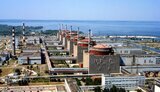 Occupiers prepare extras at Zaporizhzhia NPP to meet IAEA mission, - Intelligence Service The Russian occupants are preparing a crowd at the Zaporizhzhia NPP to meet the IAEA mission, which is due to arrive at the plant on September 1. 5 841 24 Previously in trend: War
 Israel destroys uranium enrichment centrifuges at Iran’s main nuclear plant - IAEA The centrifuges at Iran's underground uranium enrichment plant in Natanz were probably "severely damaged, if not completely destroyed" after Israeli strikes on Friday. 3 345 24 Previously in trend: Israel’s strike against Iran
Page 1 of 7
pager_more_top_news