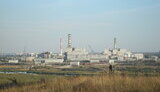
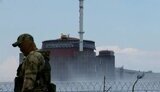
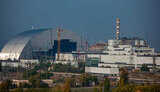
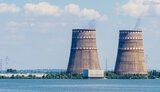
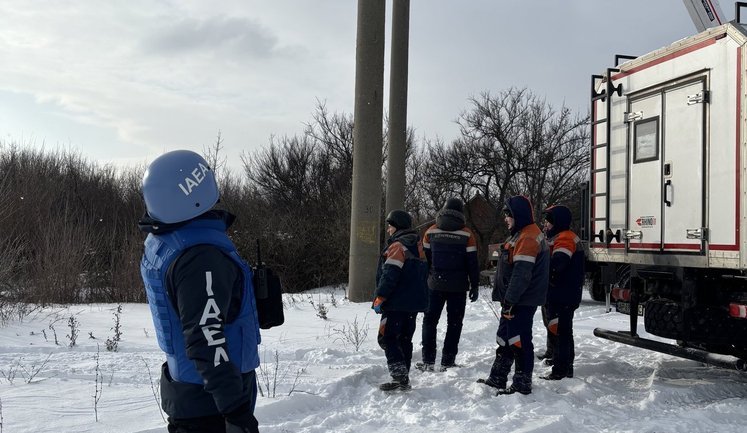
The International Atomic Energy Agency (IAEA) is at the forefront of addressing nuclear safety issues in Ukraine, exacerbated by ongoing Russian military actions affecting energy infrastructure. The "Neutron Source" facility in Kharkiv recently operated on emergency generators due to power loss from strikes, demonstrating the precarious state of nuclear plant safety. Despite geopolitical tensions, the United States pledges continued support for IAEA's efforts in Ukraine. A local ceasefire facilitated repairs near Zaporizhzhia NPP. With recent IAEA missions to pivotal Ukrainian substations, the agency remains committed to nuclear safety during the ongoing crisis, emphasizing military restraint around these critical sites.
What actions is the IAEA taking in Ukraine's nuclear situation?
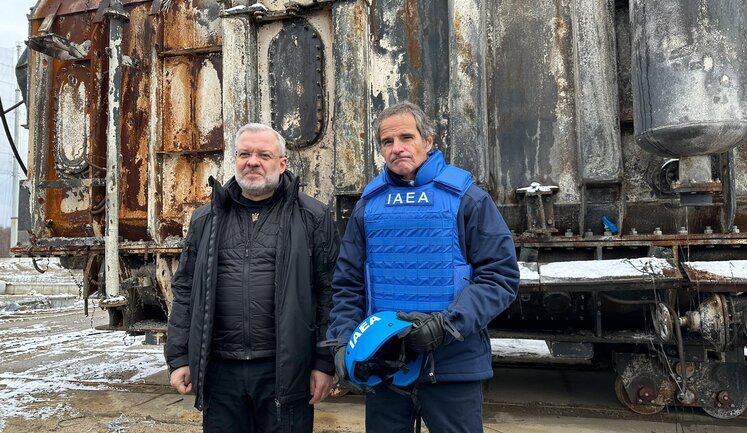
The IAEA has been actively involved in overseeing nuclear safety in Ukraine, mainly through monitoring missions at key facilities and coordinating ceasefires for essential repairs. They aim to mitigate threats from military actions, ensure power line repairs, and support safe operation of nuclear plants like the temporarily Russian-occupied Zaporizhzhia NPP.
How is the United States supporting IAEA's efforts in Ukraine?
The United States maintains its support for the IAEA's missions in Ukraine, underscoring the importance of nuclear safety despite declining to approve recent IAEA resolutions on Russian attacks. This stance highlights the complexities of international relations amid ongoing conflict, while emphasizing safety priorities.
What incidents have affected the Kharkiv nuclear facility recently?
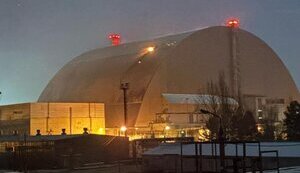
The "Neutron Source" nuclear facility in Kharkiv was forced to function on emergency diesel generators following Russian strikes on a power substation. This incident highlights the vulnerability of Ukraine's nuclear infrastructure under the current conflict-plagued conditions.
What challenges does the Zaporizhzhia Nuclear Power Plant face?
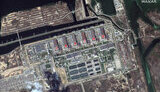
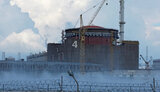
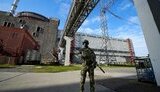
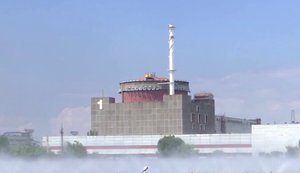
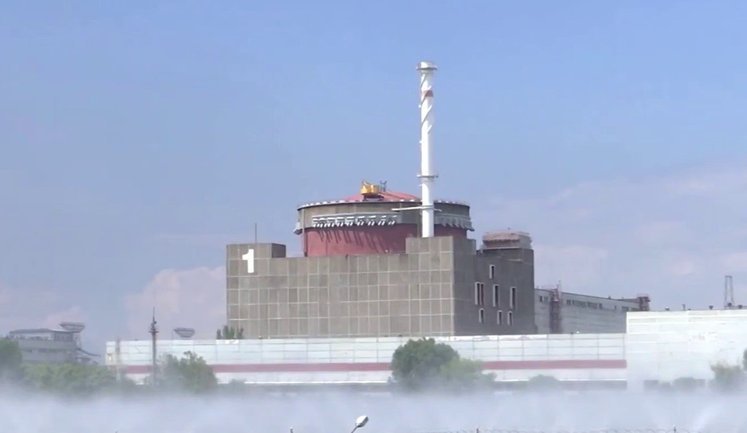
The Zaporizhzhia Nuclear Power Plant has faced extensive challenges due to its occupation and continuous shelling incidents. Despite efforts to maintain safety with IAEA's involvement in repairs and truce agreements, its stable operation remains jeopardized amid escalated military hostilities in the region.
What role does the IAEA play in nuclear diplomacy involving Ukraine and other nations?
The IAEA serves as a critical balancing entity in nuclear diplomacy by facilitating safety discussions and resolutions pertaining to nuclear facilities amidst geopolitical tensions. Their involvement ranges from coordinating mission deployments to mediating between conflicting parties to prioritize nuclear security.
How has the IAEA responded to nuclear safety threats in Ukraine this year?
The IAEA has responded proactively to nuclear safety threats in Ukraine, expanding its missions to key substations, arranging ceasefires for repairs, and continually assessing the operational status of nuclear facilities to preemptively address any arising safety concerns. These efforts underline their commitment to maintaining nuclear security.