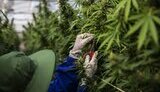
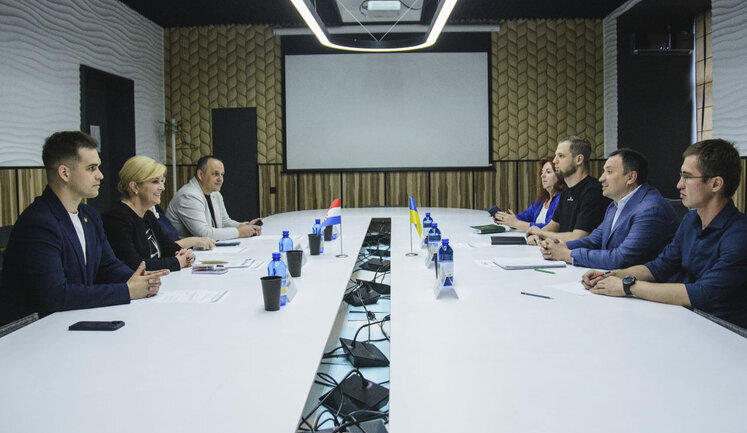
The Ministry of Agrarian Policy of Ukraine plays a pivotal role in the country's agricultural landscape. Despite the war impacts, Ukraine has successfully increased its grain exports by 58%, a testament to its resilient agrarian sector. Russian occupation poses significant challenges, with over 9 million tonnes of Ukrainian crops at risk. Ukrainian and international collaborations focus on mitigating these issues, including partnerships with Japan for demining efforts and with the UK and Lithuania for tracking grain theft. Additionally, new internal initiatives such as establishing a register for industrial hemp producers underscore the ministry's commitment to modernizing agricultural processes. The Ministry also navigates diplomatic waters with Poland and the EU to ensure smooth agricultural exports amidst political tensions.
What actions is the Ministry of Agrarian Policy taking against Russian grain theft?
The Ministry is collaborating with international partners like the UK and Lithuania to track and identify grains stolen by Russia. This involves creating systems for identifying grain origins to prevent illegal exports and ensure rightful ownership.
How has Ukraine's grain export changed recently?
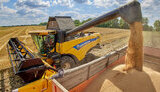
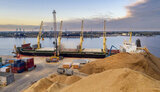
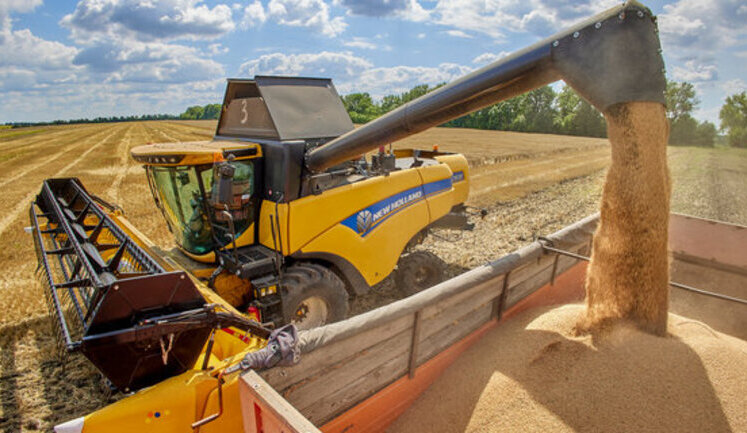
Ukraine has significantly increased its grain exports by 58% in the recent season, exporting 14.14 million tonnes of grains and pulses. This growth highlights the resilience and capability of Ukraine's agricultural sector, despite ongoing challenges.
How are Polish protests affecting Ukrainian agricultural exports?
Polish protests have led to border blockades which impact the transit of Ukrainian agricultural goods. Though protesters haven't demanded changes to Ukrainian imports, the Ministry engages in ongoing discussions to resolve these blockages and ensure trade continuity.
What initiatives are in place for agricultural restoration in Ukraine?
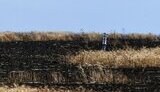
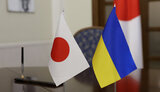
The Ministry, with Japanese aid, focuses on demining and recovery of war-affected lands. Collaborative efforts with international bodies are paving the way for a strategic revival of Ukraine's agricultural infrastructure and productivity.
What measures are being taken to support Ukrainian farmers in occupied territories?
The Ministry is committed to ensuring that Ukrainian farmers in occupied territories are supported through advocacy and international negotiations. Efforts include ensuring safe routes for product exports and legal actions against illegal occupiers.
How is the Ministry responding to corruption charges within its ranks?
The Ministry maintains a zero-tolerance policy towards corruption, as demonstrated by recent actions against officials caught in bribery. This stance is a fundamental part of internal policy reforms aimed at ensuring transparency and accountability.