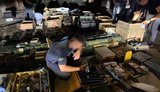
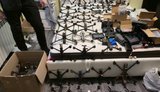
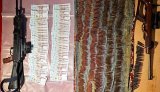
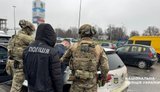
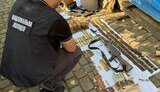
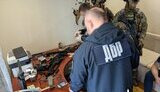
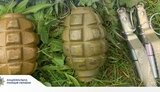
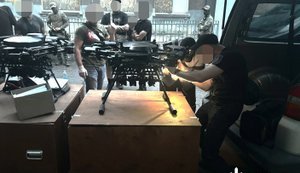
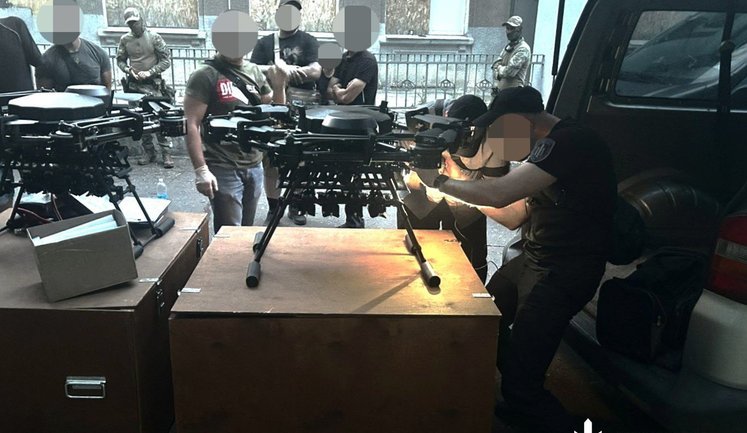
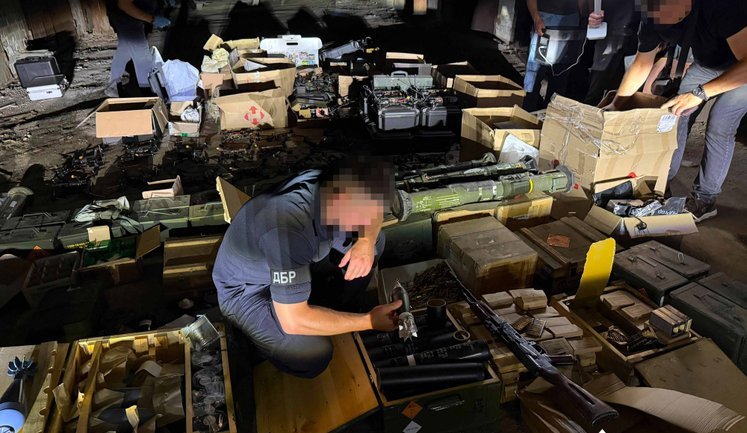
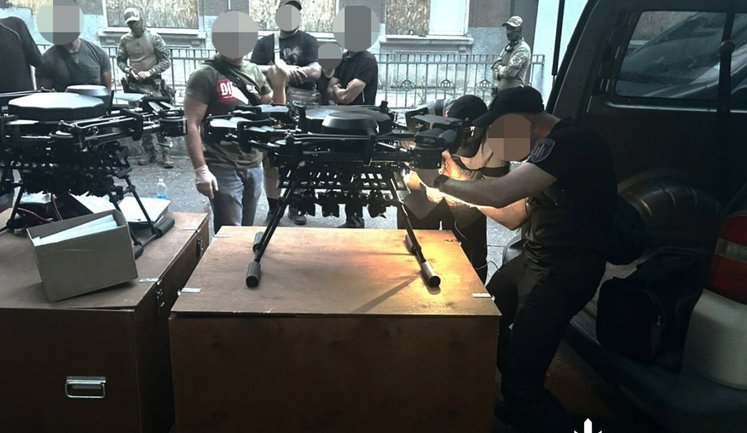
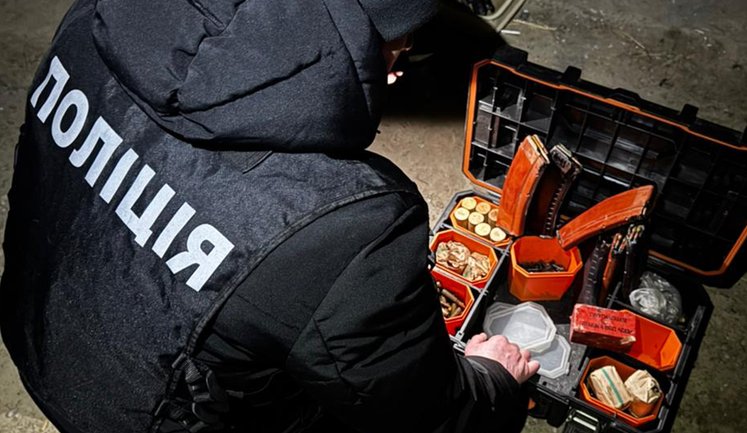
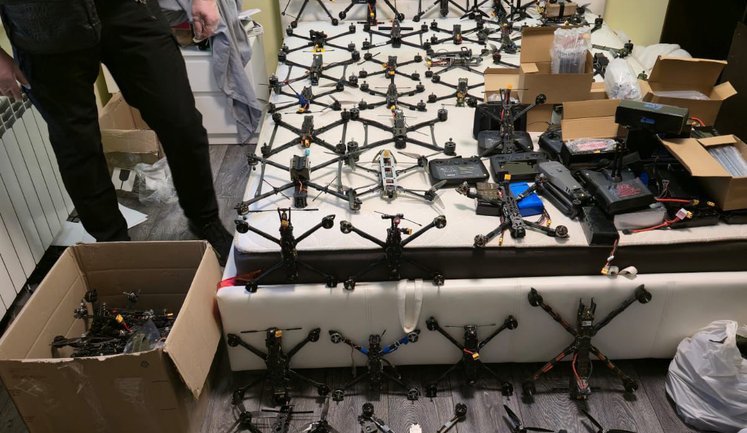
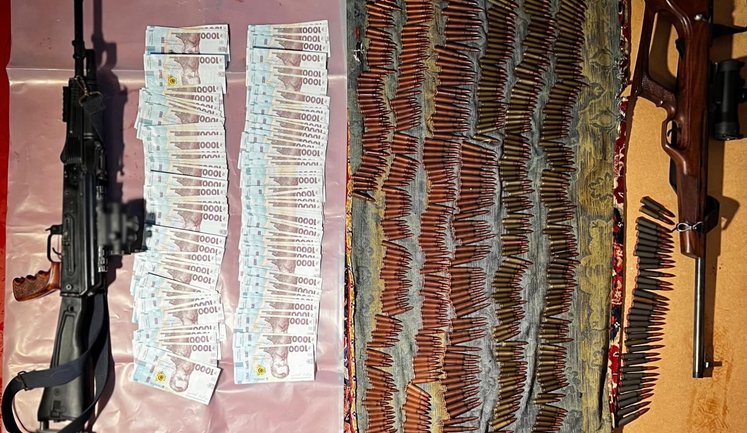
Illegal arms trafficking remains a pressing issue in Ukraine, with significant operations across the country to curb this threat. In Odesa, police dismantled an interregional weapon-selling channel on the black market. This year, a soldier in Donetsk was caught attempting to sell stolen weapons worth over UAH 1.7 million. Massive nationwide efforts led to 941 police searches to seize illegal weapons and ammunition, disrupting the supply to black markets. Key operations include the arrest of six individuals attempting to sell "trophy" weapons across four regions and the exposure of a law enforcement officer in Pokrovsk for reselling captured arms. In the Ternopil region, an individual was detained for trafficking combat grenades, further underlining the widespread challenges faced by authorities.
How is illegal arms trafficking being fought in Ukraine?
Illegal arms trafficking is being combated through coordinated police operations, including the dismantling of interregional sales channels and conducting widespread searches across Ukraine. Authorities like the SSU, SBI, and National Police collaborate to prevent illegal weapon sales and seize arms from the black market.
What regions in Ukraine have seen major operations against illegal arms trade?
Operations against illegal arms trade have taken place in multiple regions including Odesa, Donetsk, Ternopil, and more. Notable actions include arrests of arms traffickers and the dismantling of distribution channels spanning several regions, reflecting a nationwide crackdown.
Who are typically involved in illegal arms trafficking schemes in Ukraine?
Involved individuals often include law enforcement officers, servicemen, and organized crime syndicates. These groups attempt to sell "trophy" weapons and other military equipment on the black market, sometimes exploiting contacts within military units or using captured arms from conflict zones.
What types of weapons are commonly seized in illegal arms operations?
Commonly seized weapons include assault rifles, sniper rifles, explosives, grenades, and more. These arms are typically sourced from military stockpiles or conflict zones and intended for unauthorized sale to various buyers both locally and potentially internationally.
What recent measures has the Ukrainian government taken to combat arms trafficking?
Recent measures include intensifying police raids, enhancing inter-agency cooperation among SSU, SBI, and National Police, and actively monitoring military depots. These measures have led to significant arrests and the confiscation of a large number of illegal arms.
How does illegal arms trafficking affect Ukrainian society?
Illegal arms trafficking fuels crime and violence, threatening societal safety and undermining public trust in law enforcement. The ease of access to illegal weapons also increases the risk of armed conflict and terrorist activities within the region.
Are there international implications to Ukraine's illegal arms market?
Yes, Ukraine's illegal arms market can have international implications, potentially supplying arms to conflict zones or facilitating global arms trades. This necessitates international cooperation to track and curb illegal weapons flows beyond Ukraine's borders.
What role do international organizations play in curbing Ukraine's arms trafficking?
International organizations may aid through intelligence sharing, imposing sanctions on illicit networks, and providing resources or training to enhance local enforcement capabilities. Their role ensures global awareness and action against illegal arms proliferation.