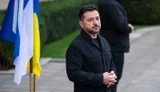
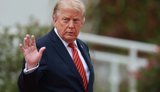
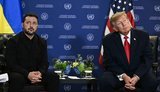
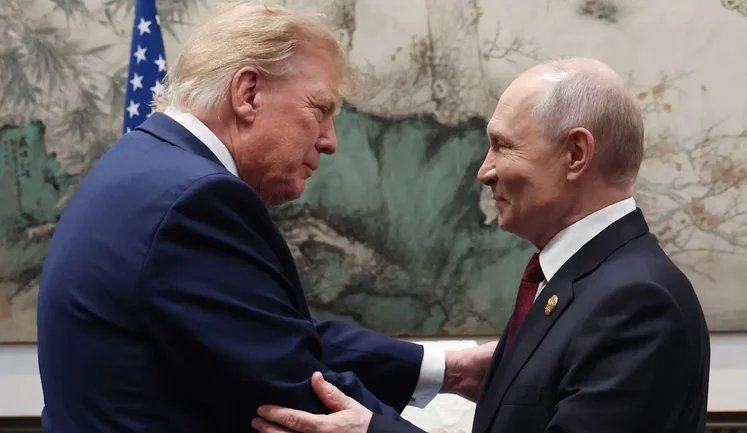
The peace talks between Russia and Ukraine have intensified, with significant international pressure urging both sides to reach a conclusive agreement. US special envoys Witkoff and Kushner warned that the current negotiations might be the last chance for peace before political shifts in Washington. President Zelenskyy acknowledged the potential requirement of security guarantees for Russia in a future settlement, insisting the war must first end. Meanwhile, US President Donald Trump has expressed a desire for a peace deal at the G20 Summit in Miami, emphasizing his willingness to exert pressure on Kyiv. European intelligence agencies remain skeptical, foreseeing challenges in achieving an agreement, while NATO voices optimism that peace is closer than ever. As global power players continue to weigh in, the world watches closely, hoping for a resolution to the long-standing conflict.
What is the current status of the Russia-Ukraine peace talks?
The current status of the peace talks between Russia and Ukraine shows significant international involvement, with key figures like US special envoys Witkoff and Kushner urging urgency. However, skepticism remains, particularly among European intelligence agencies. Various stakeholders, including the US, the EU, and NATO, are actively engaged, pushing for a resolution before changes in the US political landscape could affect negotiations.
How is the US influencing the Russia-Ukraine peace negotiations?
The US, under the leadership of President Donald Trump, is playing a pivotal role in the Russia-Ukraine peace negotiations. Trump aims to facilitate a peace deal at the G20 Summit in Miami, even considering pressuring Ukraine to make concessions. Special envoys Witkoff and Kushner have warned both parties that these negotiations could be the last chance for peace given potential political changes in the US.
What role does President Zelenskyy play in the potential peace agreement?
President Volodymyr Zelenskyy is a central figure in the peace negotiations, emphasizing Ukraine's need for its security concerns to be addressed in any deal. He has also acknowledged the need for security guarantees for Russia, pending the end of hostilities. Zelenskyy is open to various negotiation venues, suggesting he would be willing to sign a peace agreement in prominent locations like the Oval Office or at Mar-a-Lago.
Why are European intelligence agencies skeptical about a peace agreement in 2026?
European intelligence agencies are skeptical about reaching a peace agreement between Ukraine and Russia by 2026 due to the longstanding complexities and geopolitical implications of the conflict. Despite discussions led by the US and other global players suggesting progress, these agencies predict that entrenched issues and the need for a comprehensive agreement involving multiple nations make a quick resolution unlikely.
What are the implications of a peace agreement without Ukraine's participation?
A peace agreement excluding Ukraine would have significant global implications, weakening Western influence and possibly emboldening autocratic regimes. Such a settlement could undermine the sovereignty of Ukraine and negatively impact regional stability, as highlighted by international figures like the Mayor of Warsaw, who warned of the potential consequences of concluding the war without Kyiv's active participation and endorsement.
What stance has Ukraine taken on territorial concessions in the peace talks?
Ukraine, led by President Zelenskyy, remains firm against making territorial concessions in peace talks with Russia. Public sentiment echoes this stance, as reflected in recent polls indicating that a majority of Ukrainians oppose transferring control of the Donbas region to Russia in exchange for security guarantees. Ukraine's leadership maintains that a peace deal must be acceptable to all pertinent parties while preserving national integrity.
How do international players like China and Europe fit into the Russia-Ukraine peace negotiations?
China and European countries play a crucial role in the multiparty discussions surrounding the Russia-Ukraine peace negotiations. Their involvement is essential for finding a balanced and sustainable solution acceptable to all, including major players such as the US and Russia. Ensuring their cooperation and aligning interests is seen as vital for the success of any potential peace agreement.
What incentives might motivate Ukraine to agree to a ceasefire or peace agreement?
Incentives for Ukraine to pursue a ceasefire or peace agreement include international guarantees of security and sovereignty, as well as the potential for economic aid and reconstruction support. President Zelenskyy has mentioned that the state would offer high salaries to incentivize its military personnel, leveraging economic stability as a means to support and maintain Ukraine's defense capabilities while pursuing peace.
Is there public support in Ukraine for a referendum on a peace agreement with Russia?
Public support for a referendum on the peace agreement with Russia is substantial, with 55% of Ukrainians in favor, as indicated by a KIIS poll. This reflects a significant portion of the population's desire for democratic participation in such a crucial decision, which would directly affect national sovereignty and future security dynamics. However, some opposition remains, highlighting deep-rooted concerns about potential compromises.
What are the key obstacles to signing a peace agreement between Ukraine and Russia?
Key obstacles include significant political and territorial disagreements, pressure from international stakeholders for compromises, and the challenge of ensuring comprehensive security guarantees for all parties involved. The personal animosity between leaders, such as Zelenskyy and Putin, also poses barriers, alongside public opposition in Ukraine to territorial concessions, which further complicates achieving a mutually agreeable settlement.