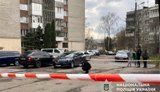
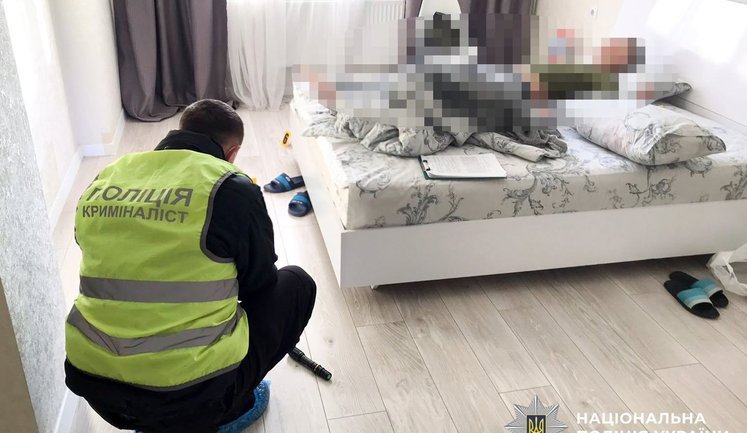
The recent spate of soldier killings in the Kharkiv region, including the tragic deaths of five Ukrainian servicemen from the 72nd Separate Mechanized Brigade, is raising concerns about escalating violence. Investigations spearheaded by the Prosecutor General's Office are probing potential links between the attacker and Russian sabotage and reconnaissance groups. This period of heightened tension underscores the increasing threat from adversarial forces and internal security challenges. Meanwhile, incidents involving hired murders linked to Russian special services via local operatives have prompted calls for stronger counter-intelligence measures. In Rivne, a 14-year-old girl is alleged to have murdered a soldier on the orders of the FSB, showcasing the complexity and brutality of these covert operations. The Security Service continues to thwart numerous attempts on military personnel, spotlighting the critical need for vigilance and comprehensive security strategies.
What are the recent developments in the killing of servicemen in Ukraine?
The recent killing of five servicemen from the 72nd Mechanized Brigade in the Kharkiv region has prompted intense investigations. Law enforcement is exploring possible involvement of Russian saboteur groups, amidst rising tensions due to frequent armed attacks on military personnel. The tragedy has intensified concerns over security and counterintelligence operations in Ukraine.
How has the killing of soldiers affected Ukraine's military operations?
The killing of soldiers has greatly affected military morale and boosted calls for enhanced security measures. These attacks, often linked to foreign intelligence services, pose significant challenges, necessitating stronger countermeasures and intelligence sharing. The losses impact operational readiness and highlight the ongoing risks facing servicemen.
Is there evidence of foreign involvement in the killings of Ukrainian soldiers?
Yes, there is compelling evidence suggesting foreign involvement, particularly from Russian intelligence, in orchestrating killings of Ukrainian soldiers. Instances of local collaborators receiving orders from Russian operatives have been documented, underpinning the strategic complexities in mitigating external threats to national security.
What measures are being taken to prevent further soldier killings in Ukraine?
To prevent further killings, Ukrainian authorities are intensifying investigations and bolstering counterintelligence efforts. Collaboration with international allies and stricter surveillance are also underway to address the infiltration and involvement of hostile foreign operatives targeting military personnel.
What role do security services play in addressing these killings?
Ukraine’s security services, particularly the SSU, play a crucial role in addressing these killings. They work extensively on intelligence gathering, preventing attacks, and identifying hostile network structures. Their ongoing vigilance and timely interventions are crucial to safeguarding military personnel from these violent assaults.
Are there any specific instances of thwarted attacks on Ukrainian soldiers?
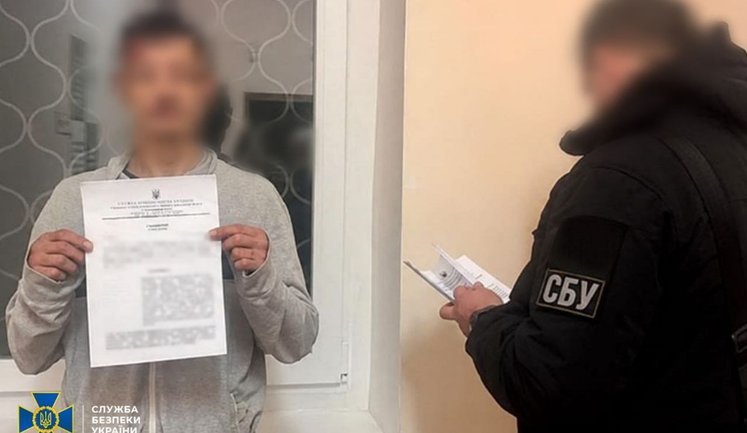
Yes, there have been several thwarted attempts, including one in Kharkiv where FSB agents lured military personnel to a trap under the guise of a charity event. The SSU's Counter-Intelligence Directorate has played a key role in preventing such attacks and ensuring the security of military officials.
How are Ukrainian authorities responding to the involvement of young locals in these killings?
Authorities are deeply concerned about the involvement of young locals coerced into these killings by foreign agents. Initiatives focused on community engagement, bolstered legal actions, and psychological counseling aim to deter such recruitment, reduce susceptibility, and rehabilitate affected individuals.