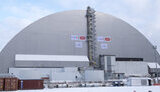
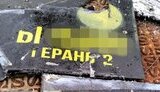
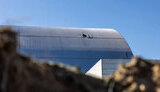
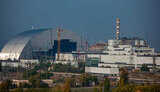
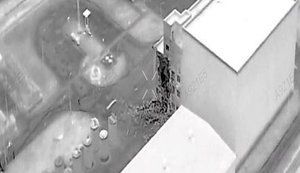
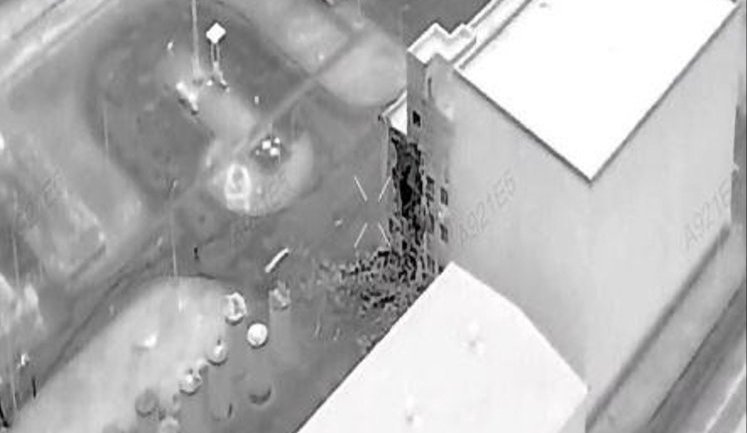
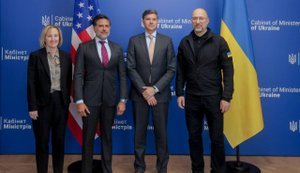
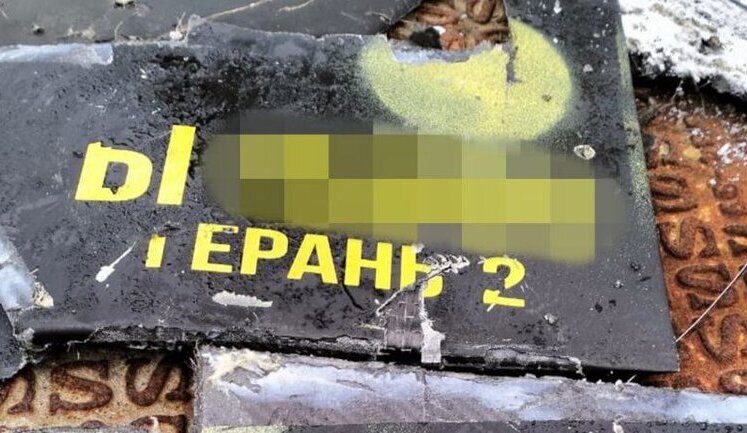
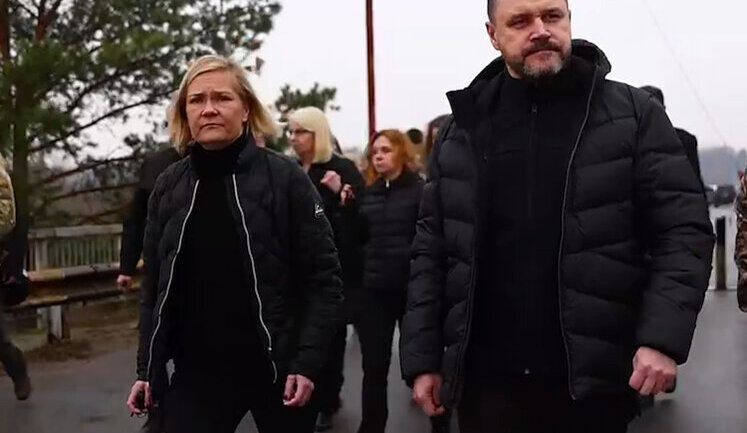
The recent drone strike on the Chornobyl Nuclear Power Plant by Russian forces has sparked international concern over the stability of the protective arch. G7 foreign ministers, including Ukraine’s Andriy Sybiga, will meet in France to discuss emergency restoration plans for the damaged structure. The incident illustrates the ongoing threat to the integrity of the nuclear site and the heightened risk of radiation hazards. Ukraine has sought assistance from Israel in developing an emergency response to potential nuclear incidents by acquiring radiation sickness medication. Meanwhile, no leakage has been detected, but Ukrainian and Finnish officials emphasize the urgent need for preventive measures, amid claims by President Zelenskyy accusing Russia of a deliberate provocation.
Why does the Chornobyl NPP require restoration?
The Chornobyl NPP requires restoration due to a recent drone strike that damaged its protective shelter, raising concerns about potential radiation leaks and structural integrity. International efforts are underway to address these issues and ensure safety at the site.
How is Ukraine addressing radiation risks post-strike?
Ukraine is addressing radiation risks by collaborating with international partners like Israel to enhance its emergency response capabilities. An agreement with Pluri will focus on developing drugs to combat radiation sickness, ensuring preparedness for any future incidents.
What is the G7's role in the Chornobyl NPP situation?
The G7, with participation from Ukraine's foreign ministers, will discuss strategies to restore Chornobyl's protective arch. This involves coordinating international efforts for structural repairs and preventing further damage from potential attacks.
What measures are being taken to ensure there is no radiation leak?
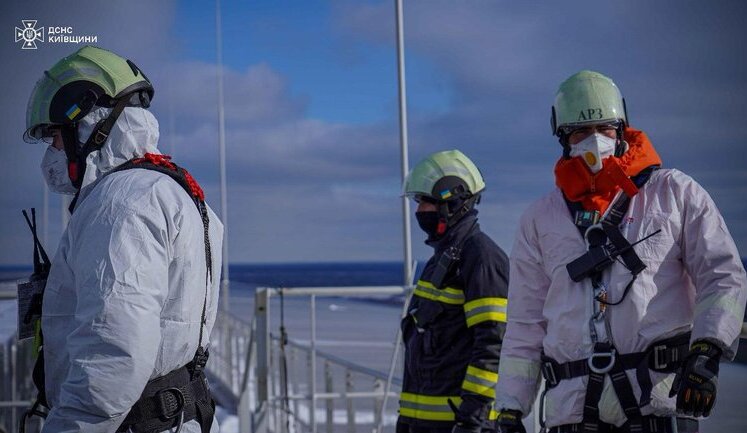
To ensure no radiation leaks following the drone strike, Ukrainian rescue teams are actively monitoring and controlling smoldering areas. Efforts include the partial opening of shelter structures for repairs and continuous surveillance to maintain radiation levels within normal limits.
What stance did President Zelenskyy take on the Russian drone strike?
President Zelenskyy condemned the Russian drone strike on Chornobyl NPP as a deliberate act by Russia, emphasizing it as a major threat. He criticized the use of strategic drones aimed at destabilizing the nuclear plant, underscoring the need for international support against such provocations.
What are the implications of the drone strike on international relations?
The drone strike has further strained relations between Russia and Western nations, with increased calls for military aid to Ukraine and actions against Russia. This event highlights the potential for escalations and the necessity of international diplomatic interventions for regional stability.
What was Russia's official response to the drone strike accusations?
Russia officially denied involvement in the drone strike on Chornobyl NPP. Spokesperson Dmitry Peskov labeled the accusations as provocations and affirmed that Russian military operations do not target such facilities, despite international skepticism regarding these statements.