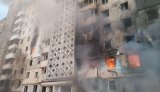
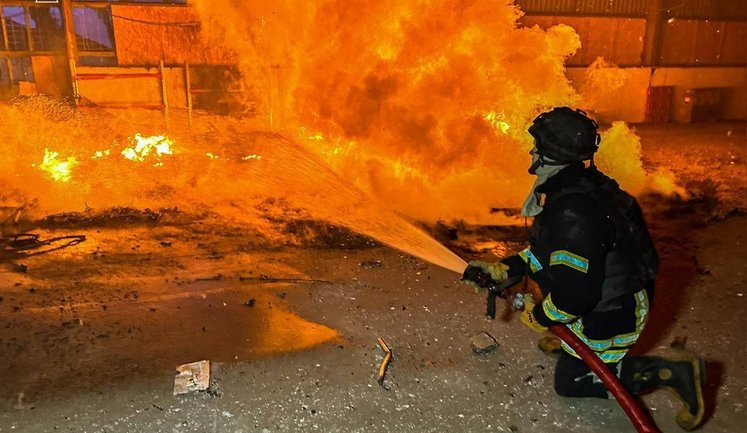
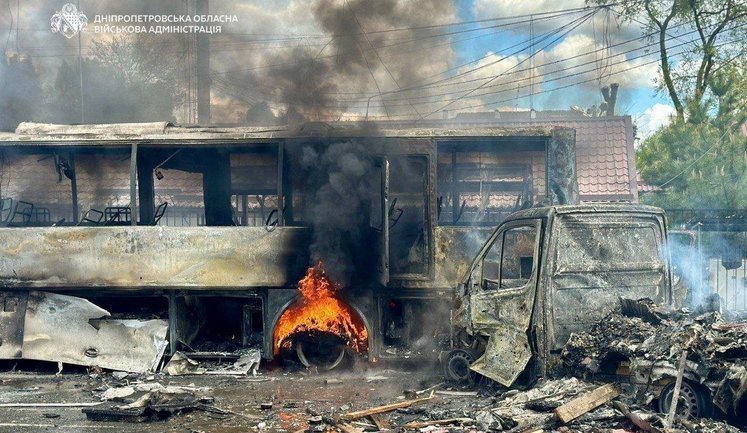
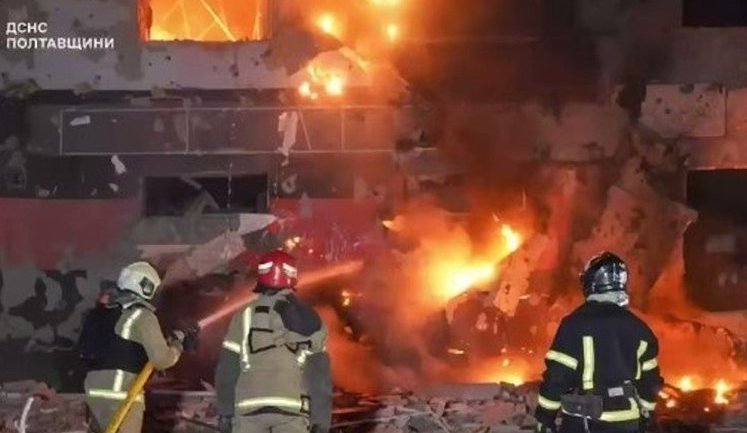
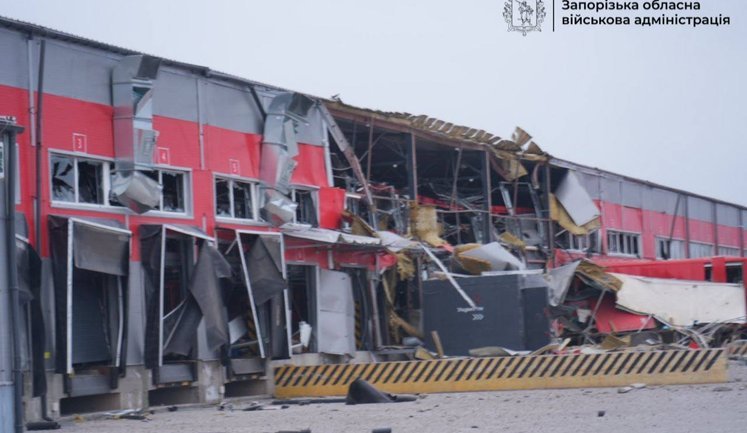
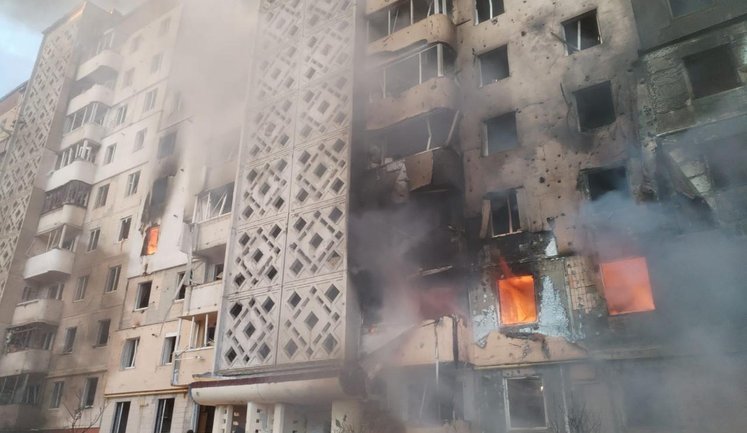
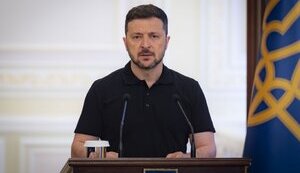
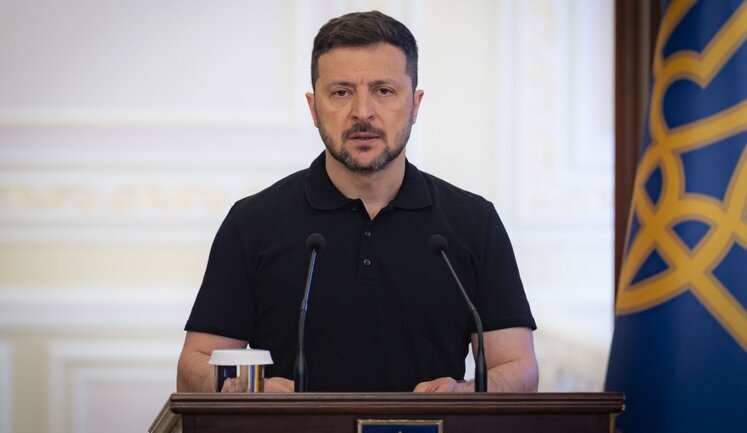
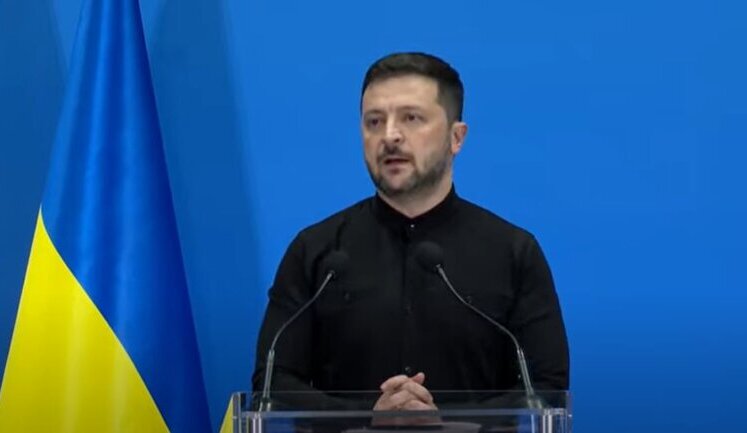
Russian aggression towards Ukraine has escalated significantly, as noted by President Volodymyr Zelenskyy. Over recent weeks, Russia has launched thousands of drones, missiles, and guided aerial bombs at Ukrainian territory, inflicting severe damage on infrastructure, energy facilities, and residential buildings. These attacks have not only targeted strategic infrastructure but have also deeply affected civilian areas, resulting in numerous casualties and injuries. International leaders and diplomats, including those from Estonia and the Netherlands, have condemned these acts and emphasized the urgent need for bolstering Ukraine's air defense capabilities. As the war persists, the call for a concerted international response to these sustained, brutal attacks grows urgent.
What methods is Russia using to attack Ukraine?
Russia employs a variety of methods in its attacks on Ukraine, including deploying thousands of strike drones, guided aerial bombs, and missiles each week. These sophisticated weapons are primarily targeting Ukraine's infrastructure, but they also heavily impact residential and civilian areas, leading to significant humanitarian concerns.
How has Ukraine’s infrastructure been affected by Russian attacks?
Russian attacks have severely compromised Ukraine's infrastructure. Regular strikes have damaged energy facilities, logistics systems, and even water supply networks. These attacks cause widespread disruptions, with cities like Kyiv experiencing loss of heating and power, significantly impacting the civilian populace and daily life.
What has been the international response to Russian attacks on Ukraine?
The international response has included widespread condemnation and calls for increased defensive support for Ukraine. Countries such as the Netherlands and Estonia have urged for strengthened air defense systems to protect against Russian attacks, while also pressing for diplomatic measures that could impose further pressure on the aggressor nation.
How have Russian drone attacks evolved over recent months?
Recent months have seen a dramatic uptick in the use of drones, with reports indicating that the number of drones deployed by Russia has quadrupled since last year. These drones, including Russian-Iranian "Shaheds," are frequently used in combination with missiles to overwhelm Ukrainian defenses and inflict maximum damage across multiple infrastructure sites.
What measures is Ukraine taking to defend against these attacks?
In response to ongoing attacks, Ukraine is focusing on enhancing its air defense capabilities. President Zelenskyy has called for international assistance in strengthening their systems, while interceptors are being ramped up to counter the influx of drones. Consistent international partnerships are key to boosting Ukraine's defensive strategies and mitigating damage from Russian assaults.
Has Russia targeted civilian areas during their assaults on Ukraine?
Yes, Russian forces have consistently targeted civilian areas alongside strategic military and infrastructure targets. Many missiles and drones have struck residential zones, causing casualties among civilians, including children, and extensive destruction more broadly, raising grave concerns both locally and internationally about the humanitarian impact of the conflict.
What has been President Zelenskyy's response to the shelling of Ukraine?
President Zelenskyy has remained vocal and proactive in addressing the shelling of Ukraine. He has continuously updated citizens and the international community about the scale and targets of the attacks and has pleaded with Ukraine's allies to expedite support, particularly in ramping up air defense measures to safeguard against persistent Russian aggression.
What are the key targets of Russian strikes in Ukraine?
Russian strikes have concentrated on key infrastructure elements such as energy facilities, logistical hubs, and water supply systems. However, the attacks are not limited to strategic targets alone, as numerous strikes have also hit civilian residential areas, exacerbating the safety and humanitarian situation on the ground in Ukraine.
What type of missiles are being used in the attacks on Ukraine?
Russia has deployed a diverse array of missile types in its assaults on Ukraine, including guided missiles and ballistic missiles. The use of these advanced weaponry systems aims to maximize impact and disrupt critical Ukrainian infrastructure, thereby intensifying the conflict through sustained and targeted strikes.
How is the international community assisting Ukraine amid ongoing attacks?
The international community has moved to assist Ukraine primarily by providing defense support and advocating for increased sanctions against Russia. Many countries have pledged to enhance their military aid, focusing on improving Ukraine's air defense systems to protect life and infrastructure. Diplomatic efforts are also underway to increase pressure on Russia, urging a cessation to these aggressive military tactics.