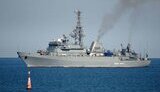
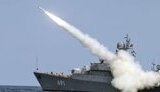
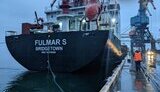
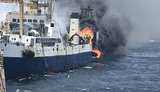
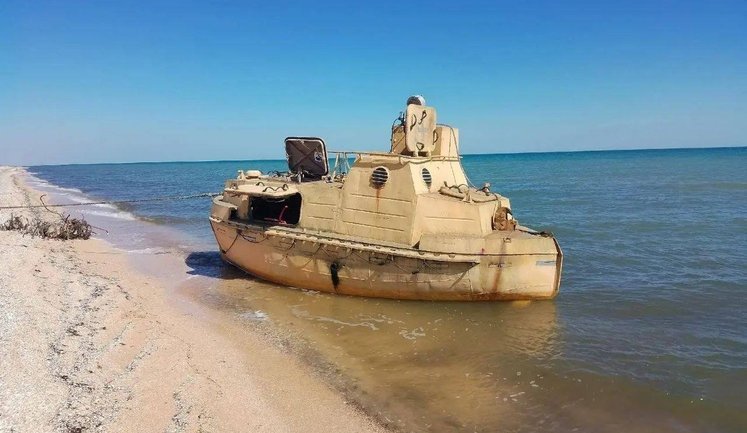
The Strait of Hormuz remains a focal point of tension as Iran claims to have sunk an American warship. This claim adds to the escalating concerns as regional and international actors respond to maritime threats. Additionally, Sweden's enforcement of environmental regulations led to the seizure of a Russian-bound cargo ship, further heating geopolitical waters. Within the occupied regions, the logistical challenges faced by Russian troops following strikes on critical supply ferries in Crimea emphasize the strategic importance of maritime routes. With marine incidents on the rise, global shipping faces increased scrutiny and potential disruptions.
What is the significance of the Strait of Hormuz for global shipping?
The Strait of Hormuz is one of the world's most crucial maritime chokepoints, through which one-fifth of global petroleum passes. Any conflict or disruption in this area can significantly impact global oil prices and supply, affecting economies worldwide. Ensuring safe passage through the strait is vital for maintaining international energy stability and economic security.
How are regional tensions impacting shipping routes in the Middle East?
Regional tensions, particularly involving Iran and Western powers, have heightened risks for ships traversing Middle Eastern waters. Attacks, naval confrontations, and geopolitical disputes contribute to uncertainties and potential rerouting of commercial vessels, potentially increasing transit times and costs for shipping companies.
Why was a dry cargo ship detained by Swedish authorities?
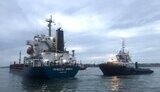
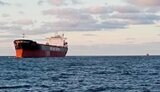
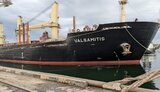
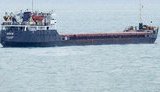
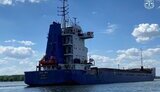
Swedish authorities detained the Panamanian bulk carrier Hui Yuan due to suspected violations of environmental regulations. The ship was observed dumping coal waste into the sea, which poses significant environmental risks. This detention underscores the importance of enforcing maritime laws to protect marine environments from pollution.
What logistical challenges are Russian troops facing in occupied Crimea?
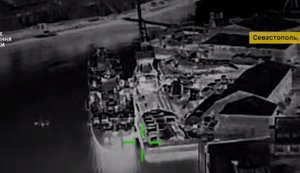
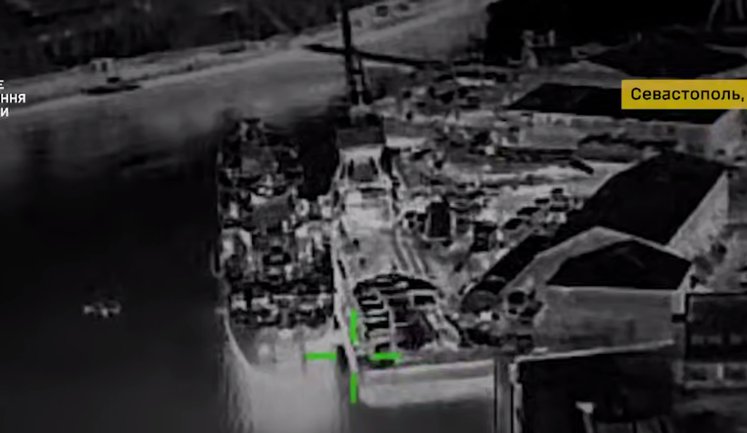
Russian troops in occupied Crimea have faced significant logistical challenges due to damage sustained by key transport ferries like the "Slavyanin." Such disruptions hinder troop movements and supply deliveries, complicating military operations and reducing operational efficiency in the contested regions.
How have unmanned systems been used in recent ship-related confrontations?
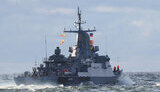
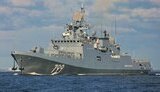
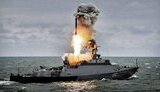
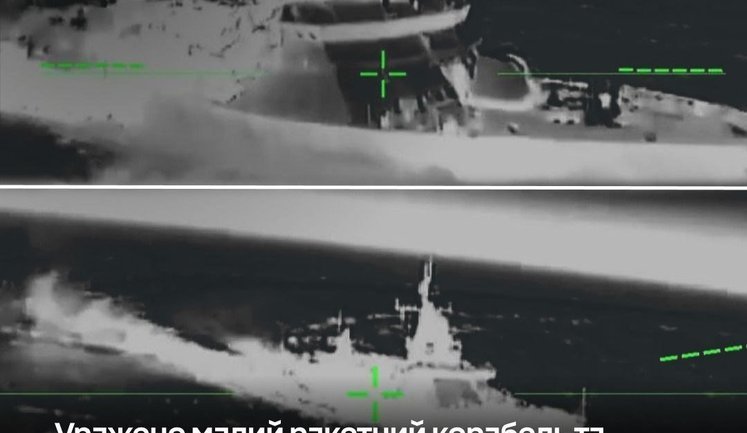
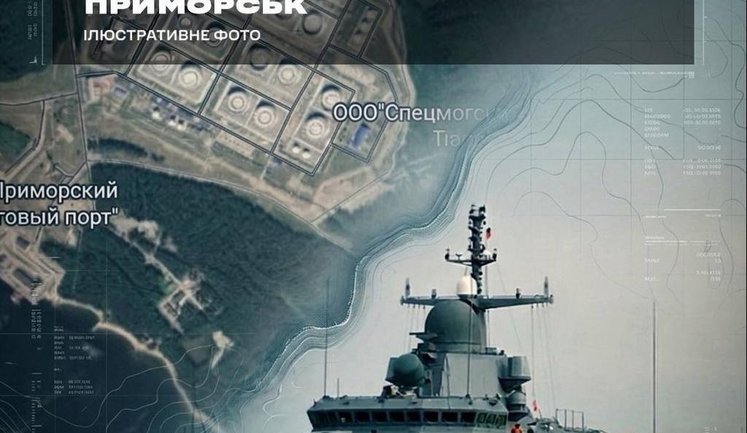
Recent confrontations have seen increased use of unmanned systems, such as drones, to strike significant maritime targets. These remote systems offer strategic advantages by minimizing personnel risks while delivering precise strikes, as demonstrated in attacks on large vessels like the Admiral Makarov frigate, influencing naval engagements and defense strategies.
What measures are being taken to ensure the safety of commercial shipping in conflict zones?
To ensure commercial shipping safety, international naval forces often provide escorts and surveillance within conflict zones. Multinational cooperation, adherence to maritime laws, and diplomatic dialogue are crucial in reducing incidents and promoting safe passage for vessels amidst growing regional tensions.