Mobile communication faces significant challenges as authorities in various regions impose restrictions. In Moscow, mobile internet and SMS will be blocked from 5 to 9 May, as reported by Russian media. Simultaneously, the Ukrainian General Staff is considering shutting down mobile networks during air raid alerts. These actions reflect ongoing concerns about security and control. In the occupied territories, access to mobile communication is further complicated by new regulations requiring Russian passports for account top-ups. Additionally, power outages exacerbate communication issues, notably in Sumy and Kherson, where networks rely on alternative power sources like Starlink. These developments highlight ongoing obstacles in mobile communication access and reliability.
What are the reasons behind mobile internet restrictions in Moscow?
Moscow announced mobile internet and SMS restrictions from 5 to 9 May due to the commemoration of Victory Day. This measure is aimed at ensuring security amid potential threats. The presence of what is termed as a "dangerous neighborhood" has prompted these proactive steps to control mobile communication during sensitive times.
How does power supply affect mobile communication in Sumy?
In Sumy, the lack of a stable electricity supply has resulted in mobile communication issues. The disruptions are attributed to the inability of telecom operators to maintain network operations during prolonged power outages. As a result, residents experience unreliable mobile service, necessitating alternative solutions like Starlink terminals to sustain connectivity.
Why has Ukraine considered shutting down mobile networks during air raids?
Ukraine's General Staff is contemplating the temporary shutdown of mobile networks or reducing internet speeds during air raid alerts. This potential measure aims to prevent adversaries from exploiting mobile communications to coordinate attacks or gather intelligence during heightened security threats, thus protecting military operations and civilian safety.
What challenges do telecom operators face in occupied territories?
In occupied regions, telecom operators face significant challenges, including restrictions imposed by occupying forces. In some areas, account top-ups are restricted without Russian passports, causing service disruptions. Furthermore, the removal of equipment by occupants complicates network management, hindering communication services for civilians.
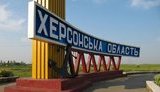
What measures are being taken to ensure telecom services during blackouts in Kherson?
To maintain telecom services during blackouts in Kherson, providers are utilizing Starlink terminals and generators for network stability. This approach ensures that despite power outages, mobile communication remains operational, allowing residents to access essential services without interruption.