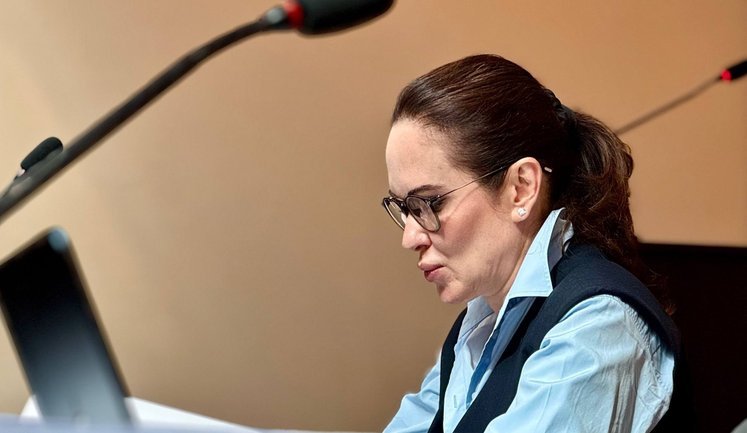
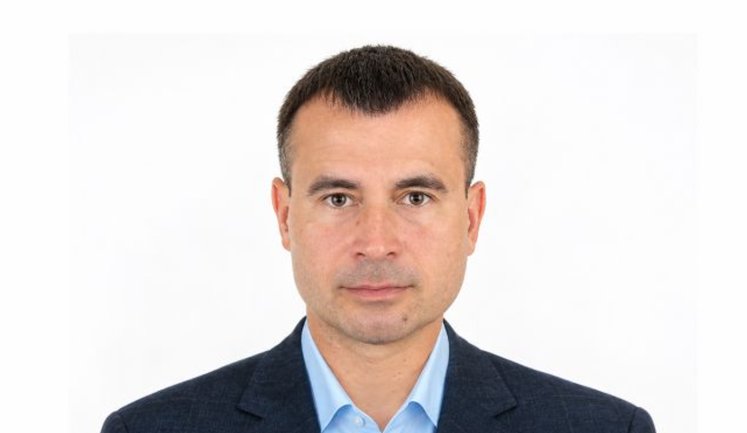
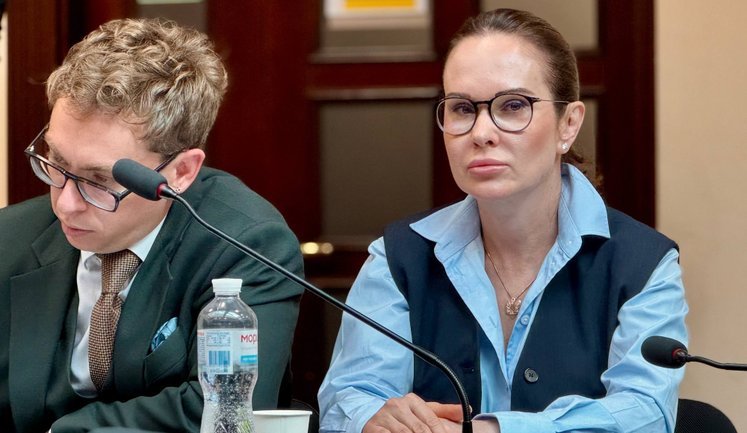
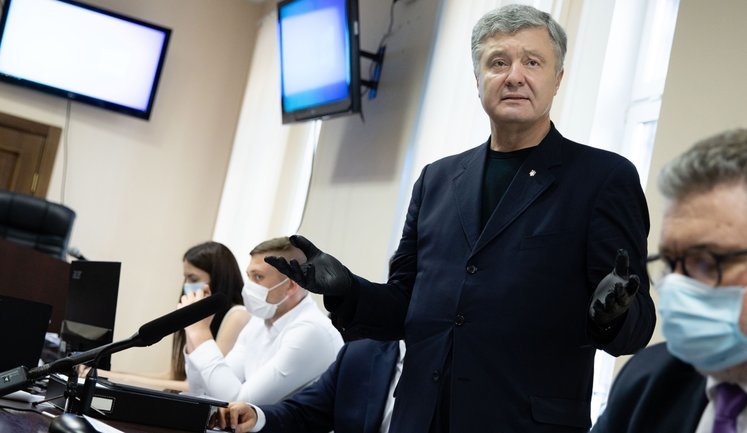
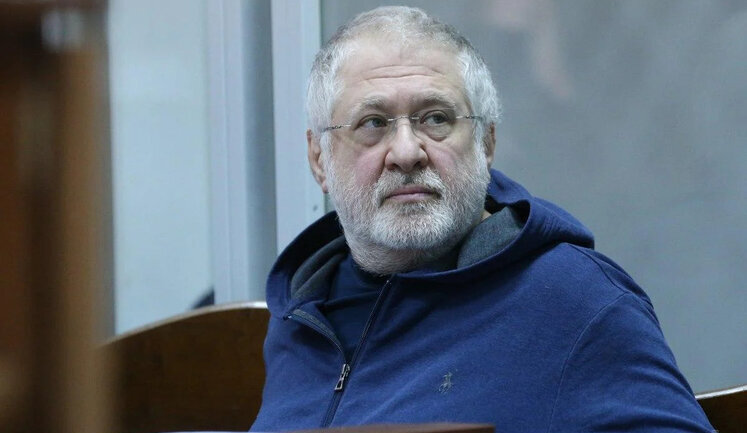
Pretrial restriction remains a focal point in Ukraine's judicial processes, especially in high-profile cases. Andriy Yermak, former Head of the Office of the President, faced stringent measures, including an electronic bracelet, per the High Anti-Corruption Court's directive. Meanwhile, Olha Stefanishyna, a former ambassador, failed to meet the UAH 6 million bail requirement, highlighting the judicial system's strict adherence to legal protocols. Other notable cases include Pavlo Pleshyvtsev's extended detention and Vasyl Honcharuk's remand over exhibition-related charges. These instances underscore the importance of pretrial restrictions in maintaining accountability and deterring illicit activities within Ukraine.
What are pretrial restrictions and why are they imposed in Ukraine?
Pretrial restrictions are legal measures employed to ensure individuals appear in court and do not engage in illegal activities while awaiting trial. In Ukraine, these can include electronic bracelets, bail, or detention, aimed at mitigating flight risks and ensuring public safety during judicial proceedings. These restrictions are critical in high-profile cases involving allegations of corruption or violence, serving both as a deterrent and a mechanism for safeguarding judicial integrity.
Why was an electronic bracelet used for Andriy Yermak?
The use of an electronic bracelet for Andriy Yermak was ordered by the High Anti-Corruption Court as a monitoring measure to prevent possible evasion of legal processes. This measure ensures that Yermak remains within designated areas and complies with court directives while awaiting further legal proceedings related to corruption charges.
What happens if bail conditions are not met in Ukrainian courts?
If bail conditions are unmet, as observed in Olha Stefanishyna's case, the individual may face extended detention or additional legal penalties. Failing to meet bail requirements can lead to stricter pretrial measures to prevent absconding or interference with investigations, reflecting the judiciary's rigorous enforcement of legal protocols.
How does pretrial custody impact legal proceedings in Ukraine?
Pretrial custody serves as a significant tool in Ukraine's legal system to ensure suspects are available for court appearances and do not hinder investigations. This form of restriction is particularly useful in serious cases such as murder or embezzlement, where potential flight risks or evidence tampering are concerns. It helps maintain the integrity and effectiveness of judicial processes by providing controlled oversight until trial completion.
Can pretrial restrictions be modified after they are imposed?
Yes, pretrial restrictions can be modified based on changes in case circumstances or legal appeals. Courts may alter the conditions if new evidence arises or if the accused demonstrates compliance with initial measures. Modifications can include changes to bail amounts, removal of electronic monitoring, or shifts in custody terms, ensuring the restriction remains proportionate and just throughout the legal process.
How does Ukraine's legal system handle international cases with pretrial measures?
In international cases involving Ukrainian suspects, pretrial measures are coordinated to align with both national and international legal standards. This includes collaboration with foreign jurisdictions to uphold laws and ensure the efficient administration of justice, preventing suspects from exploiting international boundaries to evade proceedings.