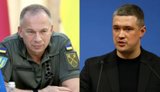
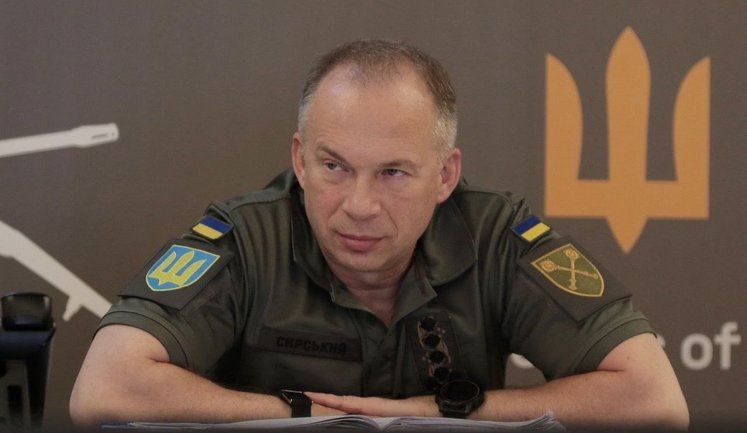
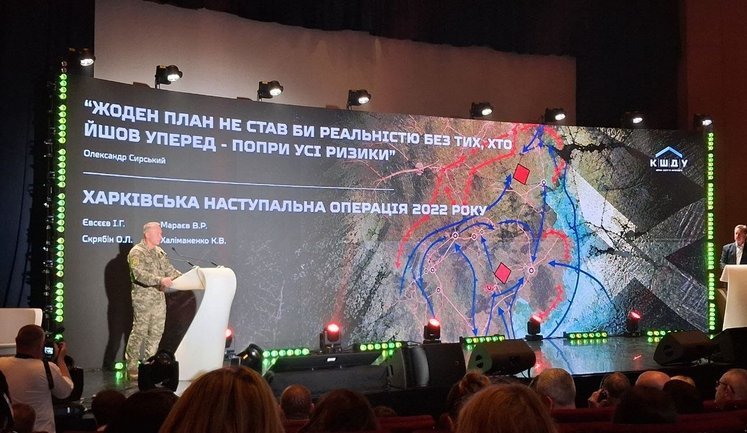
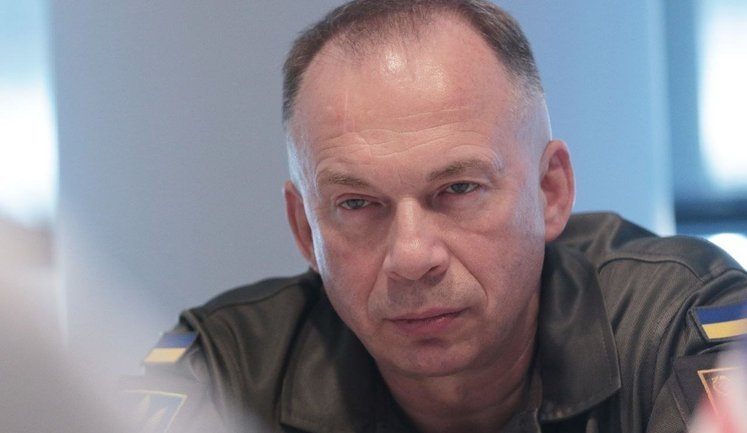
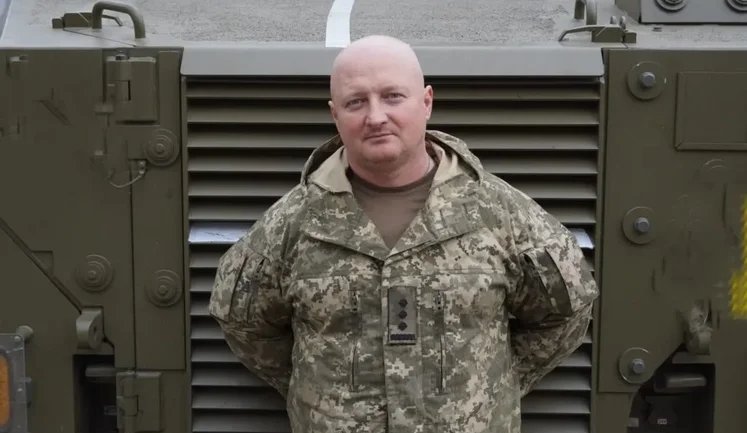
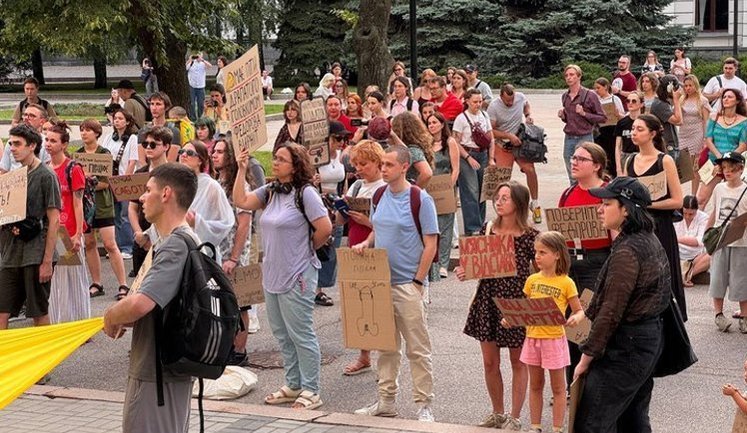
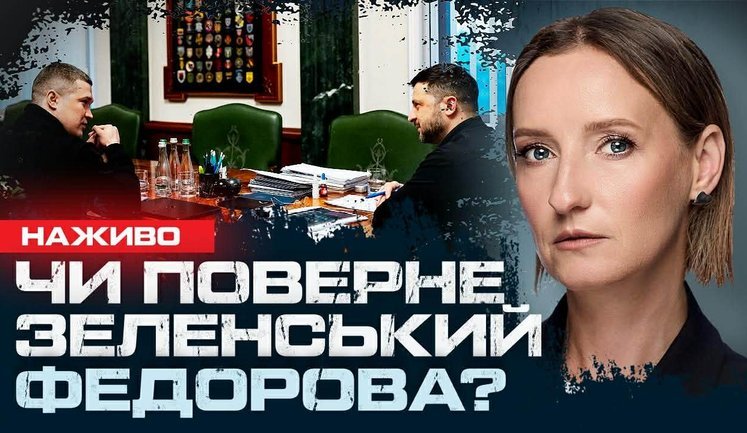
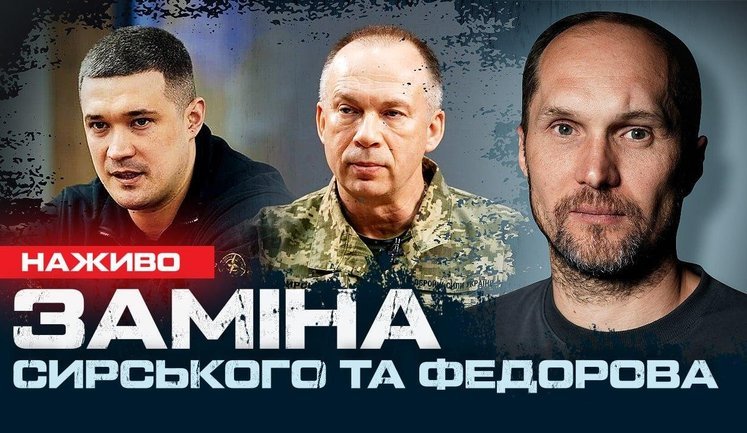
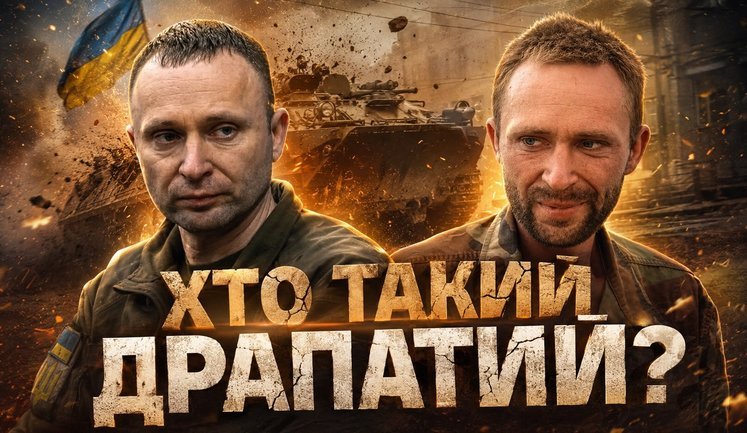
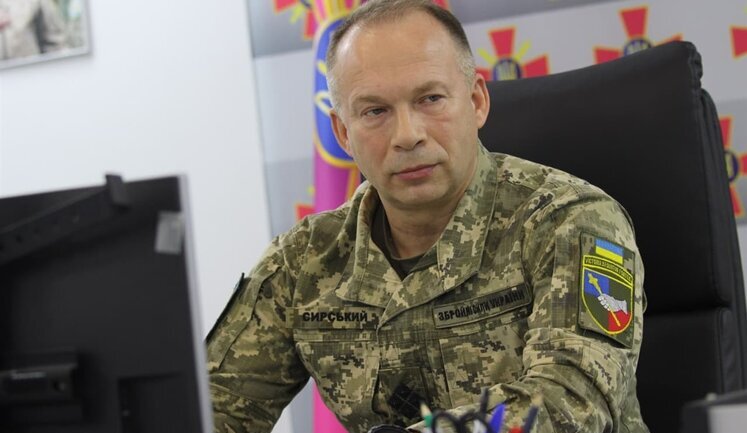
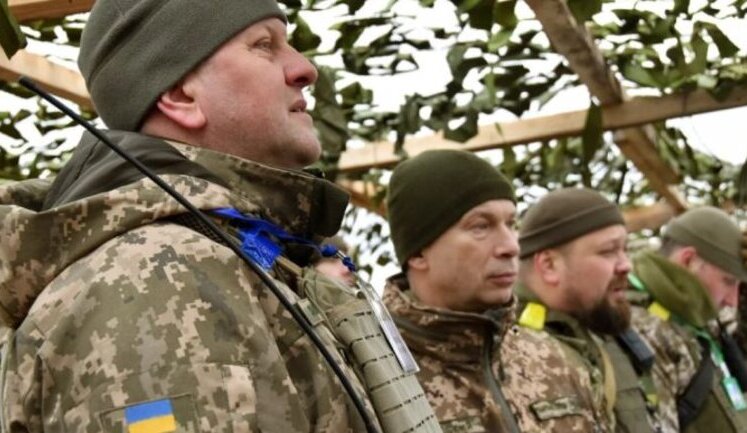
Oleksandr Syrskyi, the former Commander-in-Chief of the Armed Forces of Ukraine, has been a pivotal figure in Ukraine's military landscape. Known for his operational-tactical prowess, he faced criticism at the strategic level, especially with his recent dismissal which drew public attention. Amid protests supporting former Defence Minister Mykhailo Fedorov, Syrskyi's leadership was under scrutiny. President Zelenskyy's reshuffling of military leadership, including appointing Mykhailo Drapatyi as his replacement, marks a significant shift. The series of personnel changes highlights the complexities in Ukraine's defense strategies as it navigates both internal conflicts and external pressures.
What are Oleksandr Syrskyi's strengths in military command?
Oleksandr Syrskyi is recognized for his abilities in planning and conducting offensive operations. However, there are noted shortcomings in his strategic capabilities, specifically in the context of commanding the Armed Forces of Ukraine on a broader, more strategic level. This balance of skills had implications during his tenure and in the recent reshuffle of military leadership.
Why was Oleksandr Syrskyi dismissed from his position?
The dismissal of Oleksandr Syrskyi as Commander-in-Chief can be attributed to a combination of internal political factors and public pressure. His strategic approaches and leadership during ongoing conflicts, as well as his contentious relationship with the former defence minister, factored into the decision. The shift is part of a broader governmental restructuring to enhance the military's effectiveness.
How does the public perceive the changes in Ukraine's military leadership?
Public opinion is divided regarding the recent personnel changes in Ukraine's military leadership. While a significant portion supported Oleksandr Syrskyi's dismissal, a larger majority opposed the resignation of former Defence Minister Fedorov, sparking widespread protests. These demonstrations underscore the public's involvement and concern over military and governmental reforms.
Who replaced Oleksandr Syrskyi as Commander-in-Chief?
Mykhailo Drapatyi was appointed as the new Commander-in-Chief of the Armed Forces of Ukraine, following Oleksandr Syrskyi's dismissal. Drapatyi's appointment is seen as a significant move in reshaping Ukraine's military command, reflecting both internal strategic changes and responses to public sentiment regarding defense leadership.
What factors contribute to the strategic challenges faced by Ukraine's armed forces?
Ukraine's armed forces face strategic challenges due to ongoing external aggression and internal political dynamics. Leadership transitions, such as the recent replacement of Oleksandr Syrskyi, indicate attempts to strengthen military strategies. These challenges are compounded by the need for effective operational tactics and robust defense policies to counter ongoing threats.