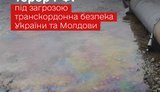
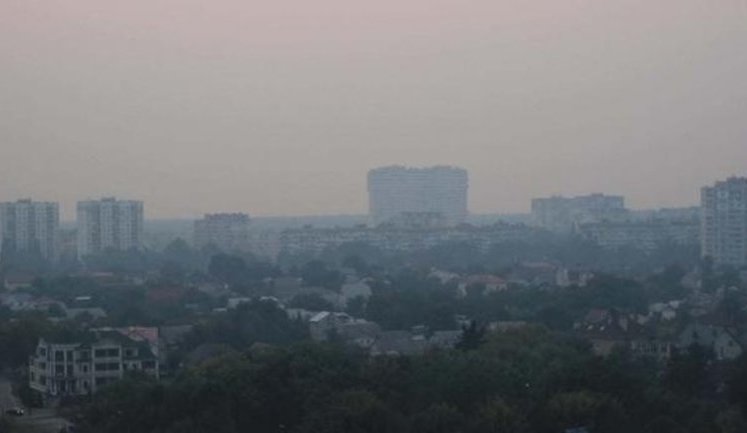
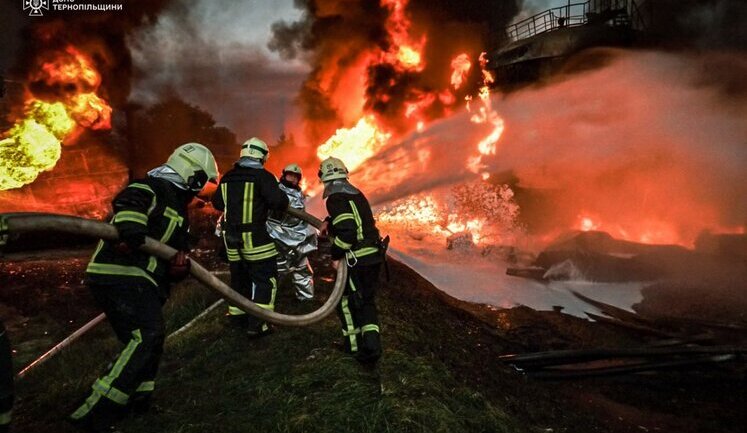
Pollution in Ukraine has become a serious concern, impacting both air and water quality in several regions. The Russian attacks have exacerbated air quality in Vinnytsia and Ternopil, requiring residents to minimize outdoor exposure. Simultaneously, Kyiv frequently records dust and particulate matter, affecting overall air quality. Water pollution issues are alarming in rivers like Seim and Desna, with significant oil leaks and organic pollutant movements worsening the scenario. Authorities are employing various measures, yet pollution remains a central issue for the Ukrainian population in 2025, thus urging immediate and sustainable solutions to protect the environment and the health of citizens.
What measures are being taken to combat air pollution in Kyiv?
In Kyiv, local authorities and environmental agencies are actively monitoring pollution levels to implement immediate response measures. Strategies include alert systems for high pollution days and public advisories urging residents to limit outdoor activities. Additionally, efforts to reduce emissions from industrial and vehicular sources are emphasized, alongside the planting of urban greenery to naturally filter particulates from the air.
How has the war in Ukraine impacted environmental conditions?
The ongoing conflict in Ukraine has severely degraded environmental conditions. Attacks have caused fires and industrial emissions that pollute the air, such as in Vinnytsia and Ternopil, while military operations also disrupt natural habitats. Water bodies, including the Seim and Desna rivers, face significant contamination from oil spills and other pollutants, further stressing the environmental capacity amidst the hostilities.
How is water pollution in the Seim and Desna rivers being addressed?
Efforts to address water pollution in the Seim and Desna rivers include deploying booms to contain oil spills and conducting thorough investigations to identify pollution sources. Strategies to enhance water quality focus on systematic monitoring and implementing remedial measures such as clearing pollutants and enhancing natural filtration processes. Collaboration among environmental authorities and local agencies is critical to sustainable cleanup operations and future pollution prevention.
Why is air quality continuously worsening in Ukrainian cities?
Various factors contribute to worsening air quality in Ukrainian cities. Industrial activities, increased vehicular emissions, and natural phenomena such as dust storms from neighboring regions are major contributors. Additionally, the war has led to fires and explosions releasing harmful pollutants into the air. Climate conditions also play a role, with temperature inversions trapping pollutants near the ground, further complicating air quality management in these urban areas.
What impacts does pollution have on the health of Ukrainians?
Pollution poses significant health risks to Ukrainians, particularly those living in heavily impacted areas like Kyiv and other major cities. Poor air quality can lead to respiratory illnesses, cardiovascular problems, and exacerbate existing health conditions. Similarly, water pollution affects drinking water safety, causing gastrointestinal diseases and longer-term risks due to chemical exposure. Increased pollution impacts stress public health infrastructure, necessitating urgent preventative and mitigative measures.
What is causing repeated pollution events in the Seim River?
Repeated pollution events in the Seim River are due to a combination of natural and anthropogenic factors. Industrial discharge, waste mismanagement, and agricultural runoff contribute to the contamination, in addition to the complications arising from conflict-related activities. The movement of pollutants in the water system is monitored by environmental agencies, yet full remediation is challenging due to ongoing environmental pressures and limited resources necessitating coordinated long-term solutions.