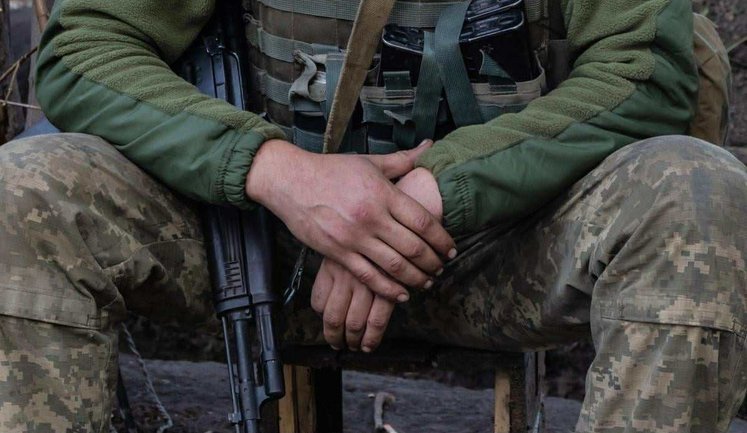
The issue of AWOL (Absent Without Leave) in the Armed Forces of Ukraine (AFU) is garnering significant attention as reports reveal a surge in such incidents. According to the Prosecutor General's Office, over 310,000 cases of AWOL and desertion have been reported since the start of the full-scale invasion. This alarming trend has sparked intense discussions in the Verkhovna Rada, exploring new restrictions such as account freezing and driving bans for evaders. Meanwhile, challenges in mobilization and rising cases of unauthorized departure pose critical threats to national security. Efforts include enhancing foreign participation and revising penalties for AWOL. Additionally, serious incidents like the Zaporizhzhia shooting, involving AWOL personnel, underscore the gravity of the situation, necessitating urgent action to address these challenges effectively.
What are the main causes of AWOL in the Armed Forces of Ukraine?
The primary reasons for AWOL (Absent Without Leave) among Ukrainian servicemen include a lack of motivation, unclear service terms, and inadequate support for military personnel. Reports indicate that absence often arises during transfers between training centers and military units. Addressing these issues is crucial for improving retention and morale within the Armed Forces of Ukraine.
How is Ukraine attempting to address the AWOL issue?
To tackle the rising AWOL cases, Ukrainian authorities are implementing measures such as initiating stricter penalties, discussing additional restrictions like account freezing for evaders, and boosting the role of foreign participants in military services. These efforts aim to improve accountability and bolster military effectiveness amidst ongoing security challenges.
What penalties exist for military personnel going AWOL?
In Ukraine, penalties for AWOL during martial law include criminal charges and potential imprisonment. The Verkhovna Rada has passed a draft law in the first reading to toughen these penalties further. However, there are debates on the fairness of increased criminal liability, especially for servicemen voluntarily returning to duty.
How has the number of AWOL cases changed during the conflict?
Since the onset of the full-scale invasion, there has been a significant increase in AWOL and desertion cases, with over 310,000 charges registered. The first ten months of 2025 witnessed the highest number of cases as military units grappled with these internal challenges affecting the overall operational capability.
What are the possible solutions proposed to prevent AWOL in the future?
Solutions to prevent AWOL include enhancing service conditions, ensuring clear communication of service terms, and implementing support mechanisms for military personnel. Additionally, increasing accountability through legislative measures and promoting foreign recruitment are strategies considered to mitigate the risk of unauthorized absence and bolster defense capabilities.