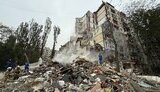
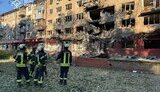
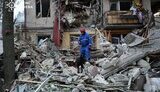
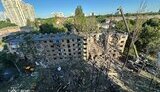
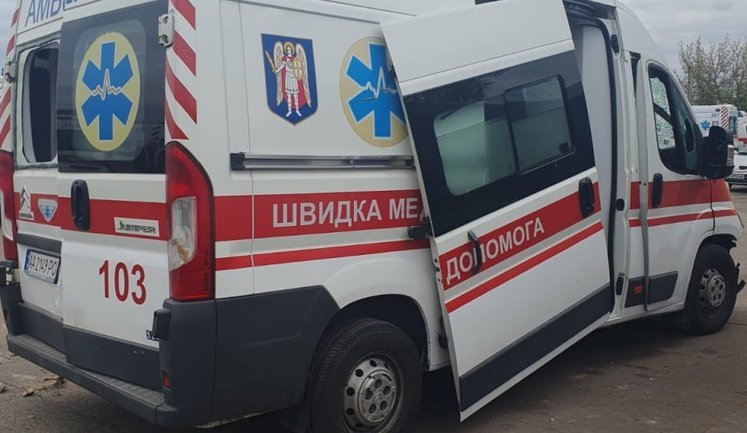
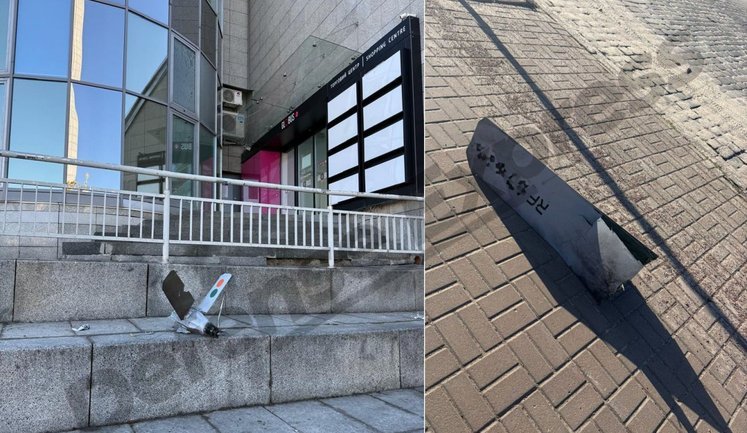
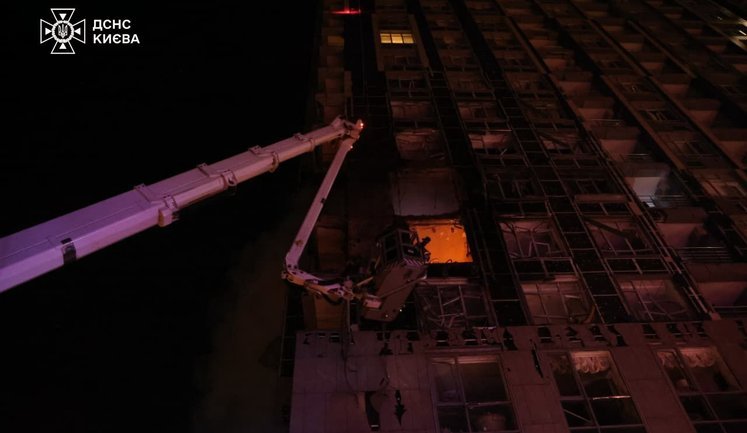
The shelling of Kyiv has intensified with multiple drone and missile attacks launched by Russian forces targeting key infrastructure and residential areas. Recent developments have seen Ukrainian officials, including Mayor Vitali Klitschko, urging residents to prepare for potential disruptions by stocking up on essentials. On February 26, a strike led to significant damage in several districts, with multiple injuries reported. The Kyiv City Military Administration has been actively responding to these threats, maintaining public safety, and addressing misinformation. The use of drones, particularly the "Lancet," marks an escalation in tactics, causing considerable concern among the populace. International reactions emphasize strong condemnation, reflecting growing global solidarity with Ukraine as the situation unfolds.
How severe has the shelling of Kyiv been in recent months?
The shelling of Kyiv has been severe, with numerous drone and missile attacks hitting key infrastructure and residential buildings. Recent attacks have resulted in casualties, significant damages, and disruptions to essential services, highlighting the growing intensity and scope of these operations.
What are the main targets of Russian attacks on Kyiv?
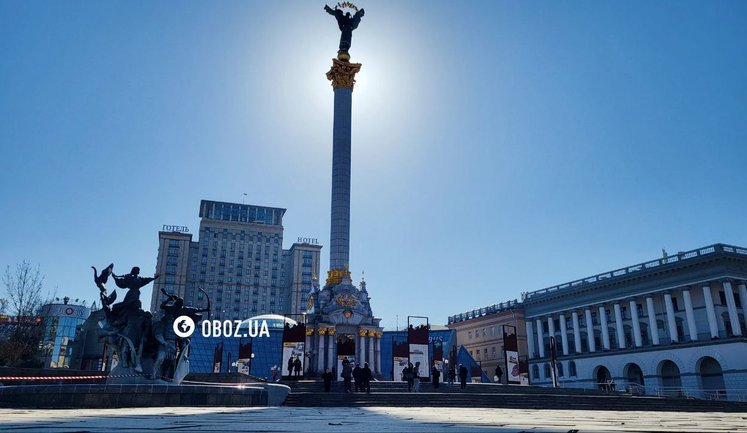
The main targets of Russian attacks on Kyiv include vital infrastructure such as power and water supply facilities, residential areas, and symbolic sites like the Kyiv-Pechersk Lavra and the Independence Square. These attacks aim to disrupt civilian life and demoralize the population.
How is the Ukrainian government responding to the shelling of Kyiv?
The Ukrainian government is actively responding by increasing air defense measures, disseminating safety advisories, and coordinating emergency responses. Authorities also work to counter misinformation and prepare citizens for potential service disruptions. International aid and support have been sought to bolster these efforts.
What has been the international response to the shelling of Kyiv?
The international response includes widespread condemnation from governments and organizations worldwide. Support is expressed through diplomatic channels, financial aid, military assistance, and humanitarian efforts aimed at alleviating the impact on civilians and reinforcing Ukraine's defense capabilities.
What recommendations have been given to the residents of Kyiv?
Residents are advised to stock up on essential supplies such as food, water, and medicines, as well as to maintain communication with official sources for updates. Those with the option to relocate temporarily are encouraged to do so to ensure personal safety amid continued threats.
Have any specific sites in Kyiv been affected by the shelling?
Yes, specific sites like the Kyiv-Pechersk Lavra have been damaged. Residential areas, infrastructure, and public spaces have also suffered, with recent attacks causing structural damage, fires, and resultant casualties. Strikes have been noted across several city districts.
What precautionary measures are recommended by local authorities?
Local authorities recommend residents remain vigilant, follow official advisories, and prepare emergency kits. Updates through official channels should be monitored for guidance on safe areas and evacuation procedures as the situation develops.
How have recent attacks affected the population's living conditions in Kyiv?
Recent attacks have disrupted living conditions by damaging essential services like power and heating during cold weather. This has led to residents being urged to use substitute arrangements such as shelters and alternative heating solutions for safety and comfort.
Is there evidence of increased Russian military activity around Kyiv?
Yes, increased Russian military activity has been reported, particularly with the use of drones for reconnaissance and attacks. Efforts to strengthen Kyiv's defenses highlight the need to address both technological and conventional military threats facing the city.