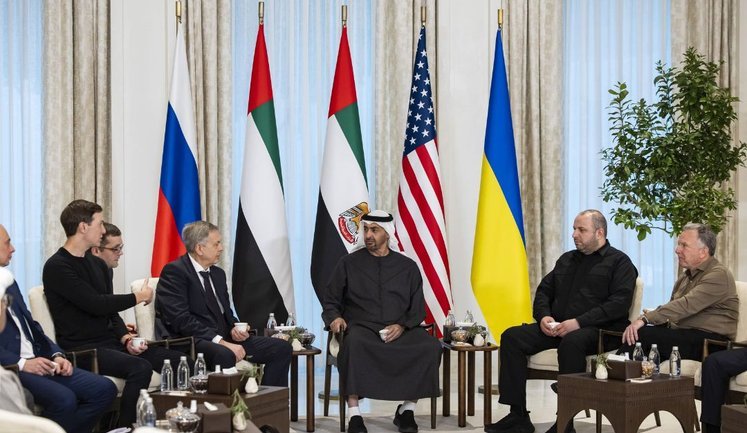
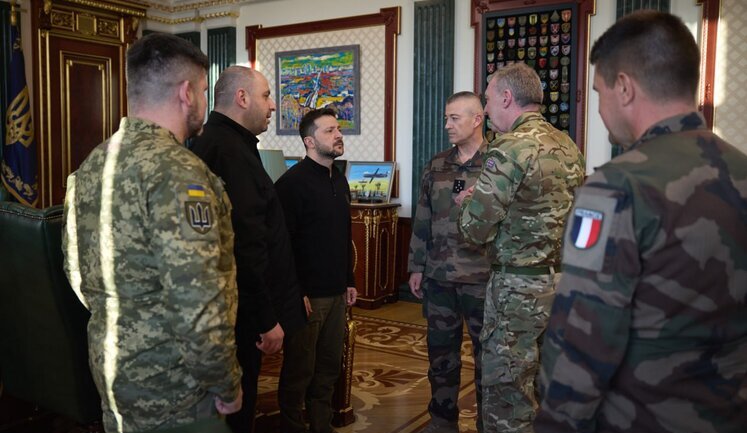
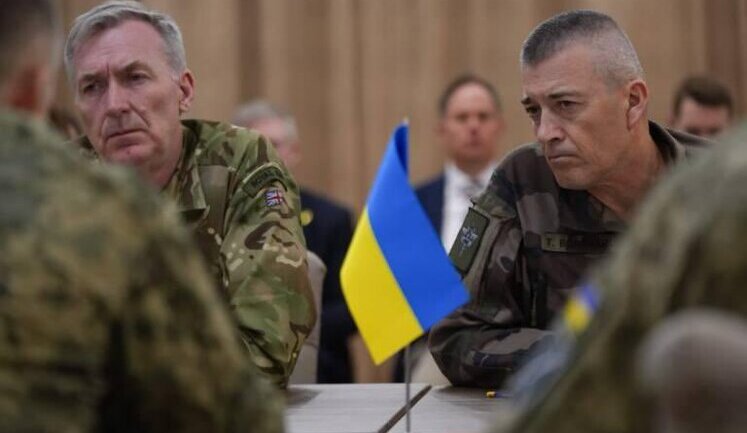
The prospect of deploying foreign peacekeepers to Ukraine has been gaining traction as European nations, under the "Coalition of the Willing," consider sending up to 15,000 troops. Swiss and Indonesian readiness for peacekeeping under UN or OSCE mandates highlights global interest. However, leaders like Zelenskyy emphasize deployment only post-ceasefire or peace treaties. While NATO Secretary General Mark Rutte states Ukrainian consent is paramount, nations like Germany and Finland express hesitancy. Challenges such as securing public support in Europe and opposition from Russia add complexity. Despite these hurdles, contingent plans remain active, pending cessation of hostilities.
What are the conditions for deploying peacekeepers in Ukraine?
The deployment of peacekeepers in Ukraine is contingent upon a definitive ceasefire or peace treaty. Collaborative efforts are under discussion within the "Coalition of the Willing," which includes European nations and others willing to commit troops under international mandates. The deployment aims to maintain stability post-conflict.
Which countries are involved in the "Coalition of the Willing" for Ukraine?
The "Coalition of the Willing" includes several European and non-European nations prepared to send troops as peacekeepers to Ukraine. Key participants include countries like France, Britain, Germany, Switzerland, and Indonesia, each expressing varying degrees of readiness dependent on security developments and mandates by bodies like the UN or OSCE.
How does public opinion in Europe affect the deployment of troops to Ukraine?
Public opinion in Europe presents a significant challenge to deploying troops in Ukraine. While political leaders explore the potential of peacekeeping missions, a lack of public support in key EU countries acts as a major deterrent. Efforts to align public sentiment with political objectives are ongoing to solidify European involvement in Ukraine.
What role does the UN play in the peacekeeping efforts in Ukraine?
The UN plays a crucial role by potentially authorizing mandates for peacekeeping missions, providing legitimacy and international backing for troop deployment in Ukraine. Countries like Switzerland have indicated readiness to participate under such mandates, which underscores the importance of UN's role in facilitating peace and ensuring international cooperation.
Why is there hesitancy about sending peacekeepers to Ukraine?
Hesitancy stems from the political complexities and security risks associated with deploying foreign troops to Ukraine. Countries are wary of escalation, particularly regarding NATO and EU military involvement, which could potentially draw in larger military conflicts. Furthermore, decisions hinge on securing lasting peace agreements and mitigating opposition from nations like Russia.
Can peacekeepers be deployed in Ukraine without Russia's consent?
While Russia opposes foreign troop deployment, countries within the Coalition emphasize that Ukraine's consent is paramount. Diplomatic discussions are focused on ensuring Ukraine's sovereignty and decision-making independence, with NATO Secretary General Rutte highlighting that such decisions rest with Kiev, not Moscow, reinforcing Ukraine's autonomy.
Will NATO's involvement in Ukraine's peacekeeping mission create tension with Russia?
NATO's potential involvement could create tensions with Russia, which categorically opposes foreign troop presence in Ukraine. Given Russia's stance, diplomatic efforts are crucial in navigating these tensions, as NATO allies seek to balance security guarantees to Ukraine with maintaining broader regional stability to prevent further escalation.