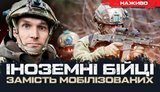
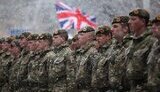
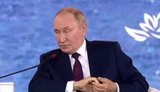
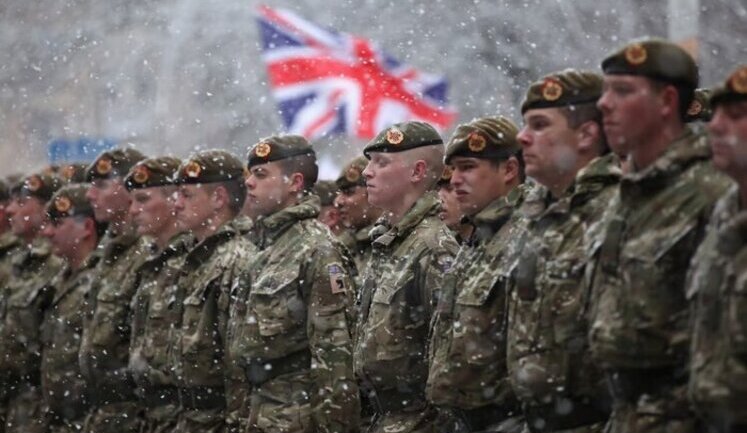
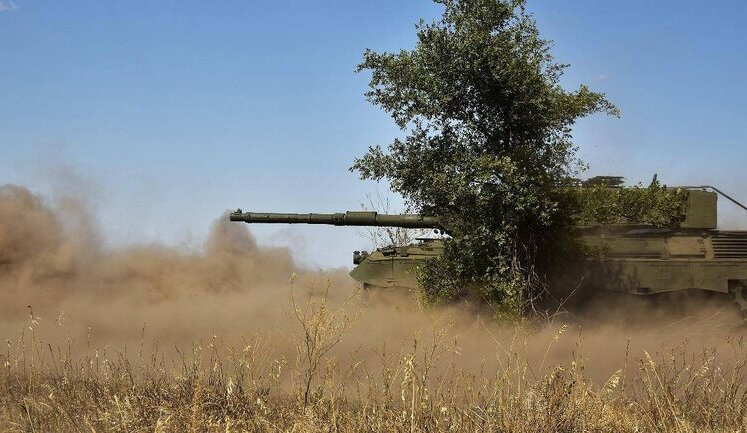
As tensions in Ukraine persist, several European nations, including the UK, Belgium, and Lithuania, have announced their readiness to send troops to Ukraine as part of peacekeeping missions or security guarantees. The European Commission has developed a clear roadmap for such deployment, and NATO is likely to play a key role. However, the deployment of foreign troops remains a contentious issue, with Russia labeling it as unacceptable foreign intervention. Statements by leaders like Dmitry Peskov and Vladimir Putin indicate ongoing discussions about foreign military presence in Ukraine. Meanwhile, NATO continues to evaluate conditions for troop deployment, balancing European countries' willingness to participate in the process with political and logistical considerations.
Are European countries ready to send troops to Ukraine?
Several European countries, including the UK, Belgium, and Lithuania, have expressed readiness to deploy troops to Ukraine. The conditions for such deployment are still under discussion, focusing on peacekeeping and security guarantees once a ceasefire is reached.
What has NATO's role been in the potential deployment of foreign troops in Ukraine?
NATO is exploring command and control systems and early warning aircraft to facilitate the deployment of European forces in Ukraine. The organization aims to coordinate efforts, but the actual deployment will depend on meeting specific conditions and security assurances.
What are Russia's views on foreign military presence in Ukraine?
Russia, through statements from leaders like Dmitry Peskov and Vladimir Putin, considers the deployment of foreign military troops in Ukraine as an unacceptable intervention. While acknowledging it as a discussion topic, Russia strongly opposes the idea, raising concerns over sovereignty and regional security.
Is there a plan for deploying foreign troops in Ukraine?
The European Commission has laid out a clear roadmap for potential troop deployment in Ukraine. This includes creating separate ground groups to facilitate peacekeeping efforts, contingent upon the approval of a ceasefire and subsequent security agreements by European countries.
What challenges do European countries face in deploying troops to Ukraine?
European countries face logistical and political challenges in deploying troops to Ukraine. The capacity and readiness of countries are influenced by political traditions and constitutional constraints. Coordination through NATO is essential, but achieving consensus remains a challenge.
What did leaders say about the deployment timetable for foreign troops in Ukraine?
European and NATO leaders agree that it is premature to discuss a precise timetable for troop deployment. Key conditions must be met, including a ceasefire and international security guarantees, before foreign troops can be deployed for peacekeeping in Ukraine.
Which countries express hesitancy or conditions for sending troops to Ukraine?
Countries like Finland and Latvia have expressed caution, indicating that conditions need to be met before considering troop deployment. These typically include security guarantees and a comprehensive peace agreement that respects each country's political landscape and public opinion.