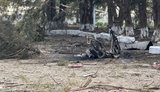
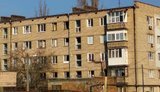
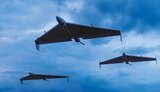
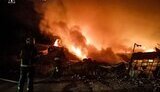
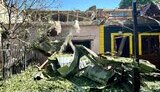
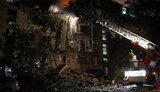
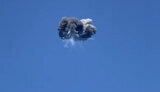
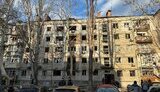
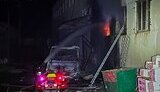
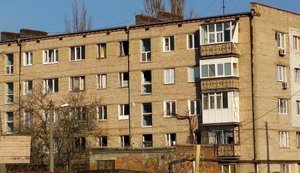
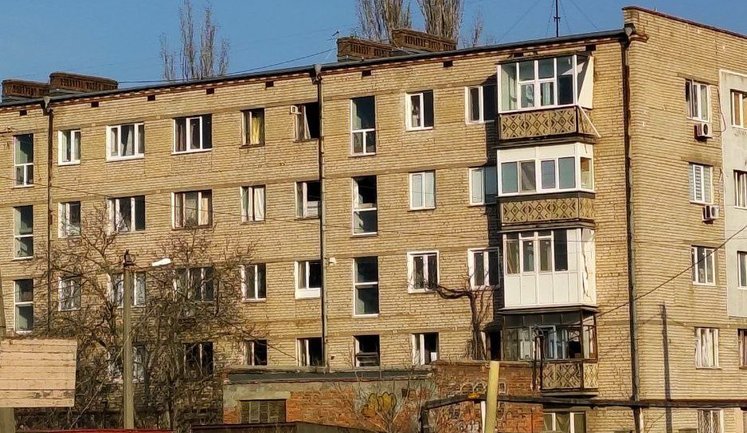
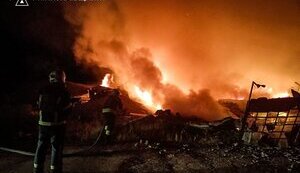
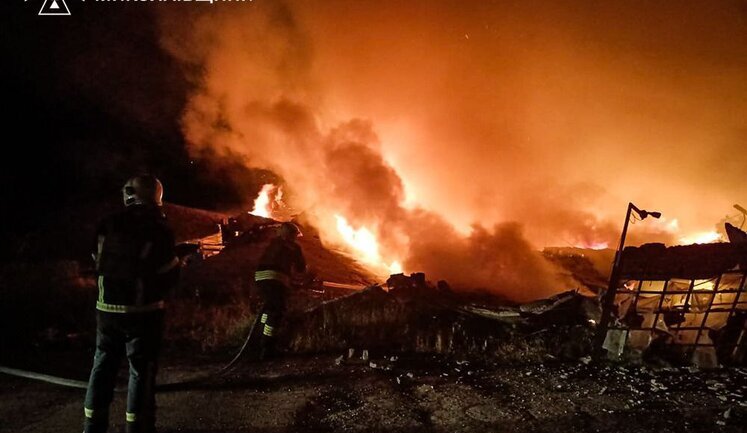
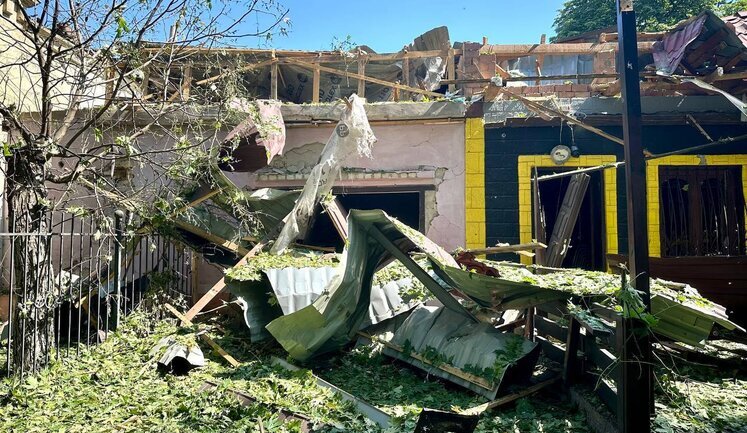
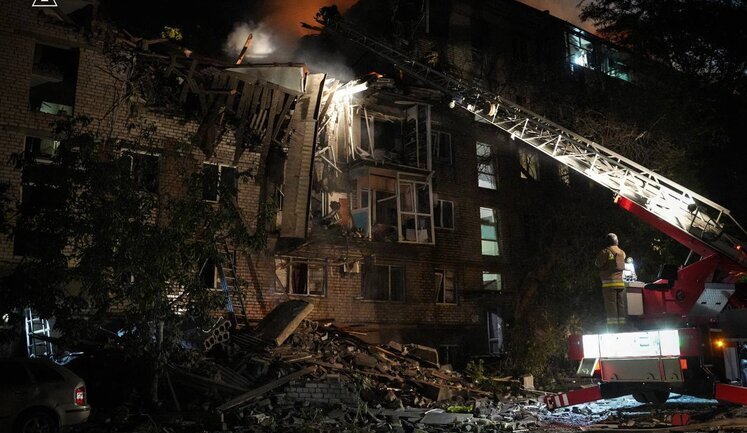
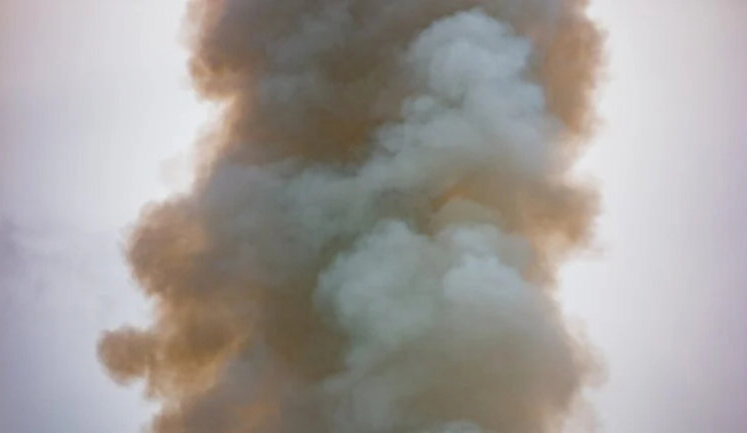
The drone attacks on Mykolaiv have become a continuous threat this year, with multiple incidents leading to significant infrastructure damage and casualties. Most recently, on December 18, Russian troops used drones to strike the Sumy community and target energy infrastructure in the Mykolaiv region. Earlier in November, a morning drone attack left six people wounded, with three in critical condition. The region faced consecutive assaults in July, causing fires and severely impacting transport facilities. The usage of both "Shahed" and unidentified jet-powered UAVs represents a strategic move aimed at destabilizing this critical Ukrainian region. These assaults have led to human casualties, including a tragic incident in May where a teenager was among the wounded. Local defenses, though occasionally successful, remain under pressure as the conflict persists.
What impact have drone attacks had on Mykolaiv's infrastructure?
The drone attacks on Mykolaiv have caused substantial damage to energy and transport infrastructure. Critical public services have been disrupted, leading to extensive rebuilding efforts and a hampered local economy. The ongoing threat puts further strain on emergency response teams working to restore essential facilities.
How has the international community responded to drone attacks in Mykolaiv?
The international community has condemned the drone attacks on Mykolaiv, calling for increased sanctions against Russia. Aid and support have been pledged to assist the Ukrainian government in bolstering its air defenses and providing humanitarian assistance to affected communities.
What types of drones have been used in attacks on Mykolaiv?
The attacks on Mykolaiv have predominantly involved "Shahed 131/136" drones, along with some instances of unidentified jet-powered UAVs. These drones are part of a tactical approach aimed at disrupting key infrastructure and instilling fear among the civilian population.
Have there been any successful defenses against the drones in Mykolaiv?
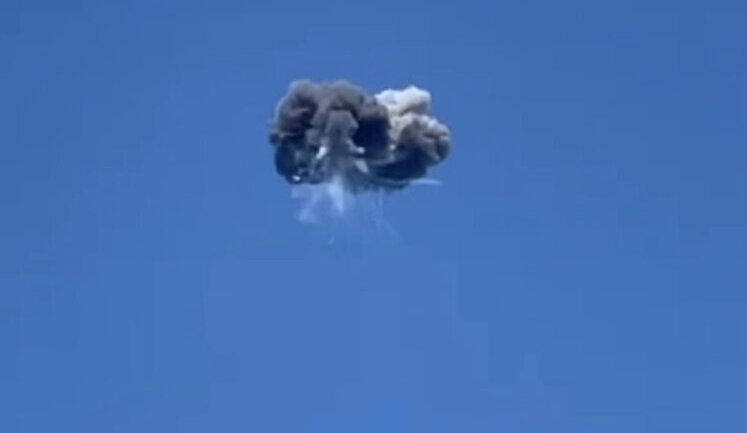
Despite the frequency and intensity of the attacks, there have been instances where the Mykolaiv air defense systems successfully intercepted and downed drones, preventing further damage. These successes highlight the resilience and growing capabilities of the local defense strategies despite limited resources.
What measures are being taken to protect Mykolaiv from further drone attacks?
The Ukrainian government is actively enhancing its air defense systems and seeking international support to strengthen these efforts. Locally, authorities in Mykolaiv are implementing heightened security protocols and public awareness campaigns to mitigate risks and safeguard critical infrastructure against ongoing aerial threats.
How are the residents of Mykolaiv coping with the continuous drone attacks?
Residents of Mykolaiv are enduring significant challenges due to the relentless drone attacks. Community resilience is strong, with local and national efforts focused on humanitarian aid, psychological support services, and restoration of normalcy to help citizens cope with the disruption and trauma induced by these assaults.
What humanitarian support is available for victims of the Mykolaiv drone attacks?
Humanitarian aid for victims of the Mykolaiv drone attacks includes medical assistance, temporary housing, and psychological counselling. NGOs and international bodies are coordinating efforts to deliver necessary supplies and support services to individuals and families affected by the conflict.
Are there any long-term plans for rebuilding Mykolaiv post-drone attacks?
Long-term rebuilding plans for Mykolaiv involve infrastructure reconstruction, investment in resilient systems, and community-focused renewal projects. The government, alongside international partners, is developing strategic frameworks to restore the region's stability and stimulate economic recovery.