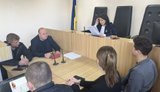
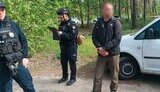
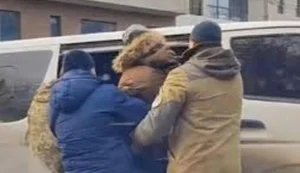
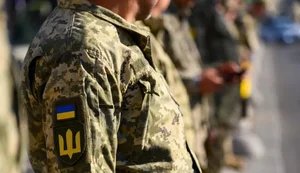
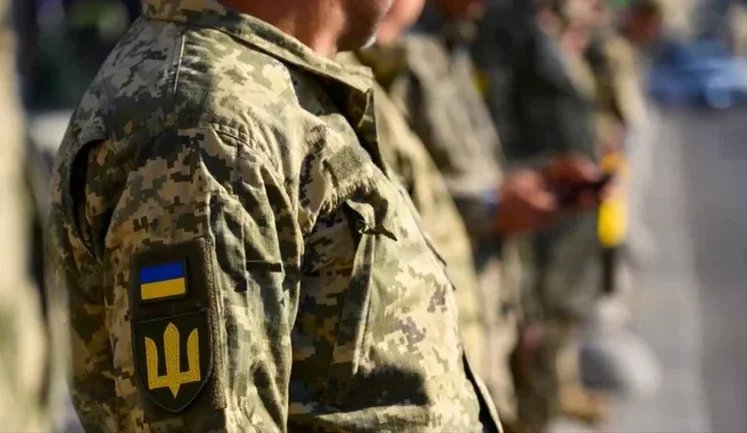
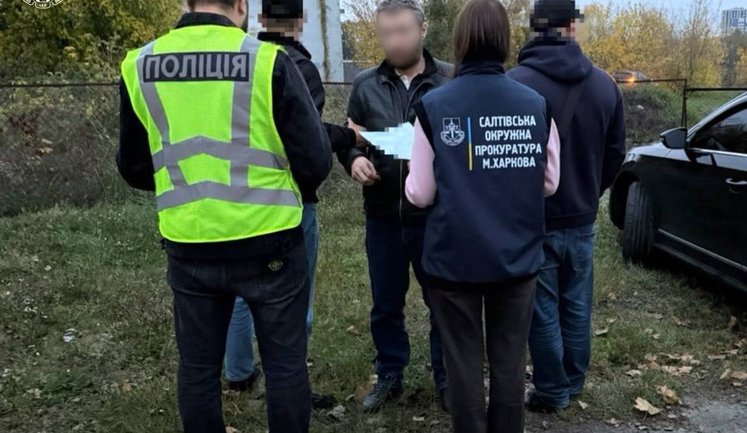
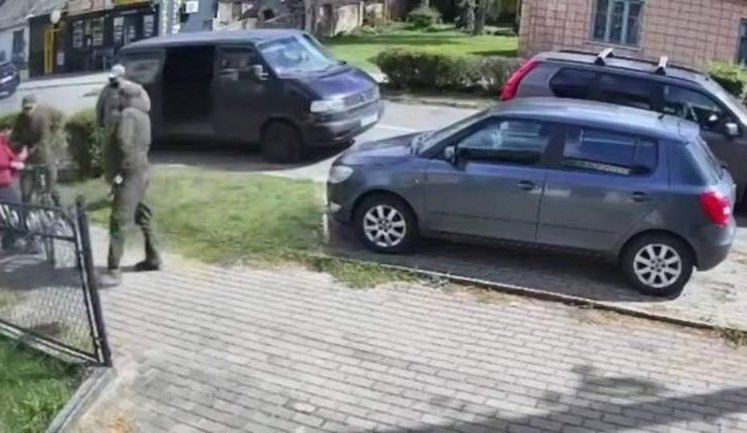
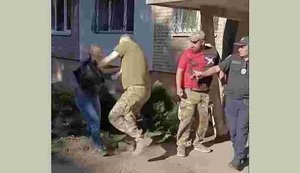
The Territorial Centre of Recruitment (TCR) in Ukraine is at the center of a mounting conflict as several incidents across various regions reveal increasing tension between military personnel and civilians. In Volyn, a viral video misidentified a 30-year-old man as a "busified child," highlighting misinformation. Meanwhile, in Lviv and Odesa, confrontations led to internal investigations, as videos surfaced showing conflicts with civilians, including a woman being thrown into a flower bed by a TCR officer, and a teenager being struck. As incidents escalate, the Ukrainian Ministry of Defense and President Zelenskyy have condemned the violence, stressing the need for improved mobilization methods. The situation remains volatile, with widespread scrutiny over recruitment practices and a growing number of complaints received by the Ombudsman.
What is the TCR in Ukraine and what conflicts are they involved in?
The Territorial Centre of Recruitment (TCR) in Ukraine is responsible for mobilization and recruitment. Recently, they have been involved in conflicts with civilians across various regions, such as Volyn, Lviv, and Odesa. These conflicts have led to violence, investigations, and numerous complaints about their practices.
How are the Ukrainian authorities responding to the conflict involving TCR?
Ukrainian authorities, including the Ministry of Defense and President Zelenskyy, have responded by condemning the violence and calling for improved methods of mobilization. Internal investigations are being conducted, and efforts to address public concerns are underway to de-escalate the situation.
Are there specific incidents highlighting the conflict with TCR in Ukraine?
Yes, notable incidents include the misidentification of a man in Volyn as a child, a confrontation in Lviv involving a civilian woman, and a conflict in Odesa where a teenager was struck. These events have resulted in public scrutiny and highlighted issues in recruitment practices by TCR.
What criticisms are being leveled against the TCR in Ukraine?
Criticisms include the aggressive approach in recruitment, lack of transparency, and violations of civilians' rights during mobilization. The Ombudsman received about 5,000 complaints regarding TCR's practices, indicating widespread concern over their operations.
What actions or measures have been suggested to resolve issues with TCR?
Suggested measures include improving mobilization methods, conducting thorough investigations of incidents, ensuring accountability, and enhancing communication between military and civilian sectors. These actions aim to address grievances and restore public trust.
What impact have the conflicts with TCR had on public perception in Ukraine?
The conflicts have negatively impacted public perception, leading to intensified scrutiny and criticism of TCR practices. The incidents have sparked significant media attention and public discourse, putting pressure on authorities to address the issues effectively.
Are there any reforms being considered for the TCR amid these conflicts?
Amid the conflicts, reforms under consideration include reviewing reservation policies, ensuring fair treatment during mobilization, and enhancing transparency in recruitment processes. These reforms aim to address the root causes of the conflicts and improve the overall system.
How have the media and public responded to the TCR incidents in Ukraine?
The media has widely covered the incidents, highlighting various angles of the conflicts with TCR. Public response has been a mix of outrage, calls for accountability, and demands for reform, reflecting a critical view of both the TCR's actions and the broader recruitment system.
What are the potential long-term effects of ongoing TCR conflicts in Ukraine?
Long-term effects could include significant changes in recruitment policies to prevent future conflicts, potential legal repercussions for those involved in inappropriate actions, and a shift in public trust towards military and government institutions if issues remain unresolved.