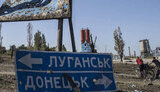
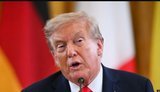
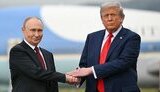
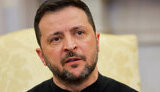
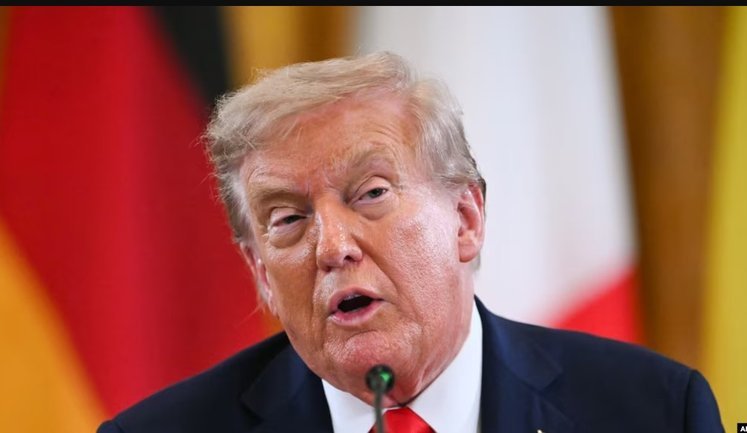
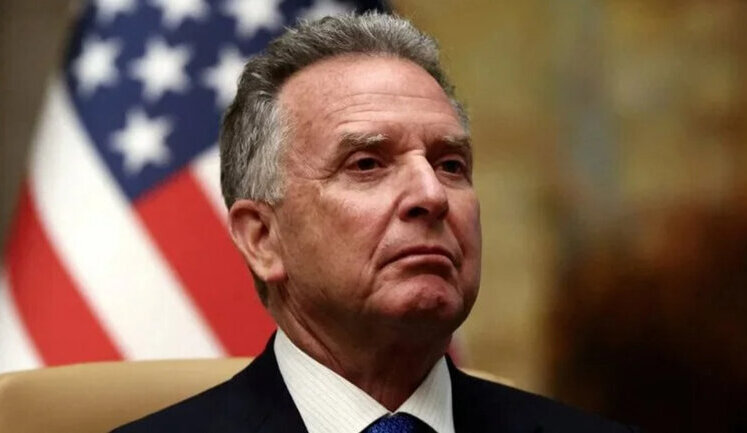
Amidst ongoing peace talks, a significant majority of Ukrainians, about 62%, oppose relinquishing Donbas in exchange for security assurances. President Zelenskyy has reiterated Ukraine's stance against conceding any territories, which aligns with public sentiment and national law. The European Union's leadership, including Ursula von der Leyen, has upheld Ukraine’s sovereignty, emphasizing the dangers of enforced territorial division, which could lead to broader conflicts. Meanwhile, contrasting views from international voices, like those of President Trump, suggest possible territorial control shifts, further complicating the diplomatic landscape. This ongoing debate underscores the contentious issue of Ukrainian territorial integrity in the quest for a lasting peace agreement.
What is the current sentiment in Ukraine regarding territorial concessions?
The majority of Ukrainians are against making territorial concessions to Russia. Recent polls indicate that about 62% of the population opposes handing over regions like Donbas for any form of security guarantee. This sentiment reflects a strong nationalistic view and a commitment to maintaining Ukraine's territorial integrity.
How does President Zelenskyy view the idea of ceding territory to Russia?
President Zelenskyy firmly opposes ceding any Ukrainian territory to Russia as part of peace negotiations. He has stated that this would not only go against national laws but also contradict the sentiments of the Ukrainian people, who overwhelmingly reject such concessions.
What position have European leaders taken on the territorial disputes involving Ukraine?
European leaders, such as Ursula von der Leyen, have consistently supported Ukraine's sovereignty, calling for the prevention of any forceful redrawing of borders. They stress the importance of maintaining pressure on Russia to ensure that any peace talks do not come at the cost of Ukraine's territorial integrity.
How are the U.S. and Russia influencing Ukraine's territorial issues?
The U.S. and Russia play significant roles in Ukraine's territorial issues. While Russia demands full control over certain regions, the U.S. has seen differing opinions within its administration, with voices like those of President Trump suggesting that Russia might gain territory amidst ongoing peace discussions.
What repercussions could result from Ukraine ceding territory?
Ceding territory could lead to destabilization in the region and further embolden Russian aggression. It might set a dangerous precedent for other nations and could potentially lead to a loss of Ukraine's sovereignty and international support, harming its long-term security and diplomatic standing.