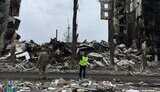
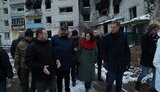
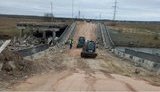
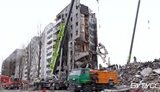
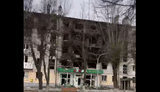
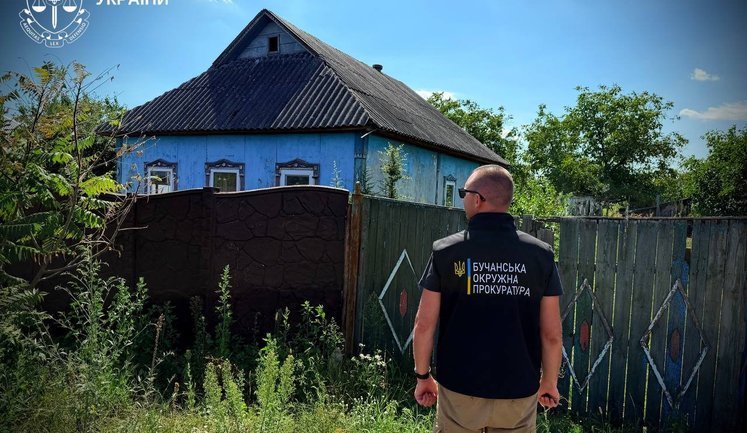
Borodyanka, a key area in Kyyivska region, Ukraine, remains central to news due to the impacts of the Russian-Ukrainian conflict. Legal proceedings have highlighted cases like the conviction of Russian soldiers for war crimes against civilians and misuse of funds designated for rebuilding. The area also showcases reconstruction efforts, including new police facilities and experimental projects under the "better than it was" approach. International attention is evident as leaders from Belgium, Moldova, and Slovakia have visited, emphasizing global support. Despite progress, the community faces challenges, such as unresolved missing persons cases and financial misappropriations, underscoring ongoing needs and efforts in Borodyanka.
What legal actions have been taken against Russian soldiers in Borodyanka?
Two Russian soldiers were sentenced to 10 and 12 years for using civilians as 'human shields' and for shelling homes in Borodyanka. This case is part of broader legal actions addressing war crimes committed during the occupation.
How significant is the reconstruction progress in Borodyanka?
Reconstruction in Borodyanka includes opening a new police station and starting experimental projects to rebuild communities with modern standards. These efforts are crucial in restoring normalcy and rebuilding the affected areas.
What international support has Borodyanka received recently?
International leaders such as the Belgian Prime Minister and the President of Moldova have visited Borodyanka, showing support and solidarity with Ukraine. Their visits underscore the global acknowledgment of Borodyanka's situation.
What are the key challenges Borodyanka faces post-occupation?
Borodyanka faces challenges such as a significant number of unresolved missing persons cases since liberation. Additionally, financial mismanagement has hampered restoration efforts, raising concerns over effective use of funds.
What experimental projects are being implemented in Borodyanka?
Borodyanka is part of an experimental reconstruction project aiming to apply the "better than it was" principle, intending to build back communities with improved standards and infrastructure, fostering resilience and development.