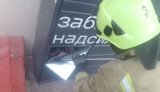
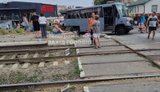
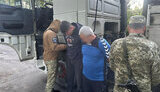
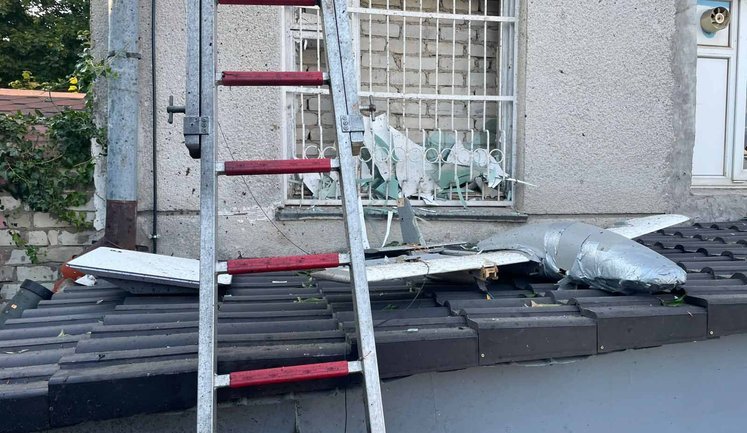
The Rivne region has been the center of various significant events, impacting both local and national safety. A recent powerful explosion in the village of Varkovychi caused a fire at a polystyrene foam plant, leading authorities to advise residents to remain indoors due to the spreading smoke. Meanwhile, border guards have dismantled an illegal network smuggling conscription-age men across the Ukrainian border, causing national security concerns. In a separate incident, widespread protests erupted as communities rallied for the reinstatement of a defense minister. These events highlight the ongoing social and security challenges facing the Rivne region.
What caused the fire in Varkovychi, Rivne region?
The fire in Varkovychi, Rivne region, was caused by a powerful explosion at a polystyrene foam plant. The explosion led to a significant fire, resulting in local authorities advising residents to close windows and follow safety measures due to heavy smoke.
How are authorities addressing illegal smuggling in Rivne?
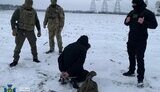
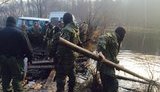
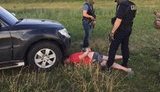
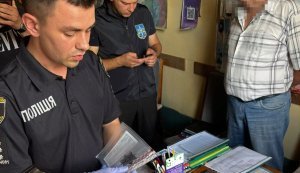
In the Rivne region, border guards uncovered a scheme involving illegal smuggling of men through the use of Telegram channels. This operation was promptly dismantled by the 9th Border Guard Detachment, who identified and intervened against the individuals involved.
What led to the recent protests in Rivne region?
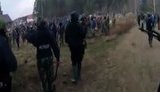
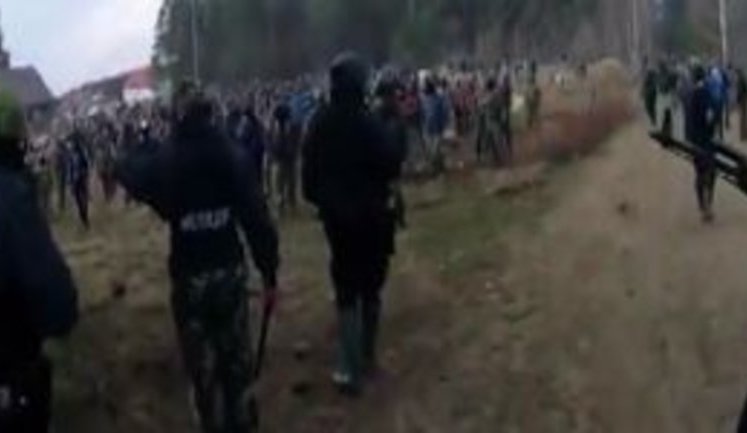
Protests in the Rivne region are largely in support of reinstating defense minister Mykhailo Fedorov while opposing Commander-in-Chief Oleksandr Syrskyi. These rallies, part of a larger national movement, reflect political and military tensions prevalent in Ukraine.
What impact has illegal amber mining had in Rivne?
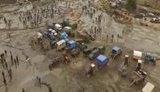
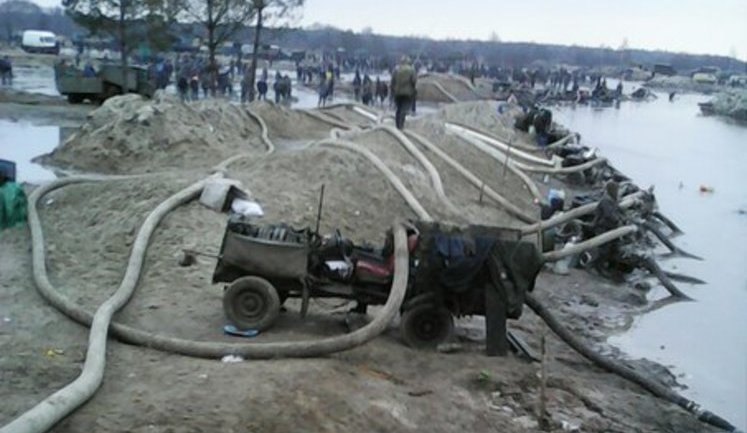
Illegal amber mining in Rivne has led to substantial environmental degradation, with over 50 hectares of fertile soil and more than 700 trees destroyed. This activity highlights the pressing need for regulating and protecting natural resources in the area.
What was the response to the train collision in Rivne?
The train collision in Rivne region tragically resulted in four deaths and several injuries, including children. Rescue operations ensued immediately, and investigations were launched to determine the cause and prevent future incidents of this nature.