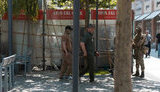
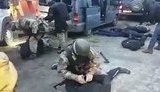
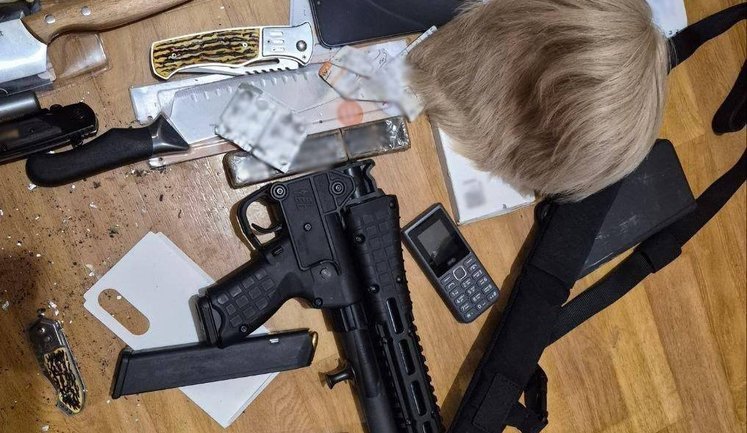
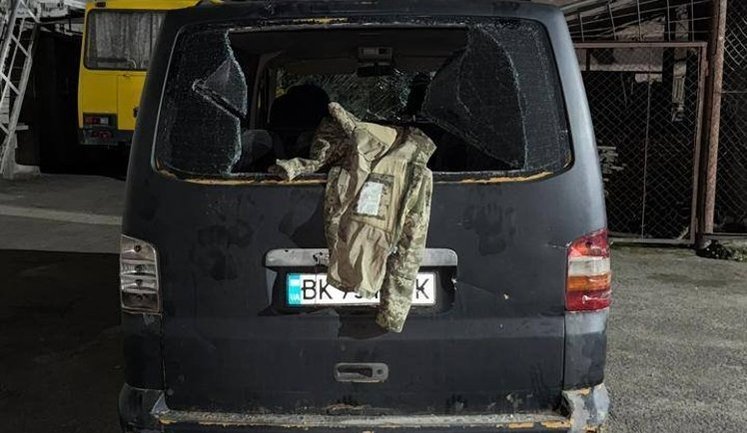
Amid escalating tensions in Ukraine, assaults on Territorial Center for Recruitment (TCR) and law enforcement personnel have reached alarming levels. Recent incidents in Kharkiv and Zaporizhzhia highlight the grim reality. A man wielding a knife attacked TCR members in Kharkiv, resulting in fatalities and injuries. Similarly, in Zaporizhzhia, a suspect's use of a knife and tear gas against police during a search left three officers wounded. Such frequent assaults not only endanger lives but also raise questions about the effectiveness of current security measures. With Russia threatening potential attacks, Ukraine must bolster its security apparatus to protect its servicemen.
Why are there increasing assaults on TCR in Ukraine?
The increase in assaults on the Territorial Center for Recruitment (TCR) in Ukraine is likely due to heightened social tensions and opposition to military mobilization efforts. As the conflict with Russia persists, societal divisions and anti-military sentiments can fuel aggression against recruitment entities. This uptick also reflects broader security challenges that Ukraine faces in maintaining public order and protecting its military personnel.
What are the consequences of attacks on TCR personnel?
Attacks on TCR personnel pose several grave consequences: they undermine recruitment efforts critical for national defense, endanger the safety of service members, and contribute to a climate of fear and instability. Furthermore, such incidents could demoralize troops and lead to public distrust in the government's ability to ensure security, thereby complicating military and defense strategies against external threats.
How are police responding to the wave of violence against TCR and law enforcement?
In response to these violent incidents, the police have increased patrols and heightened alert levels nationwide. They are employing more rigorous security protocols and maintaining a more substantial presence in high-risk areas. Moreover, law enforcement agencies are collaborating with military units to address the underlying causes of these tensions and ensure swift intervention during conflicts, while also enhancing investigations to deter future offenses.
What measures are being taken to protect TCR members from attacks?
To enhance the security of TCR members, Ukrainian authorities are implementing multiple protective measures. These include increased security training, updated equipment for self-defense, and improved communication systems with law enforcement. Additionally, there is an emphasis on intelligence gathering to predict potential threats and coordination with local communities to foster support and vigilance against disruptive activities targeting military personnel.
Are recent attacks in Ukraine linked to potential Russian aggression?
While not all incidents are directly linked, there is an overarching concern that the volatile domestic environment and anti-military sentiment could be exacerbated by external threats, particularly Russia's aggressive posturing in the region. These internal attacks may weaken Ukraine's military readiness, providing leverage to adversaries like Russia. Thus, ensuring internal security is paramount in countering broader geopolitical challenges.
What are the implications of assaults for Ukraine’s military readiness?
Assaults against military personnel can severely compromise Ukraine's military readiness. They threaten the recruitment process, induce a climate of fear among servicemen, and result in manpower losses. This internal turbulence could impede operational effectiveness, detracting focus and resources from critical defense duties amidst regional threats, particularly against an assertive Russia aiming to exploit any weaknesses.