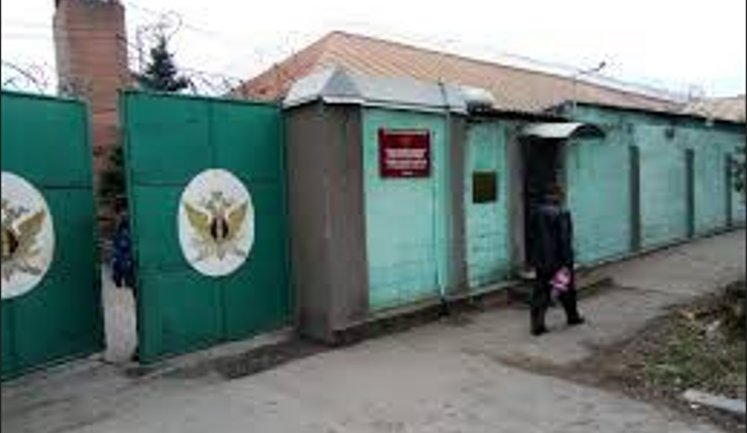
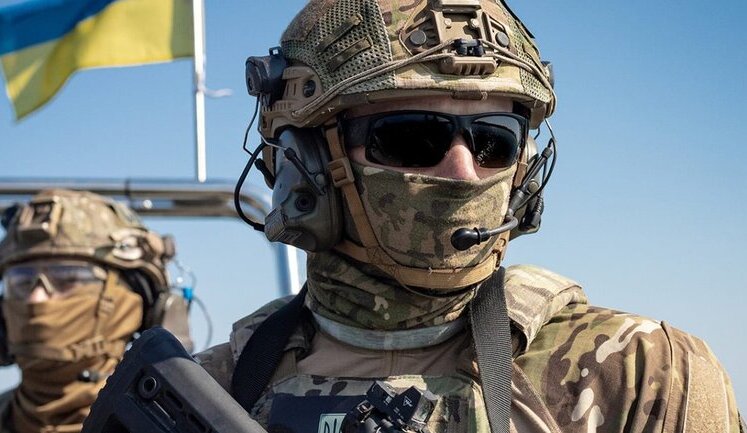
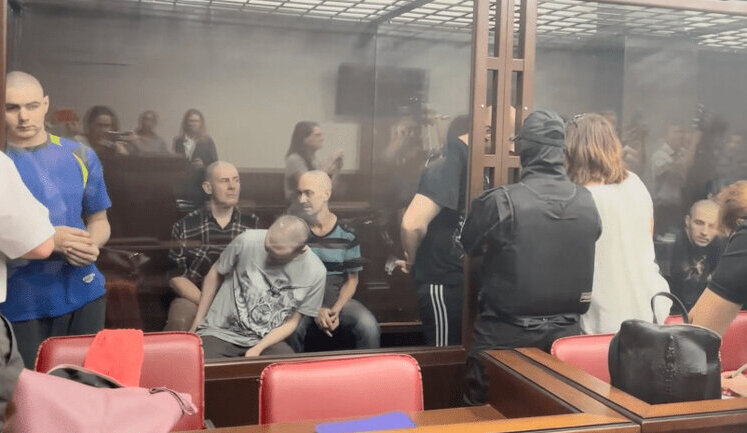
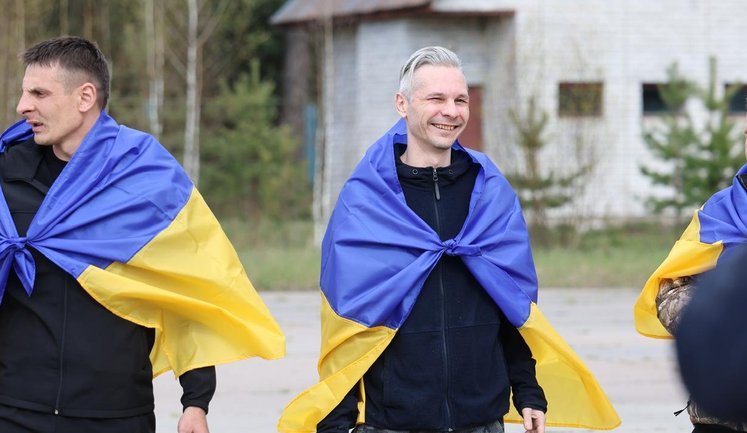
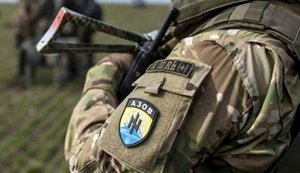
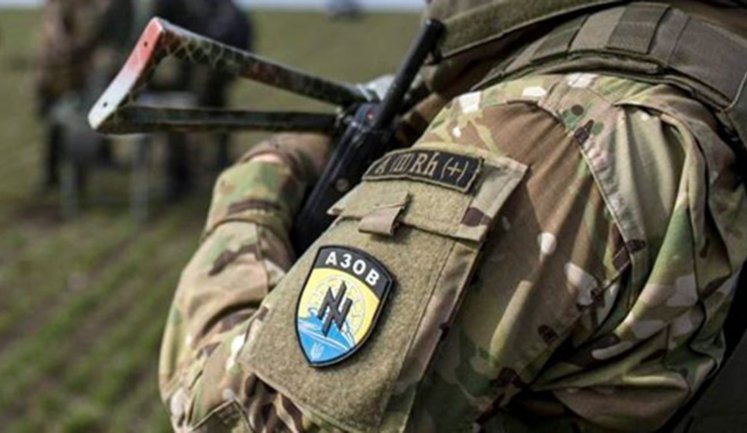
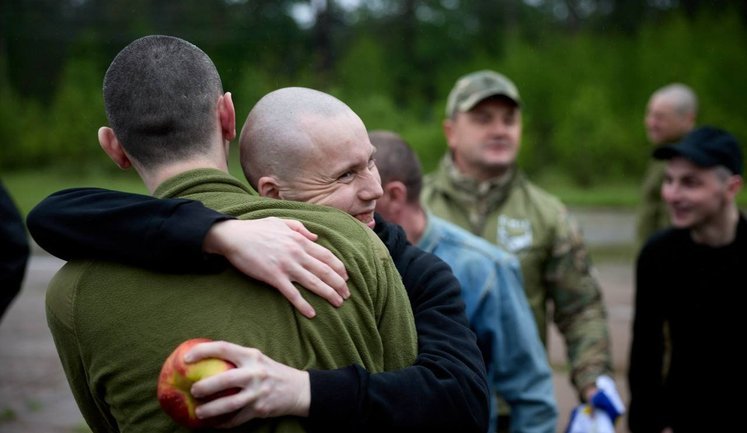
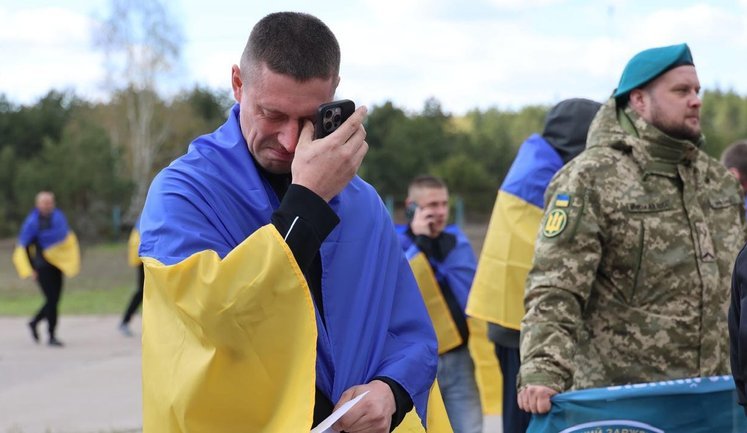
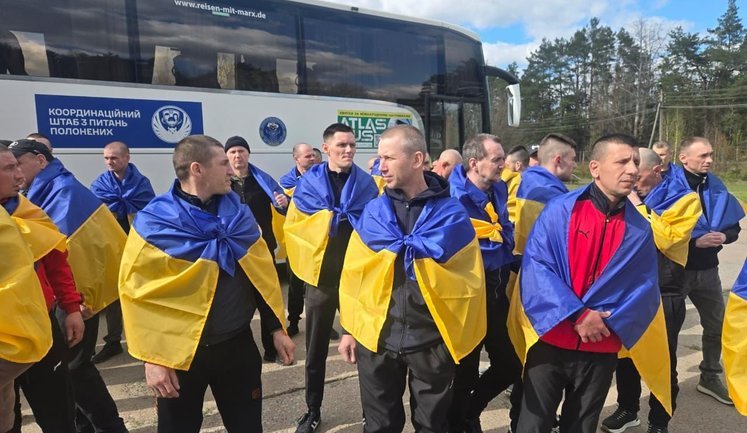
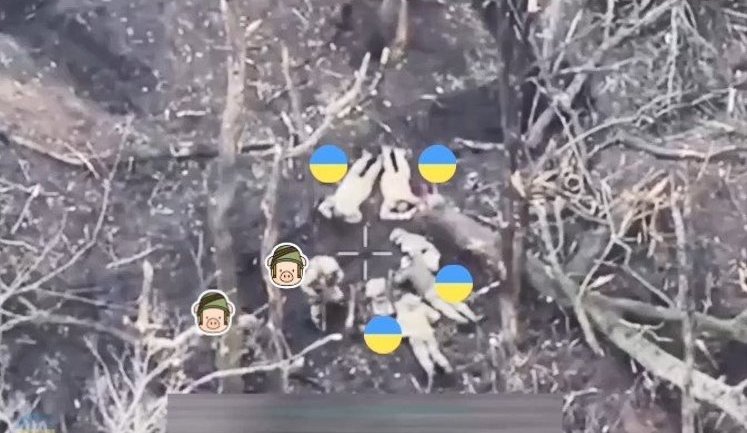
The ongoing negotiations and exchanges of POWs between Ukraine and Russia are significant developments in the conflict. Recent swaps have seen numerous Ukrainian servicemen return home, including a major exchange involving 193 defenders. Coordination efforts continue to facilitate these exchanges, aiming to bring back more captives. However, the process is fraught with challenges, including accusations of human rights violations. Reports of unlawful detention and mistreatment of prisoners underscore the humanitarian crisis at hand. As efforts persist, it's crucial to address these issues, emphasizing a humanitarian approach for prisoners on both sides.
What are the main challenges in POW exchanges between Ukraine and Russia?
The primary challenges involve negotiating terms amidst ongoing conflict, ensuring humane treatment of POWs, and addressing accusations of violations of international humanitarian laws. Both nations face difficulties in reaching mutual agreements that prioritize the human rights of prisoners.
How many POW exchanges have there been between Ukraine and Russia recently?
In recent times, there have been multiple exchanges, including the significant releases of 193 and 300 Ukrainian defenders. These exchanges are part of continued diplomatic efforts to resolve the humanitarian issues arising from the conflict.
What has been the impact of these exchanges on the overall conflict resolution efforts?
The exchanges have fostered some dialogue and cooperation between Ukraine and Russia, providing a foundation for broader conflict resolution discussions. However, they highlight persistent human rights concerns that must be addressed to achieve long-term peace.
What are the human rights concerns associated with the POW exchanges?
Main concerns include reports of torture, execution of prisoners, and inadequate legal processes. International organizations emphasize the need for adherence to humanitarian laws and transparent processes during and after exchanges to protect the rights of captives.
How does international law view the treatment of POWs?
International law, particularly the Geneva Conventions, mandates humane treatment of POWs, prohibiting torture and inhumane conditions. These laws call for exchanges and negotiations to prioritize the safety and welfare of prisoners, supporting peace and resolution efforts in conflicts.
What role do international organizations play in POW exchanges?
Organizations like the International Committee of the Red Cross (ICRC) are crucial in monitoring conditions, facilitating dialogues, and ensuring humanitarian standards are met. Their involvement aims to promote transparency and protect prisoner rights during exchanges.