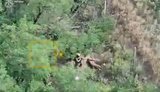
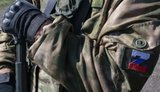
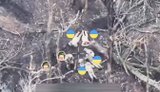
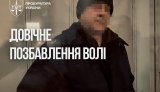
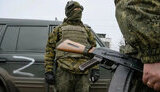
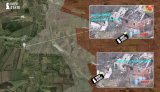
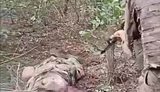
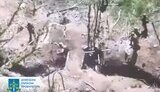
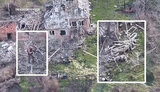
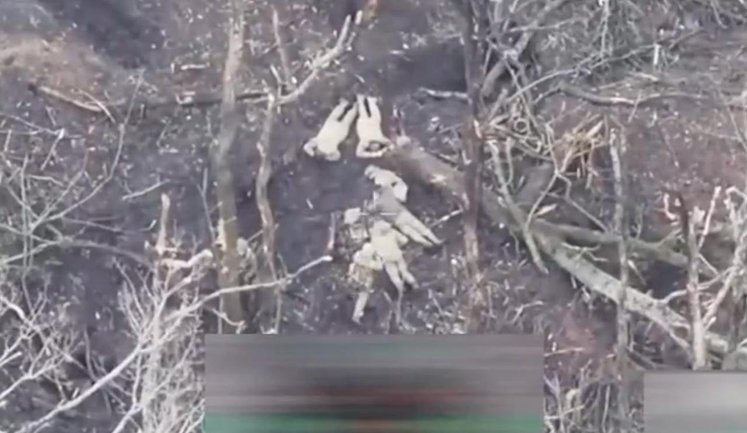
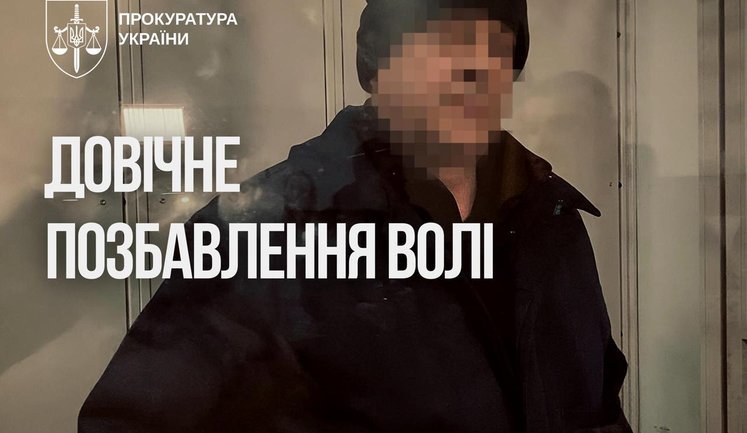
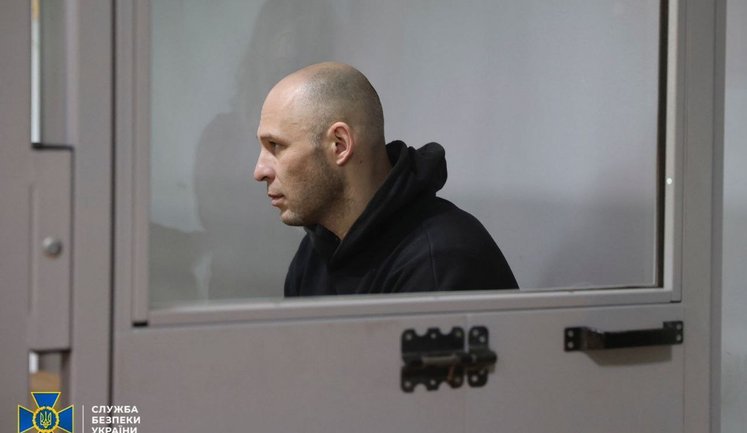
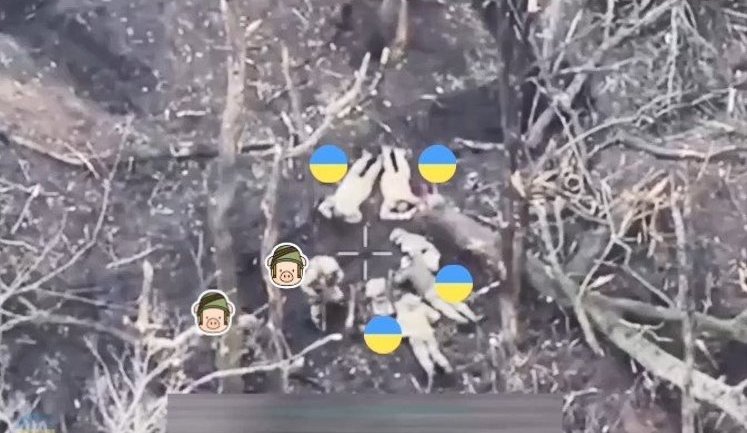
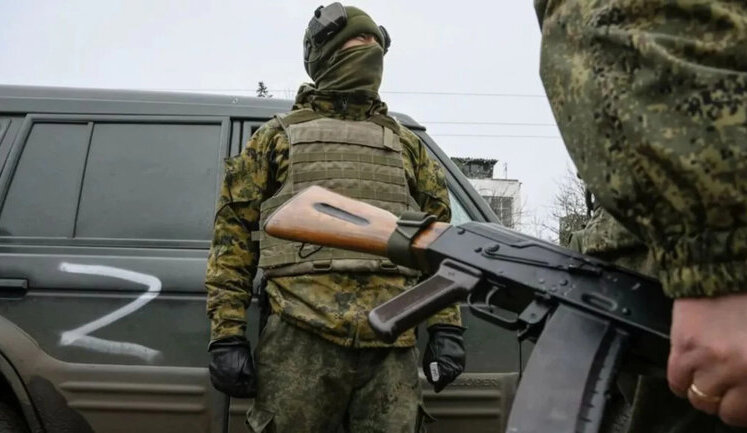
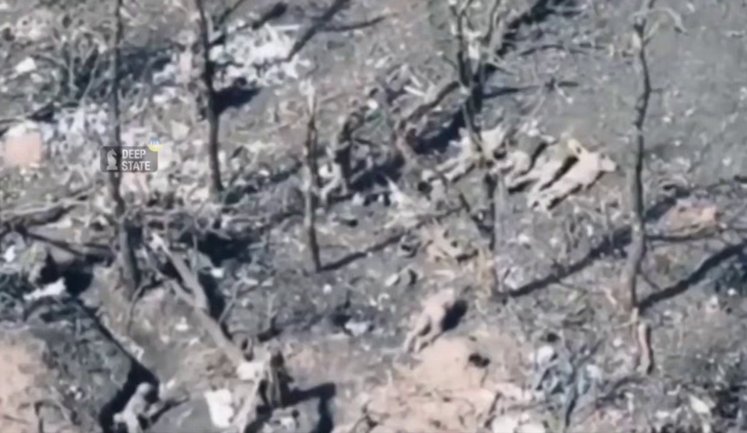
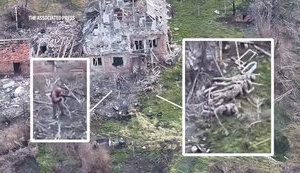
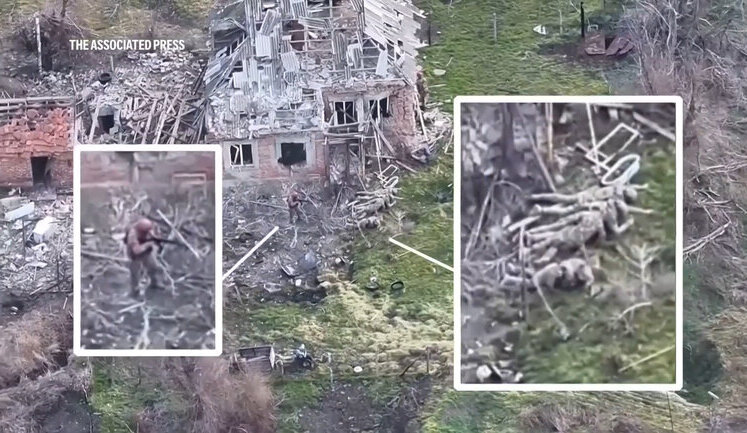
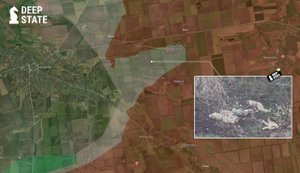
The execution of Ukrainian prisoners of war remains a critical issue in the ongoing conflict. A Kyiv court sentenced a Russian serviceman to life imprisonment for executing captured soldiers. Meanwhile, Ukraine's Armed Forces apprehended a Russian involved in such acts in the Kursk region. The Security Service of Ukraine gathered evidence leading to another life sentence for a war crime perpetrator near Vovchansk. Investigations are ongoing into shootings of POWs by Russian forces in multiple regions, including Donetsk and Zaporizhzhia. Disturbingly, intercepted audio reveals Russian commanders issuing orders to eliminate captured Ukrainian forces. Such actions underscore ongoing violations of international humanitarian law.
What sentences have been given to those responsible for executing Ukrainian POWs?
Several perpetrators have been sentenced to life imprisonment for executing Ukrainian POWs. Courts have found Russian servicemen guilty of war crimes based on evidence from Ukrainian authorities, reflecting the seriousness of these offenses under international law.
How has Ukrainian intelligence contributed to addressing war crimes involving POWs?
Ukrainian intelligence has played a crucial role by intercepting communications that reveal orders to execute prisoners. These interceptions provide essential evidence for prosecutions and international appeals concerning human rights violations and war crimes.
What legal actions are being taken against war criminals in the conflict with Ukraine?
Ukrainian authorities are actively prosecuting individuals for war crimes against POWs, leading to convictions and life sentences. International bodies are also being informed, as Ukraine seeks to leverage global pressure to halt these actions.
What evidence exists of orders from Russian commanders regarding POWs?
Intercepted audio and communications by Ukrainian intelligence reveal explicit orders from Russian commanders, instructing their forces to execute Ukrainian prisoners of war, amplifying the need for global intervention and justice.
How are international bodies involved in the response to execution of Ukrainian POWs?
International bodies like the UN and ICRC have been notified by Ukrainian officials about the execution of POWs, underscoring violations of international humanitarian law and seeking broader international intervention to address these atrocities.
What is the impact of war crime prosecutions on the conflict in Ukraine?
Prosecutions for war crimes serve as a deterrent, emphasizing accountability and justice amidst ongoing conflict. They highlight the commitment to international law and help galvanize international support against war crimes in Ukraine.
What are the challenges facing investigations into POW executions in Ukraine?
Investigations are challenged by the complex conflict environment, evidence gathering in active war zones, and the need for international cooperation. Despite obstacles, Ukrainian authorities are determined to hold perpetrators accountable.
How does the execution of POWs violate international humanitarian law?
Executing prisoners of war flagrantly violates the Geneva Conventions, which safeguard the treatment of captured combatants. Such acts are internationally recognized war crimes, prompting widespread condemnation and judicial action.
In what regions have executions of Ukrainian POWs been reported?
Executions of Ukrainian POWs have been reported in several regions including Donetsk, Zaporizhzhia, and Kharkiv. These areas have been focal points of conflict, with numerous instances of severe rights violations documented.
What role does the Ukrainian Armed Forces play in capturing suspects of POW executions?
The Ukrainian Armed Forces actively engage in capturing individuals suspected of executing POWs. Their actions demonstrate a commitment to justice and the protection of Ukrainian personnel and compliance with international norms.