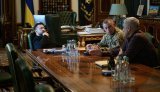
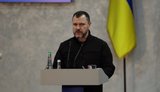
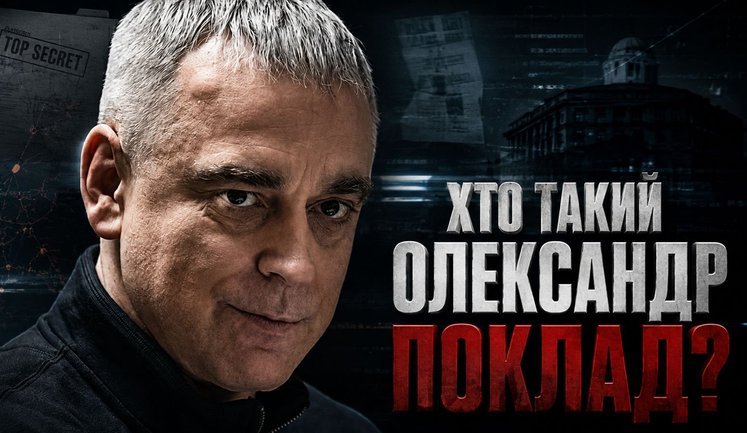
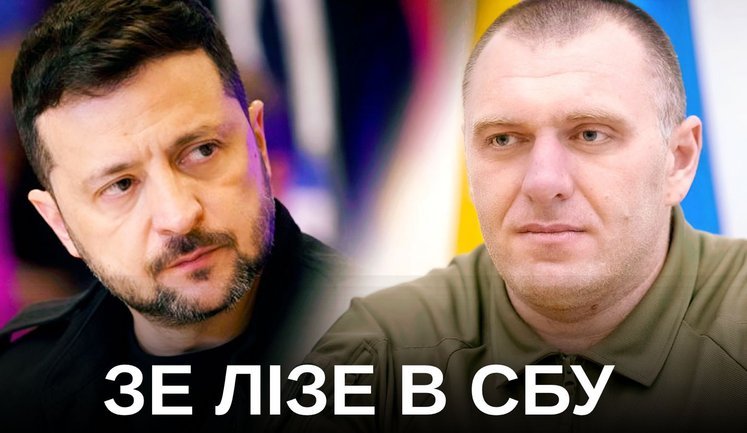
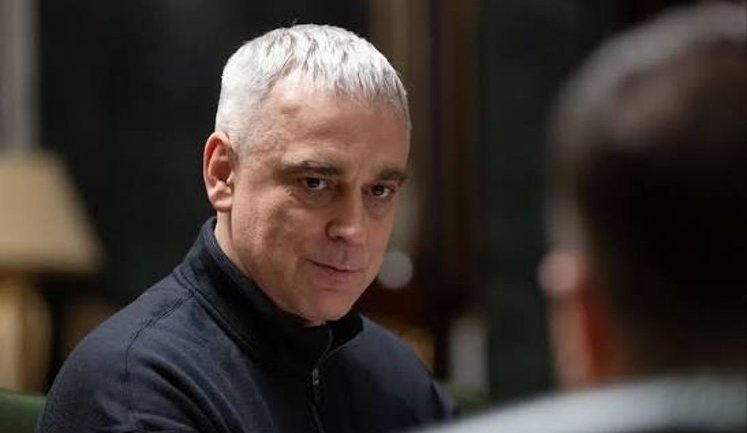
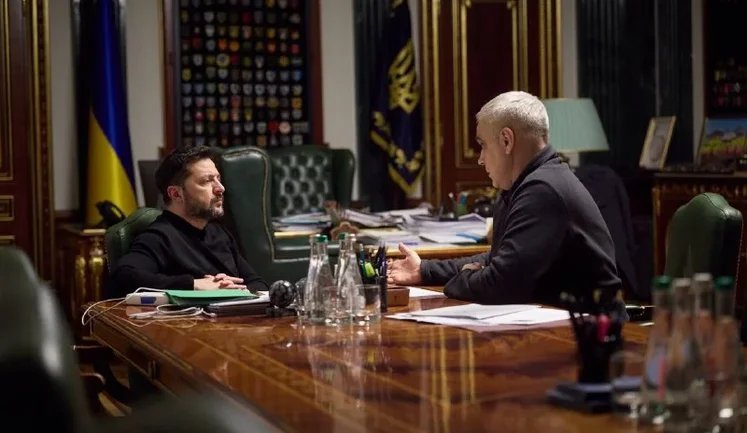
Oleksandr Poklad, a pivotal figure in Ukraine's Security Service (SSU), has been actively involved in addressing both internal and external security challenges. Under his leadership, significant measures have been proposed to strengthen the SSU's capabilities, notably discussed with President Zelenskyy. Poklad recently dismissed two SSU officers implicated in NABU's "Carthage" case, showcasing a firm stance against corruption. Furthermore, the SSU has reportedly prevented over 400 terrorist attacks since the onset of the war against Russia, highlighting effective counter-terrorism operations. These actions are indicative of a broader strategy to ensure national stability and combat both domestic and foreign threats.
What are the recent developments involving Oleksandr Poklad?
Oleksandr Poklad, head of the Security Service of Ukraine (SSU), recently proposed domestic measures to enhance the SSU's capabilities. Notably, he dismissed two officers involved in corruption cases and has overseen robust counter-terrorism efforts.
How has Oleksandr Poklad contributed to counter-terrorism in Ukraine?
Under Oleksandr Poklad's direction, the SSU has effectively thwarted over 400 terrorist attacks and acts of sabotage, particularly targeting military personnel, since the escalation of the conflict with Russia.
What actions has Poklad taken regarding corruption within the SSU?
Oleksandr Poklad has taken a firm stance against corruption by dismissing two senior SSU officers implicated in the NABU's "Carthage" investigation. He continues to advocate for accountability within the security services.
Who has Poklad collaborated with to enhance Ukraine's security?
Poklad frequently collaborates with President Volodymyr Zelenskyy, providing critical updates and strategic advice on the SSU's operations to mitigate internal and external threats, thus enhancing national security.
What impact has Poklad had on Ukraine's Security Service recently?
As the acting head of the SSU, Oleksandr Poklad has strengthened the institution by proposing better operational strategies, ensuring internal discipline, and enhancing its counter-intelligence capabilities against Russian threats.