Elections remain a global focus with significant developments reported. Hungary's parliamentary elections saw Péter Magyar's opposition party secure a notable victory, marking a potential shift in political dynamics as 98.93% of votes were counted. Meanwhile, in Ukraine, the discussion on post-war elections prevails amidst a backdrop of international influence and internal decisions. President Zelenskyy considers a scenario of conducting elections post-ceasefire, reflecting public sentiment, as polls indicate that 69% of Ukrainians favor elections only after the war ends. Furthermore, international scrutiny over election integrity is evident with European countries like Bulgaria alerting to potential Russian interference. Efforts continue on stabilizing the electoral process in affected regions.
What were the results of the Hungarian elections?
In Hungary, Péter Magyar's opposition party, "Tisza," emerged victorious in the parliamentary elections by securing over 69% of the vote, nearly achieving a constitutional majority. The elections have sparked discussions regarding future political implications in the country and how this shift might influence Hungary's stance on international issues.
Why are elections in Ukraine currently postponed?
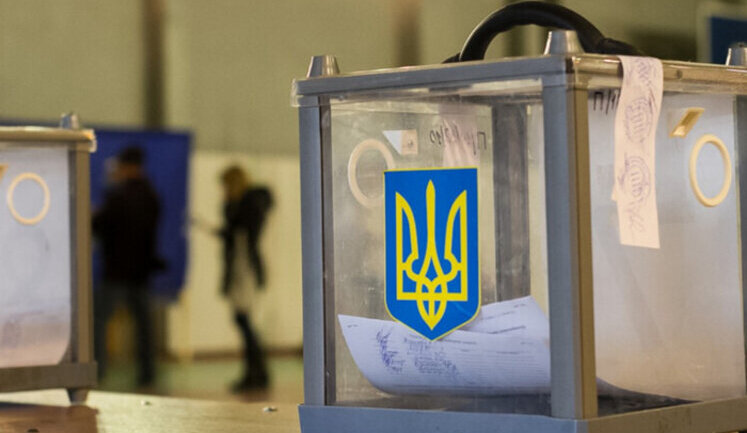
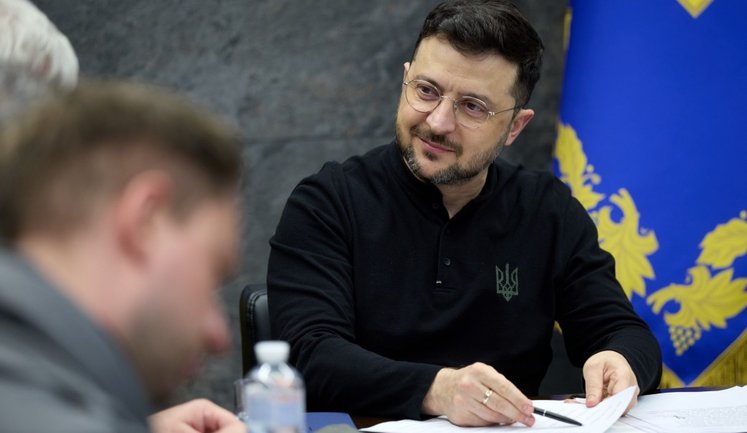
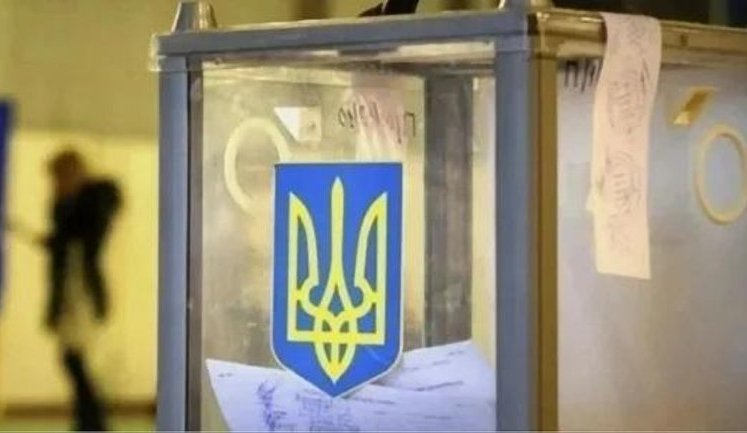
In Ukraine, the ongoing conflict with Russia has led to the postponement of elections. President Zelenskyy and the Ukrainian government have stated that elections will only be feasible after a durable ceasefire is achieved. The public largely supports this position, as a substantial majority of Ukrainians believe elections should wait until peace is restored. This delay underscores the complexities in scheduling elections during periods of instability and emphasize the need for secure conditions for voters.
How is the international community responding to election security threats?
Nations like Bulgaria are expressing concerns about potential election interference, predominantly pointing to Russia. These countries are urging the European Union for assistance in counteracting possible threats, especially as elections in several member states are on the horizon. This vigilance indicates proactive steps to ensure democratic processes are upheld and external influences are minimized, reflecting a uniform approach to safeguarding electoral integrity within Europe.
What conditions are required for elections to be held in Ukraine?
For elections to occur in Ukraine, certain prerequisites must be met, such as achieving a ceasefire of at least two months. This condition is deemed essential to provide a stable environment necessary for organizing and conducting elections. Additionally, the Central Election Commission is working towards establishing a post-war electoral framework with input from civic bodies and international partners to ensure a fair process when conditions permit.
How does the Hungarian election outcome impact regional politics?
The outcome of the Hungarian elections, where Péter Magyar's opposition party gained a significant victory, could have considerable regional implications. It presents possible shifts in Hungary's domestic policies and its international alliances, especially regarding the European Union and neighboring countries. The strong electoral mandate suggests potential changes in how Hungary addresses EU regulations and interacts with regional stability efforts.
What are the allegations regarding election interference in Hungary?
Officials, including Hungarian Prime Minister Viktor Orbán, claim external interference in the Hungarian elections, with accusations directed at both Ukraine and Russia. These allegations include attempts to influence political outcomes through financial backing of opposition groups and deploying intelligence efforts. Such claims have escalated the discourse on electoral integrity and sovereignty, prompting calls for international oversight.