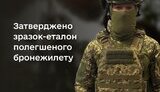
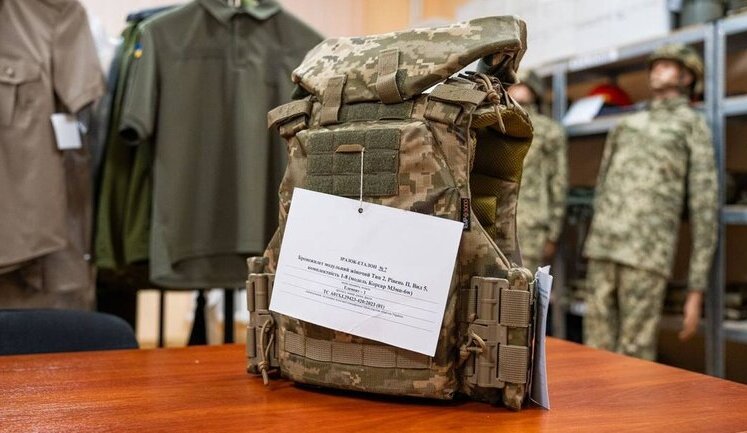
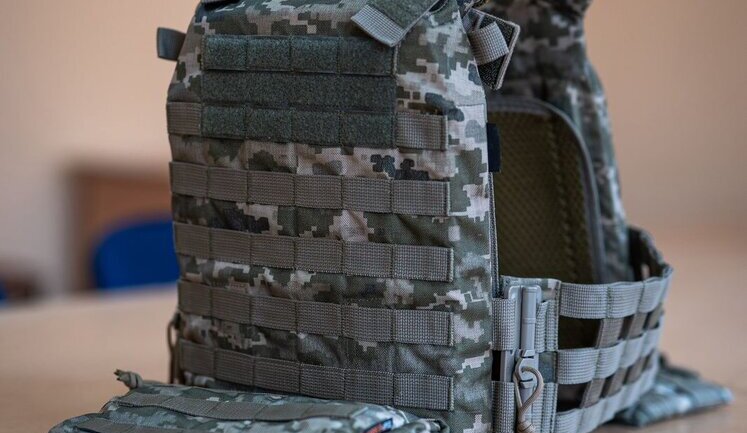
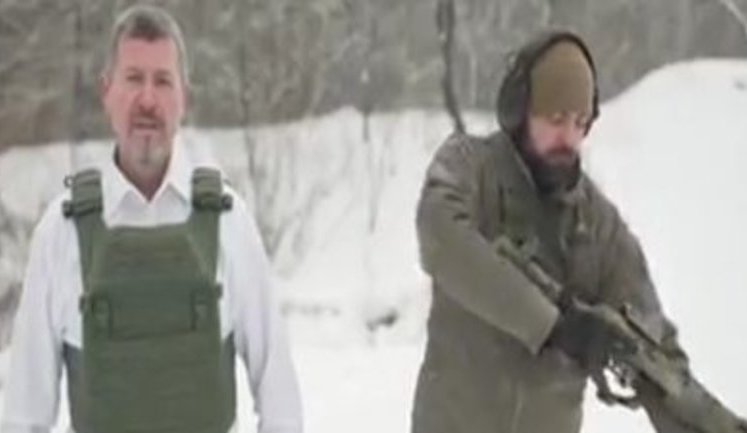
The procurement of armed vests in Ukraine has been marred by various controversies and corruption scandals. Recent reports indicate that representatives of the Public Anti-Corruption Council at Ukraine’s Defence Ministry have filed a criminal complaint with NABU, outlining potential abuses in body armor procurement. Accusations of collaboration between Ukrainian officials and Russian businessmen have surfaced, alleging the supply of low-quality bulletproof vests to the Ukrainian Armed Forces. Despite these challenges, the Ministry of Defense is making strides, approving a new lightweight body armor sample and introducing women’s bulletproof vests. However, ongoing embezzlement investigations, such as those involving Ukrenergo and the Ministry of Defense, underscore the need for transparency in military procurements. Meanwhile, the innovation continues with new lightweight and floating body armor models undergoing testing, highlighting the effort to enhance soldier protection amidst the ongoing conflict in Ukraine.
What are the recent procurement scandals involving armed vests in Ukraine?
Recent scandals include allegations against former officials in Ukraine's Ministry of Defence for colluding with Russian businessmen to supply low-quality bulletproof vests. There are also cases of embezzlement linked to purchasing substandard body armor at inflated prices. These incidents have prompted investigations by the National Anti-Corruption Bureau of Ukraine (NABU) and other security agencies to ensure accountability in military procurements.
How is the Ministry of Defense addressing issues with body armor quality?
The Ministry of Defense in Ukraine is actively working to improve the quality of body armor. They have approved a new lightweight body armor model and have started testing innovative designs, such as floating vests for the Navy. Furthermore, there are measures in place to ensure that future procurements meet the necessary quality standards to protect military personnel effectively.
Have there been improvements in the body armor supplied to Ukraine's military?
Yes, there have been improvements in the body armor supplied to Ukraine's military. The Ministry of Defense has introduced a lightweight and mobile body armor model and has also made provisions for women's bulletproof vests, enhancing the protective gear available for all military personnel. These advancements demonstrate the ongoing efforts to enhance the safety and effectiveness of Ukrainian soldiers.
What measures are being taken to combat corruption in military procurement in Ukraine?
The Ukrainian government has intensified its fight against corruption in military procurement by involving agencies like NABU and the Security Service of Ukraine (SSU) in investigating allegations of embezzlement and fraudulent activities. Criminal complaints have been filed, and notices of suspicion served to officials linked with procurement irregularities, indicating a robust approach towards ensuring transparency and accountability.
What role does NABU play in addressing defense procurement corruption?
NABU plays a critical role in addressing corruption in defense procurement in Ukraine by conducting thorough investigations into allegations of misconduct and embezzlement. They work to uncover fraudulent practices and hold responsible parties accountable, thereby ensuring that the procurement processes are transparent, fair, and beneficial to the national interest.
Are there any specific allegations against military officials regarding body armor procurement?
Yes, specific allegations have been made against military officials regarding body armor procurement, including breaches of trust and collusion with foreign entities to supply subpar protective gear. Such allegations have led to formal charges and investigations, underscoring the ongoing challenges and the need for vigilant oversight in defense procurement activities.
What is the significance of lightweight body armor for the military?
Lightweight body armor is particularly significant for the military as it provides enhanced mobility and comfort for soldiers while maintaining the necessary level of protection. Such innovations are vital in modern warfare, allowing soldiers to move and react more quickly in dynamic combat situations, thus improving their effectiveness and survivability on the battlefield.