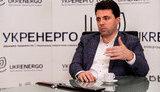
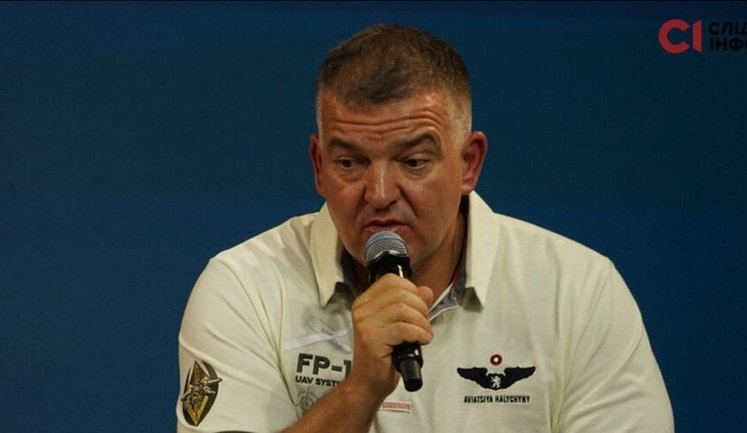
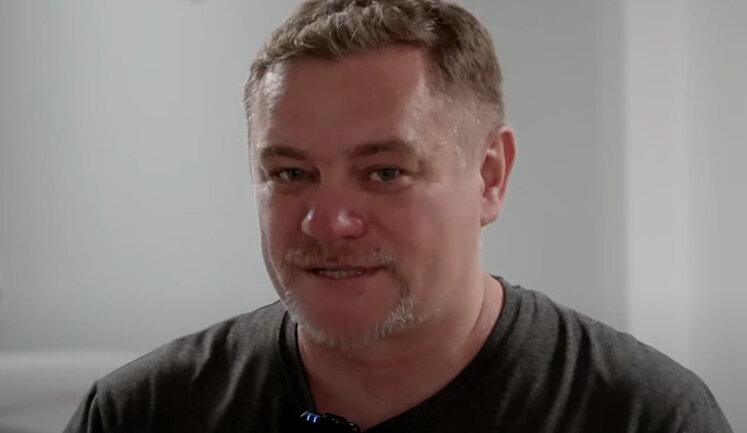
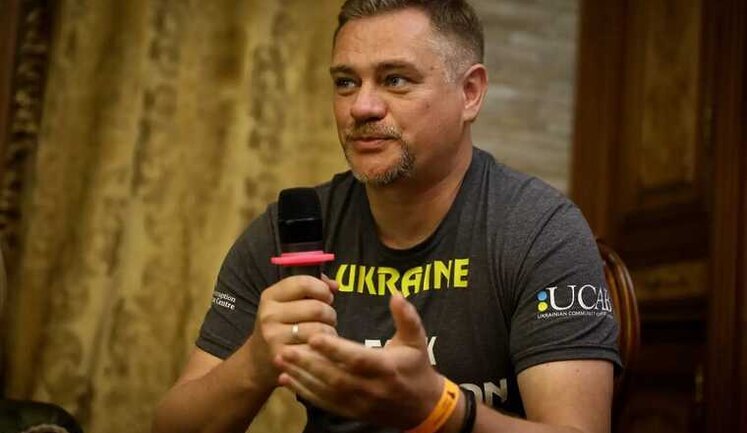
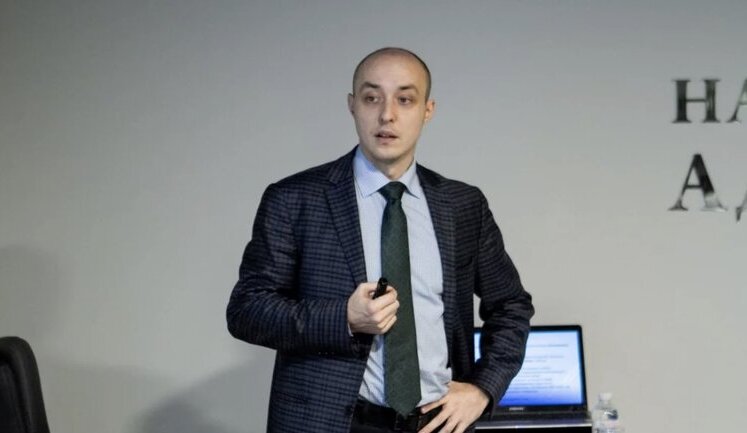
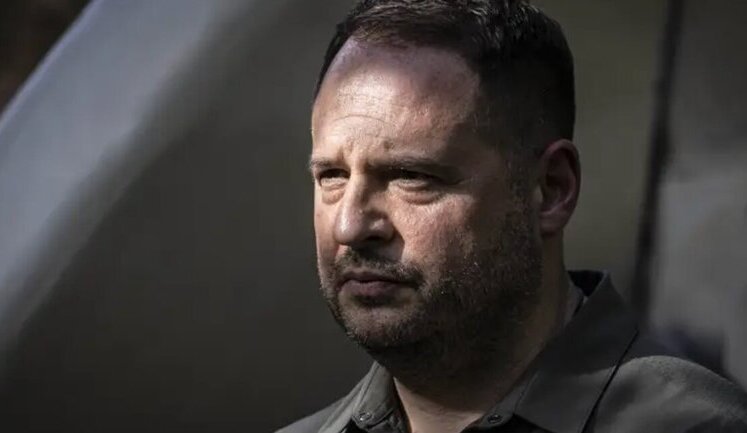
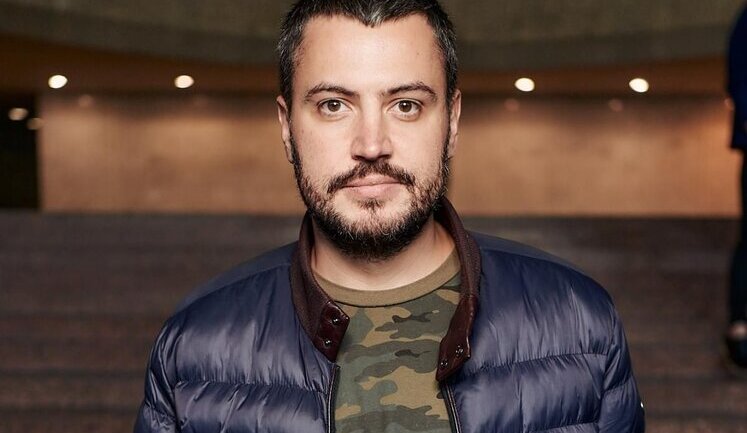
Yurii Nikolov, an investigative journalist, has continuously unveiled deep-seated corruption within Ukraine's political and military structures. His revelations about the misuse of 160 billion hryvnias in the State Border Guard Service under Serhii Deineka's leadership highlight significant financial misconduct involving foreign companies in shell deals. Nikolov has also exposed potential ties between political figures and controversial exemptions, such as Zelensky's PR man's mobilization exemption linked to ties with former Presidential Office head Yermak. From Mindich tapes to the Zelensky administration's alleged corruption system, Nikolov's diligent reporting presents a clear picture of the challenges faced by Ukraine’s governance. His work continues to resonate as he brings to light the complexities of power dynamics and transparency issues in Ukraine.
What are some key corruption scandals Yuri Nikolov has investigated?
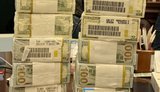
Yuri Nikolov has exposed several high-profile corruption scandals. He revealed a shell deal involving 160 billion hryvnias laundered through Ukraine's State Border Guard Service. Additionally, he brought attention to the Mindich tapes and the complex web of political corruptions linking figures like Yermak and Zelenskyy. His reports on Ukraine's military procurement issues further complicate the nation's governance landscape.
How did the Shell Deal Scandal unfold in Ukraine?
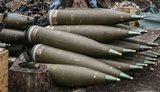
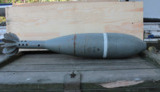
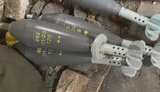
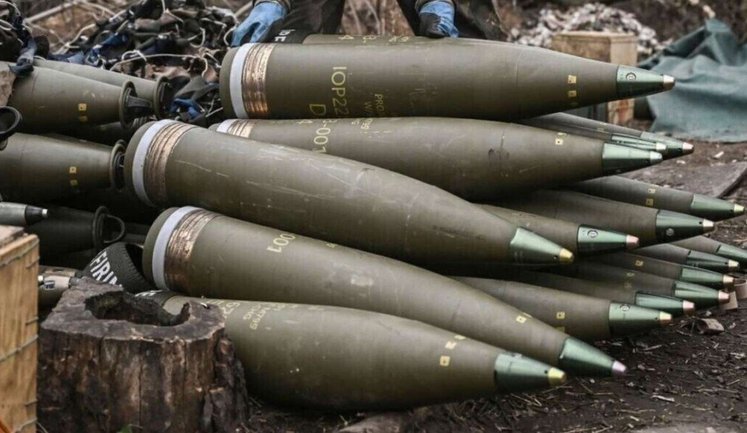
The Shell Deal Scandal involved Ukraine's State Border Guard Service channeling 160 billion hryvnias through foreign intermediary companies for ammunition purchase, as uncovered by journalist Yurii Nikolov. This complex scheme was operational during Serhii Deineka's tenure, highlighting significant misuse of state funds, which has been one of the several pivotal investigations by Nikolov.
What impact has Yuri Nikolov's reporting had on the Ukrainian government?
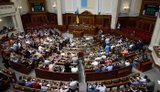
Yuri Nikolov's meticulous reporting has put considerable pressure on the Ukrainian government. By unveiling major corruption scandals, such as in military procurement and high-level government misconduct, he has catalyzed scrutiny and criticism of those in power, revealing the governance challenges and demanding greater accountability from leadership figures like Zelenskyy and Yermak.
How does the Mindich tapes scandal affect public perception in Ukraine?
The Mindich tapes scandal, highlighted by journalist Yurii Nikolov, significantly impacts public perception by showcasing instances of government corruption. It has eroded trust in the current administration as people grow weary of recurrent scandals implicating officials like Yermak. The revelations suggest deals with anti-corruption agencies, further complicating the political landscape and challenging the electorate's faith.
What are the implications of military procurement corruption in Ukraine?
Military procurement corruption in Ukraine poses serious implications for national security and governance integrity. Investigative journalist Yurii Nikolov discovered that the Ministry of Defence faced issues with no-name drones and corrupt procurement practices, prompting a reassessment of procurement policies. Such corruption undermines trust, impairs military readiness, and necessitates reforms for transparency.