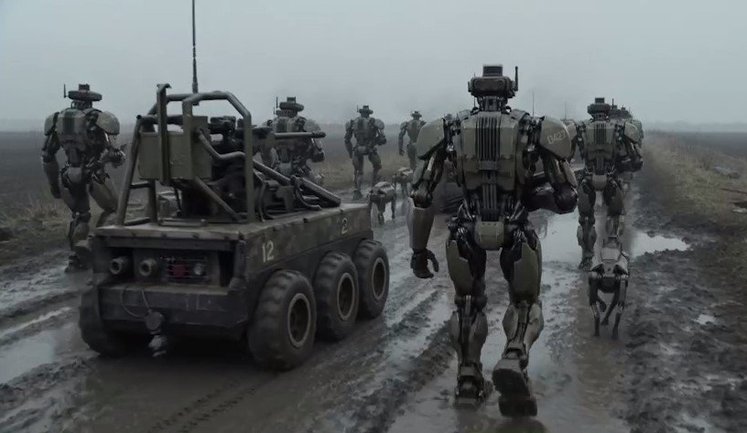
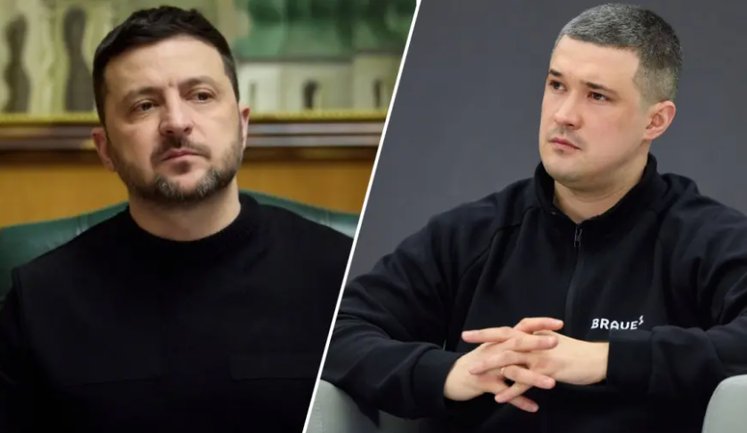
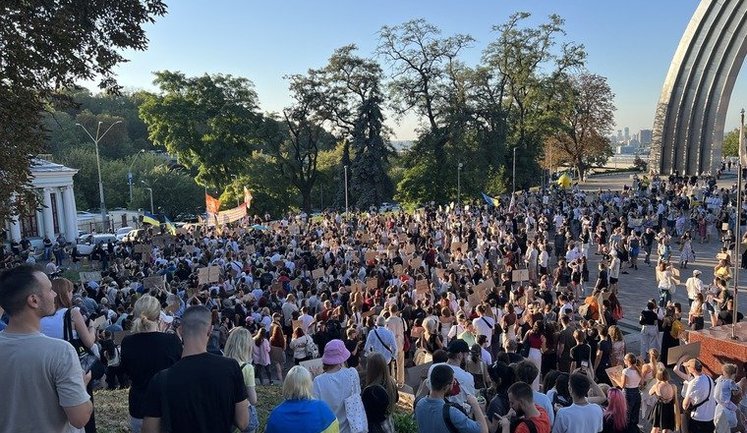
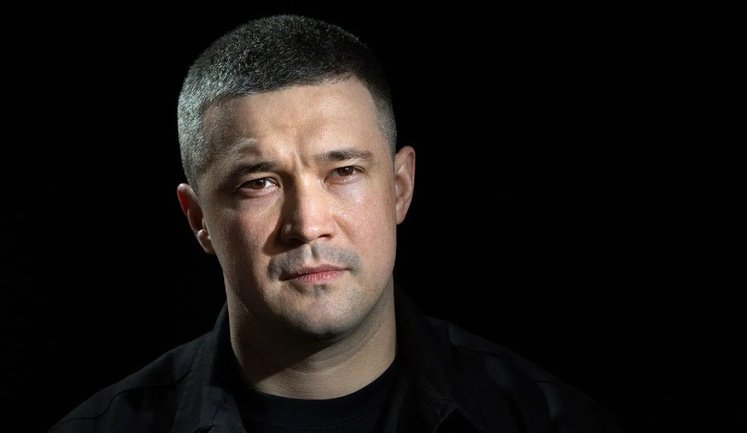
Mykhailo Fedorov, Ukraine's former Defense Minister, remains a pivotal figure in the nation's defense and political landscape in 2026. From advocating advanced military technologies like frontline robotisation and jet-powered interceptors to his controversial collaboration with Palantir, Fedorov's initiatives are both ambitious and contentious. Despite leaving office, Fedorov's influence persists, largely through protests demanding his reinstatement and reforms in Ukraine's governance. His active engagement with international allies and proposals for elections during wartime continue to fuel public discourse and political strategy debates.
What technological advancements is Mykhailo Fedorov pursuing?
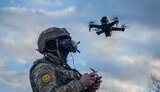
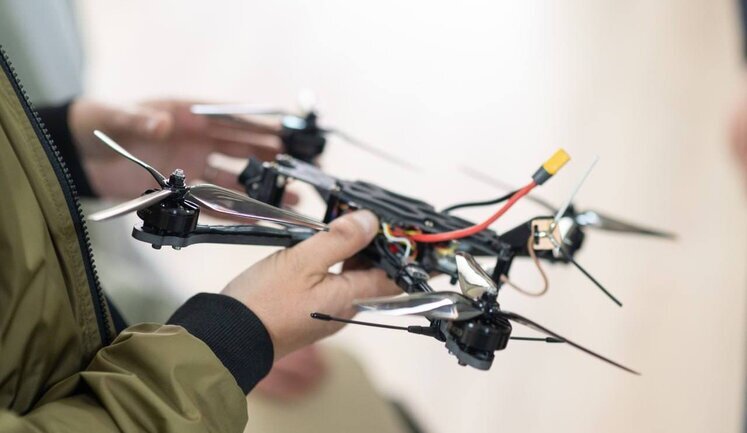
Fedorov is pushing forward numerous projects including the development of frontline robotisation, jet-powered interceptors, and cost-effective strike missiles. These advancements aim to enhance Ukraine's defense capabilities significantly in the face of ongoing military challenges.
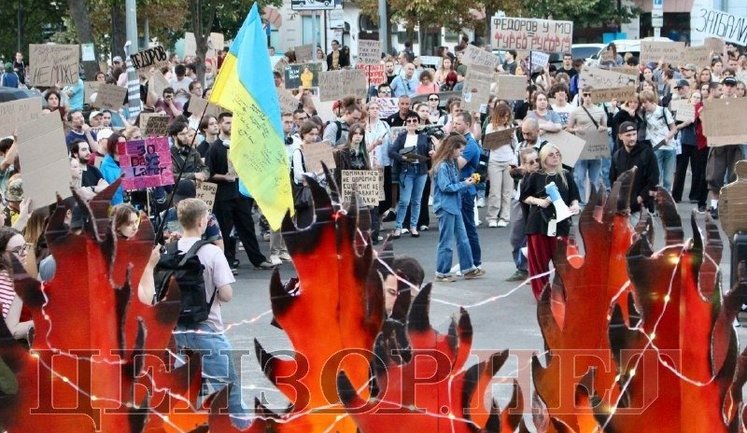
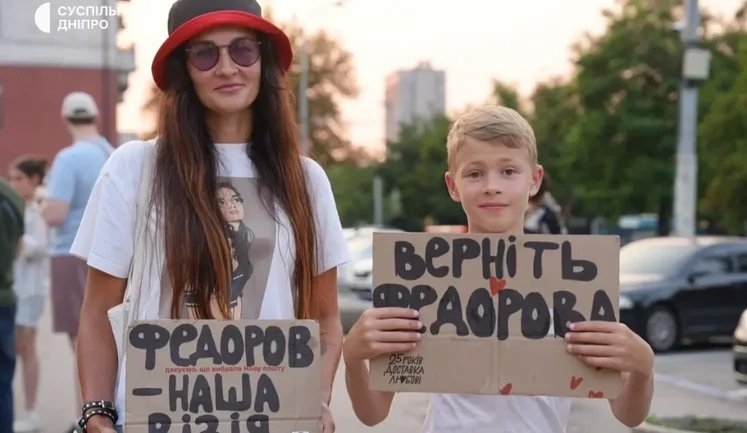
Why are protests ongoing in support of Mykhailo Fedorov in Ukraine?
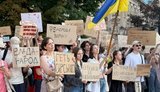
Protests supporting Fedorov stem from public demand for governmental reforms and transparency. Many citizens view his removal as politically motivated and demand his reinstatement, believing his leadership could combat systemic corruption and enhance military efficiency.
What are the implications of Fedorov's collaboration with Palantir?
Fedorov's collaboration with Palantir is seen as controversial as it raises questions about integrity and the propriety of former officials working with private tech sectors. Such collaborations could possibly jeopardize state interests and national security if not handled with stringent oversight.
How is Fedorov addressing the issue of corruption in Ukraine?
Fedorov emphasizes that systemic governance issues and entrenched private interests are significant barriers to effectively addressing corruption in Ukraine. He advocates for reforms that prioritize accountability in defense procurement and democratic processes as solutions.
What role does Fedorov play in Ukraine's election strategy during wartime?
Fedorov is a proponent of finding mechanisms to conduct elections during wartime, arguing that democratic practices should not be halted due to the Kremlin’s aggression. His stance is to ensure that democratic governance structures remain functional and resilient under crisis conditions.
What is Fedorov's stance on reforming Ukraine's mobilization process?
Fedorov has proposed a phased mobilization model to avoid large-scale conscription. This aims to make the process more efficient and less disruptive while still maintaining Ukraine's defense readiness during ongoing hostilities.