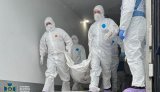
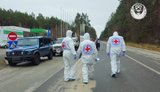
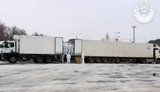
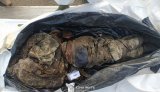
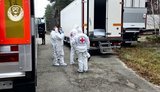
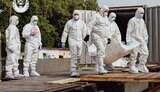
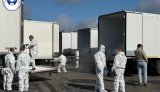
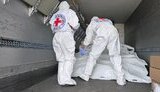
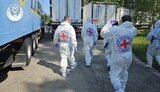
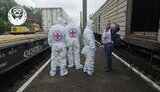
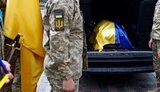
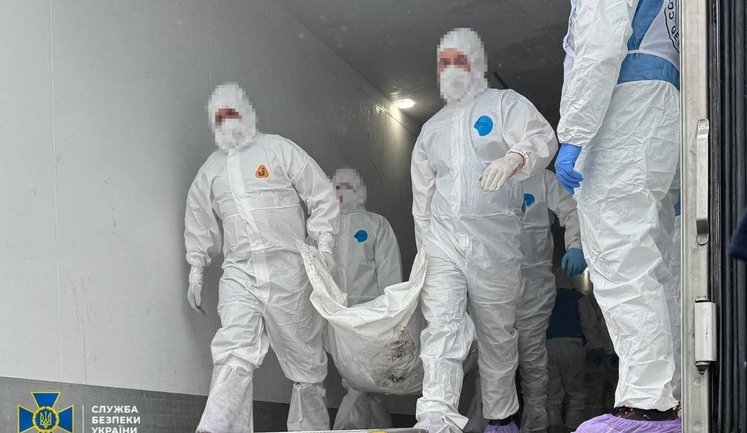
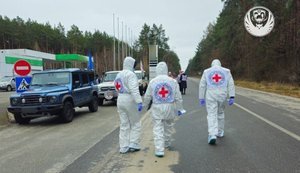
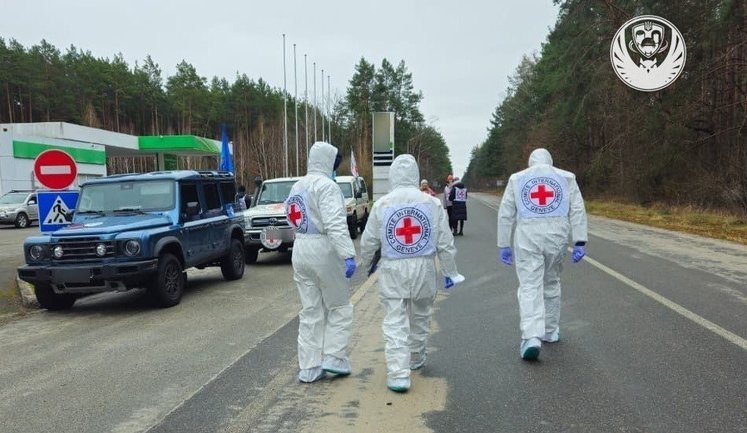
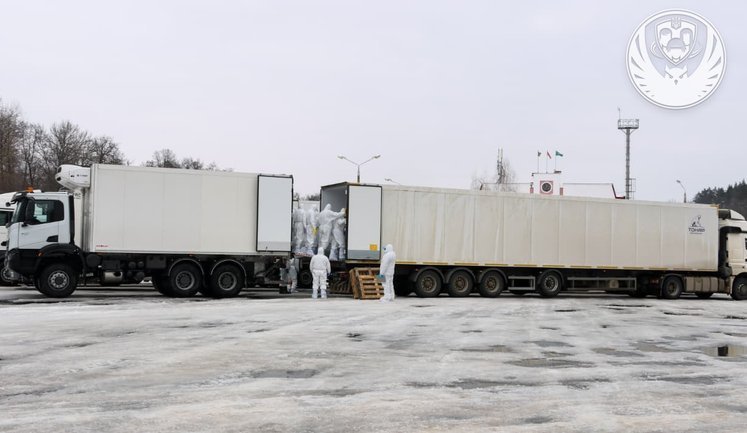
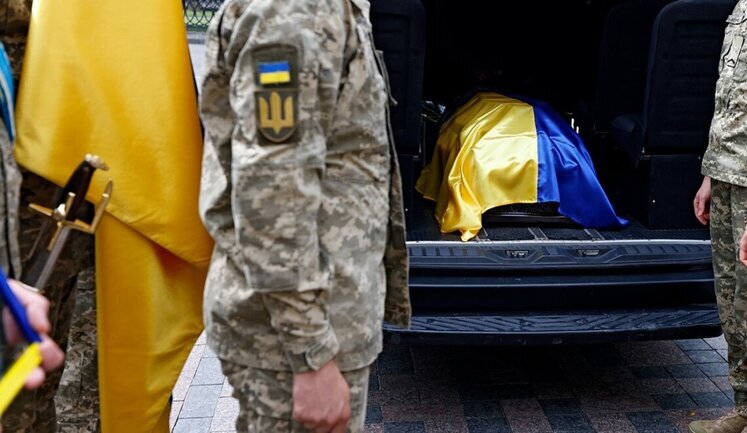
Ukraine has been actively involved in the repatriation of fallen soldiers' bodies, a process that has seen thousands of remains returned from the frontlines. These efforts have been coordinated through the Coordination Headquarters, evidencing international cooperation between Ukraine and Russia. In recent operations, the remains of over 1,000 Ukrainian defenders were returned, although identification using biometric data remains ongoing. This painstaking task involves verifying the identities of the deceased, while maintaining dignity and honoring those who have sacrificed their lives. The repatriation process is not only about bringing closure to families but also ensures accurate records, aiding the humanitarian goal of returning deceased soldiers to their homeland.
What is the process for repatriating fallen soldiers' bodies to Ukraine?
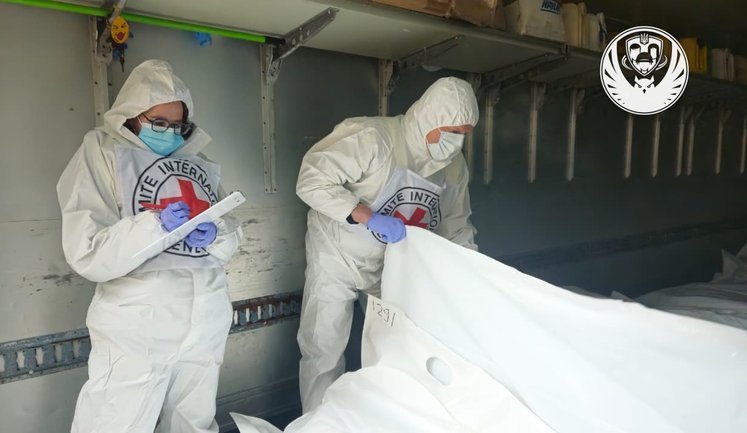
The process involves coordination between Ukraine and Russia, where remains of fallen soldiers are transported back to Ukraine. This is facilitated by the Coordination Headquarters, ensuring a humane and respectful transfer. Upon arrival, remains undergo biometric identification before being handed over to families.
How does Ukraine verify the identities of returned bodies?
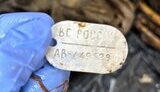
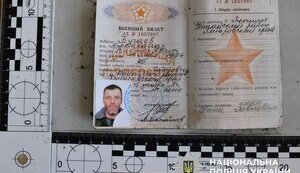
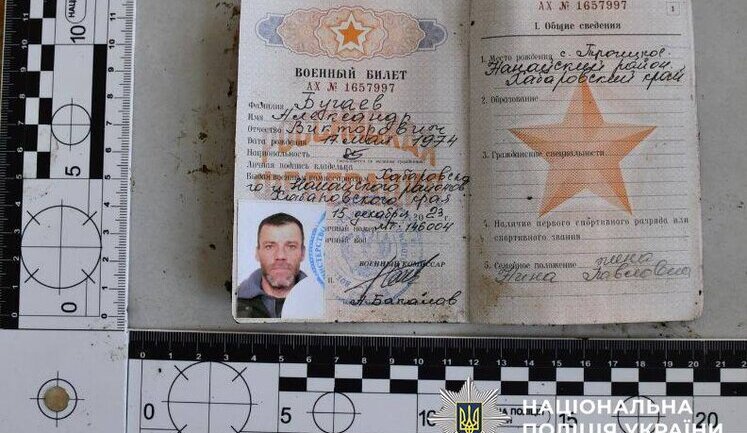
Ukraine uses a combination of forensic techniques and biometric data to identify returned bodies. This involves examining military tags and conducting DNA tests to match remains with records of missing servicemen, ensuring accurate identification.
Why are the repatriation of soldiers' bodies significant for Ukraine?
The repatriation process is essential for bringing closure to families and honoring the sacrifice of fallen soldiers. It also reinforces Ukraine's commitment to humanitarian principles and facilitates reconciliation and historical accuracy in war records.
What challenges does Ukraine face in repatriating soldiers' bodies?
Challenges include the complexity of verifying identities using biometric data, negotiating with Russian authorities for the return of remains, and managing logistic and legal aspects of transnational repatriation. Additionally, the ongoing conflict complicates coordination efforts.
How many soldiers' bodies were repatriated to Ukraine in recent months?
Recently, thousands of soldiers' bodies have been repatriated to Ukraine. In the last year alone, over 10,000 remains have been returned, with some operations bringing back over 1,000 bodies at a time, emphasizing the scale of the effort.
Is there international cooperation in Ukraine's repatriation efforts?
Yes, there is international cooperation, particularly between Ukraine and Russia. Despite complex geopolitical tensions, both countries have engaged in repatriation talks, agreeing on the transfer of bodies to ensure families receive their loved ones back with dignity.
What advancements are being made in body identification in Ukraine?
Ukraine is advancing in body identification with the implementation of biometric techniques. The government is also exploring creating a unified registry for identifying war casualties, involving experts and specialists in forensic sciences to streamline the process.
Has Russia been cooperative in the repatriation of bodies?
While there has been cooperation between Ukraine and Russia, complexities remain, especially with the deliberate mixing of bodies by Russia during repatriations. However, ongoing dialogue aims to resolve these issues, ensuring both nations adhere to humanitarian standards.