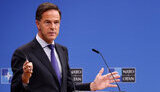
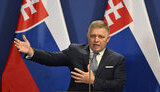
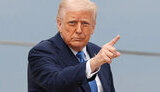
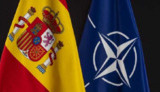
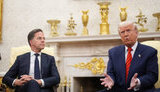
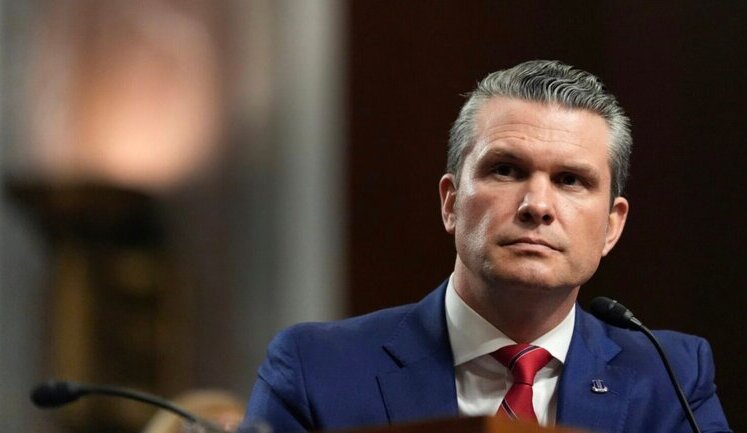
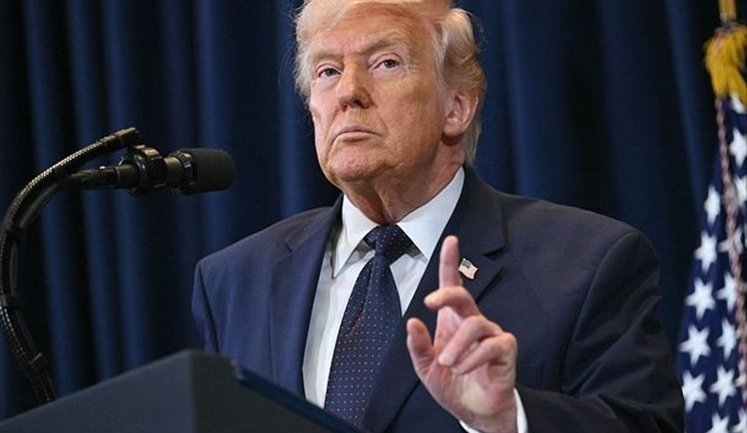
NATO defense spending has become a pivotal topic as member countries achieved the notable benchmark of 2% GDP allocation for defense by 2025. This milestone reflects a unified effort to confront modern geopolitical challenges. However, President Donald Trump's push to increase this spending to 5% GDP sparks discussions, facing resistance from leaders like Spain's Sánchez. European leaders are emphasizing the importance of strategic unity, as enhancements in defense are not solely to placate demands but to address looming threats from Russia and other adversarial forces. Initiatives like the European "drone wall" aim to fortify collective security. Increased expenditure is also aimed at reinforcing capabilities to assist allies such as Ukraine, showcasing NATO's commitment to regional stability.
Why is NATO focused on increasing defense spending?
NATO is increasing defense spending to enhance its capabilities and ensure readiness against emerging threats, particularly from Russia. The aim is to maintain peace and security in the region while supporting allies, including Ukraine, in their defense needs.
What are the new defense spending targets proposed by NATO?
NATO has proposed increasing defense spending to 5% of GDP for member countries. This proposal is discussed amid global tensions and aims to ensure adequate resources for comprehensive defense strategies and collective security improvements.
How did all NATO countries reach the 2% GDP defense spending target?
In 2025, all NATO members met the 2% GDP defense spending target through a concerted increase in their defense budgets. This achievement underscores a collective response to geopolitical challenges and adherence to Alliance commitments.
What is the significance of the "drone wall" initiative by the EU?
The "drone wall" initiative aims to enhance EU defense readiness against aerial threats and is part of a broader defense strategy discussed at the European Council. This focuses on advancing drone and counter-drone technologies to bolster security.
Why is Spain opposing an increase in defense spending to 5% of GDP?
Spain opposes the increase due to concerns over the militarization of Europe and prefers focusing on unity and international law compliance. Prime Minister Sánchez argues that defense should not overshadow socio-economic stability.
How is NATO aiding Ukraine with defense spending?
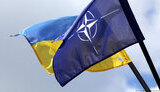
NATO member states have pledged to include military aid to Ukraine in their defense spending calculations. This inclusion is part of a broader strategy to assist Ukraine in its ongoing conflict, as member countries align financial support with defense goals.
What is the impact of Trump's demands on NATO defense policies?
Trump's demands for higher defense spending have intensified discussions within NATO, highlighting differing national priorities and commitments. While some countries resist, others are aligning with these demands to strengthen collective defense capabilities.
Which countries are leading NATO's defense spending initiatives?
Leading the initiatives are countries like the United States, which is pushing for increased spending. Nations like Lithuania are setting examples, committing over 5% GDP to defense to align with proposed targets and regional defense needs.
What role does NATO play in global defense strategies?
NATO plays a critical role in global defense strategies by providing a unified military framework for member states. It focuses on collective defense, deterrence, crisis management, and partnership building to address security challenges worldwide.
How does the increase in NATO defense spending affect global security?
The increase in NATO defense spending enhances global security by improving member countries' readiness and capabilities to deter potential threats. It solidifies the Alliance's position as a major peacekeeping force, facilitating stability and security in the geopolitical landscape.