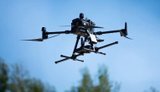
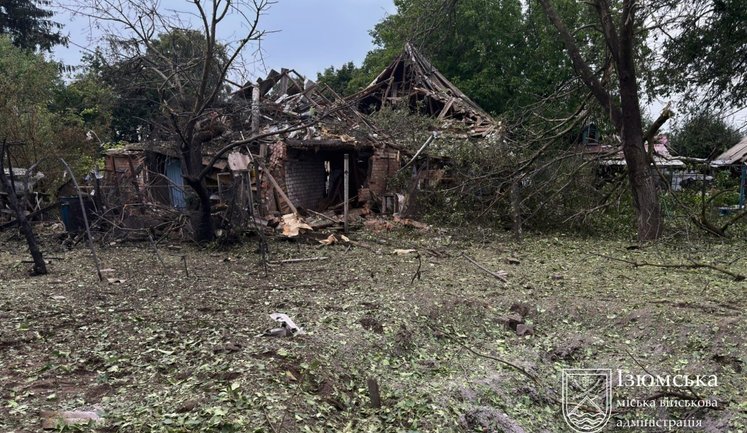
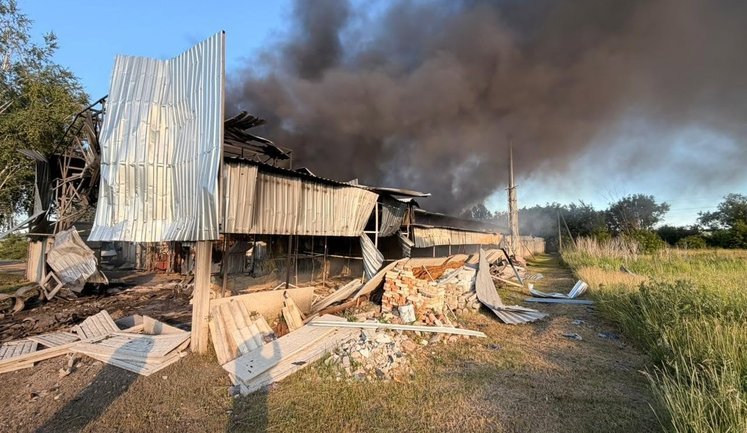
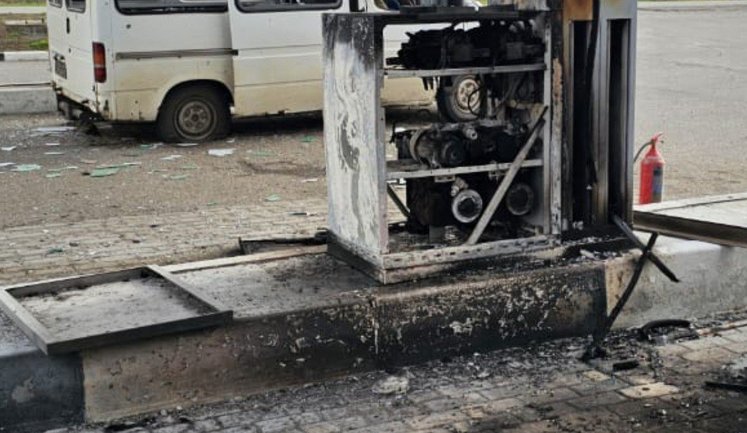
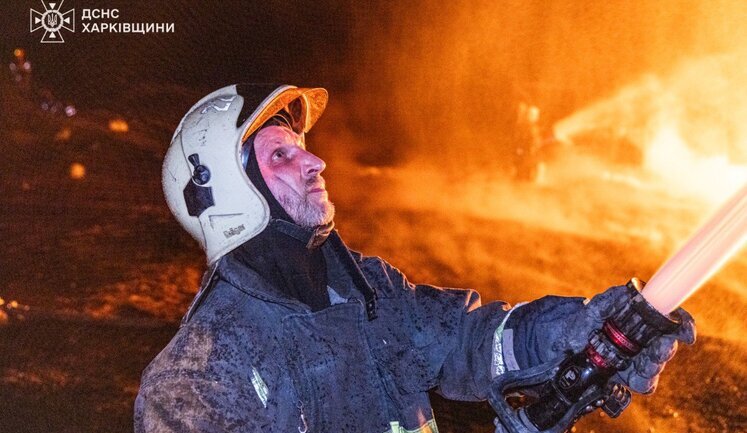
The Kharkiv region has been experiencing an intense wave of UAV attacks, with significant impacts on civilians and infrastructure. Recent reports indicate deliberate strikes on emergency medical teams and residential areas. In the village of Hrushivka, a drone hit an ambulance crew, while another drone attack on Balakliia targeted residential zones. Additionally, a tragic incident on the Kyiv-Kharkiv-Dovzhanskyi motorway resulted in casualties when a medical vehicle was struck. Children were also injured during a drone strike on Blyzniukivska. This escalating conflict highlights the growing threat posed by UAVs in the region. Such attacks not only result in casualties but also disrupt daily life, causing widespread fear and instability among the local population.
What is the current situation in Kharkiv region regarding UAV attacks?
The Kharkiv region is currently facing an increasing number of UAV attacks, particularly from Russian forces. These attacks have targeted both civilian infrastructure and populated areas, leading to casualties and significant damage. The intensity and frequency of these strikes have been a major concern for both local authorities and residents.
How have the recent UAV attacks impacted Kharkiv region?
The recent UAV attacks in the Kharkiv region have led to significant disruptions and humanitarian concerns. Civilian casualties have been reported, and essential services such as emergency medical teams have been directly targeted. The attacks have also caused psychological distress among the population, leading to an urgent call for increased security measures.
Are there any precautions being taken to protect against UAV strikes in Kharkiv?
In response to the UAV threat, local and national authorities are working to enhance defense capabilities and early warning systems. Efforts are being made to improve the resilience of critical infrastructure and ensure the safety of residents. Nonetheless, the unpredictability and stealth of UAV attacks continue to pose a challenge.
What are the key targets of the UAV attacks in the Kharkiv region?
The UAV attacks in the Kharkiv region have primarily targeted civilian areas, emergency response teams, and infrastructure. Recently, drones targeted an ambulance crew in Hrushivka, residential areas in Balakliia, and other civilian zones, reflecting a strategic pattern aimed at causing maximum disruption and fear among the local population.
What can residents in Kharkiv do to stay safe during UAV attacks?
Residents in Kharkiv are advised to stay informed about security alerts and follow guidance from local authorities. It is crucial to seek shelter during alerts and keep emergency kits ready. Staying connected with community networks and adhering to official instructions can greatly improve personal safety during UAV attacks.
How has the international community responded to the UAV attacks in Kharkiv?
The international community has expressed growing concern over the UAV attacks in Kharkiv, calling for an end to hostilities and emphasizing the need for humanitarian aid. Efforts are being made to provide diplomatic support and assistance to mitigate the impact of these attacks on the civilian population.
What measures are in place to help affected victims of the UAV attacks in Kharkiv?
Various humanitarian organizations are actively working to assist victims of the UAV attacks in Kharkiv. These measures include the provision of medical aid, psychological support, and shelter for those displaced by the attacks. Coordination with local agencies aids in effective distribution and support to the affected communities.
What challenges do authorities face in mitigating drone threats in Kharkiv?
Authorities in Kharkiv face significant challenges in mitigating drone threats due to the covert nature and advanced technology of UAVs. The complexity of detecting and neutralizing these small and agile aircraft, along with ensuring minimal disruption to civilians, makes countermeasures difficult.
Have there been any successful defenses against UAV strikes in the Kharkiv region?
While efforts have been made to bolster defenses against UAV strikes in Kharkiv, success has been varied. Anti-drone technologies and improved radar systems are being developed, yet the persistent and rapidly evolving nature of UAV threats means that complete defense remains a challenging objective.