ENG




15857 visitors online
The use of Anti-Tank Guided Missiles (ATGMs) by Ukrainian forces has had a significant impact on the ongoing conflict with Russia. Recent reports highlight successful operations involving ATGMs such as the American FGM-148 "Javelin" and the Ukrainian-made "Stugna-P". Ukrainian forces have effectively deployed these powerful weapons against Russian tanks, armored vehicles, and even special units in various hot zones like the Kursk region and Donetsk area. Videos of these strikes have gone viral, showcasing the precision and effectiveness of ATGMs in neutralizing enemy capabilities. Notable incidents include the destruction of a Russian special forces unit on a Syvash drilling rig and multiple Russian tanks, including the T-72B and T-90, being obliterated by direct hits. These operations have not only halted enemy advancements but have also demonstrated the critical role of ATGM technology in modern warfare. The continued use of these powerful tools underscores the strategic advantage they provide Ukraine in defending their territory and disrupting Russian military efforts.
What is the role of ATGMs in the Ukraine conflict?
Anti-Tank Guided Missiles (ATGMs) have become pivotal in Ukraine's defensive and offensive operations against Russian forces. These weapons have enabled Ukrainian forces to destroy Russian tanks, armored vehicles, and key military installations effectively, creating significant strategic advantages on the battlefield.
How have Ukrainian forces utilized ATGMs against Russian targets?
Ukrainian forces have utilized ATGMs to strike Russian military assets with precision, destroying tanks, special units, and armored vehicles. Videos show successful deployments of Javelin and Stugna-P ATGMs against enemy forces in critical regions such as Donetsk and Kursk.
Which ATGMs are prominent in Ukraine's military operations?
The American FGM-148 "Javelin" and Ukraine's "Stugna-P" ATGM have prominently featured in Ukraine's military operations. Their accuracy and power have proven decisive in numerous engagements, disrupting and destroying key Russian military equipment and installations.
Can ATGMs impact the outcome of military conflicts?
ATGMs can critically impact military conflicts by leveling the battlefield against armored threats. In Ukraine, they have been instrumental in neutralizing advanced Russian tanks and vehicles, demonstrating the strategic utility of these missiles in modern warfare.
What are some key examples of successful ATGM deployments by Ukraine?
Key examples of successful ATGM deployments by Ukraine include the attack on a Russian T-72 tank in Kursk, the destruction of a special forces unit on a Crimean drilling rig, and numerous hits on armored vehicles in the Donetsk area. These deployments have showcased the tactical advantage ATGMs provide.
Videos news ATGM_
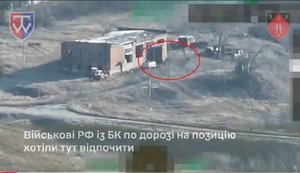
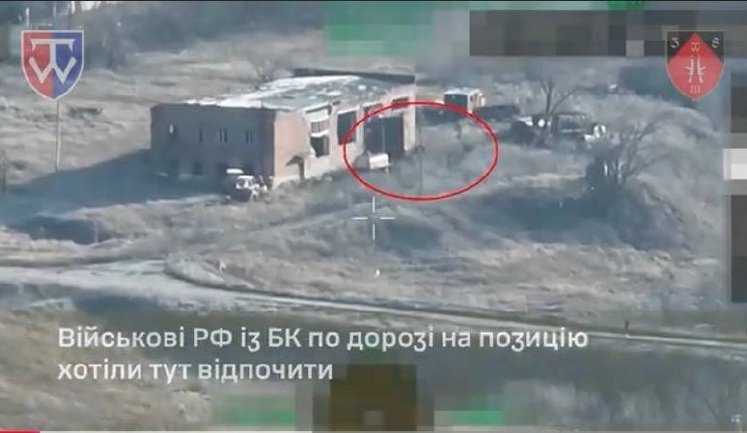
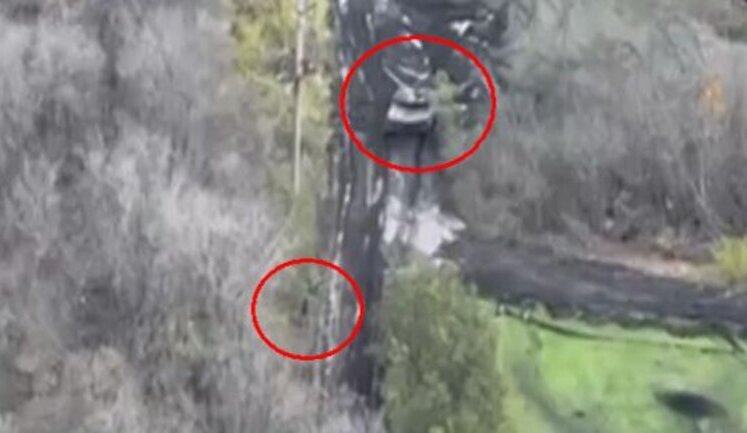
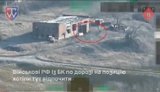 Reconnaissance by 3rd Battalion of 58th Separate Motorized Infantry Brigade tracked down and destroyed enemy anti-tank missile system position in Kharkiv region. VIDEO Scouts from the 3rd Motorised Infantry Battalion of the 58th Separate Motorized Infantry Brigade tracked down an enemy anti-tank missile crew that had decided to stop for a rest on their way to their position. 3 116 5 Previously in trend: Destruction of Russian equipment Elimination of Russian occupying forces
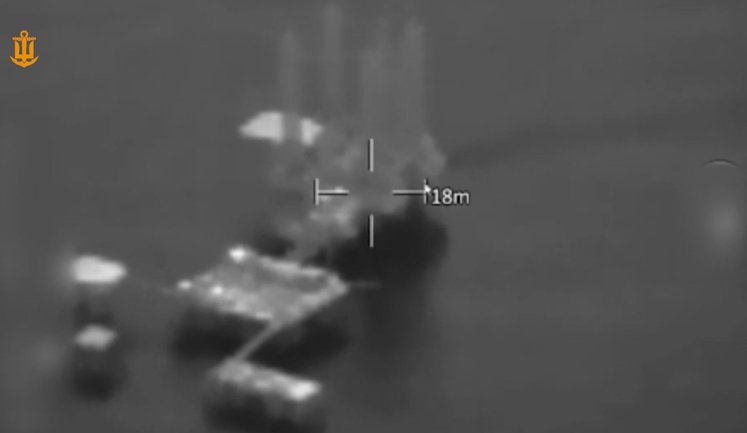
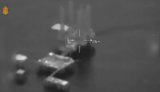 Navy strikes elite Russian special forces unit on Syvash drilling rig. VIDEO The Navy of the Ukrainian Armed Forces struck an elite enemy special forces unit positioned on the "Syvash" jack-up drilling rig in the Black Sea near temporarily occupied Crimea. 6 277 8 Previously in trend: Destruction of Russian equipment Destruction of enemy equipment in Crimea
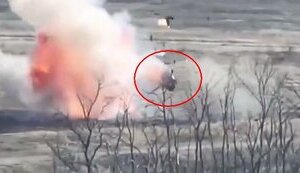
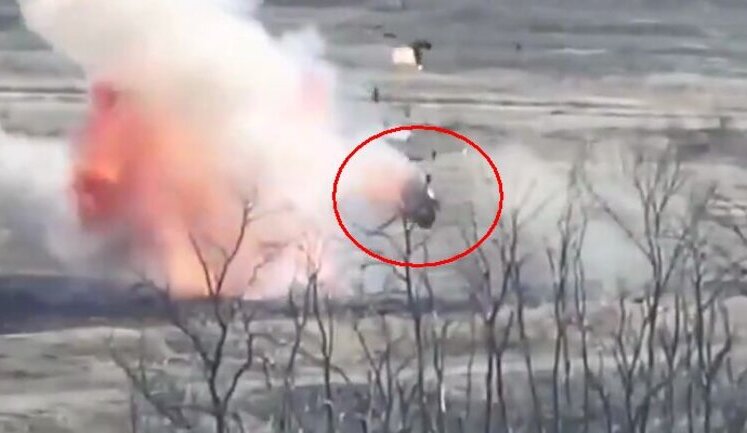
 Russian tank driver flies several dozen metres into the air and falls onto roof of building after "Javelin" ATGM hits T-72B3 tank. VIDEO A video has been published online showing the moment a Russian T-72B3 tank was destroyed by a "Javelin" missile. 13 842 61 Previously in trend: Destruction of Russian equipment
 ATGM operators destroy Russian T-72 tank in Kursk region. VIDEO Anti-Tank Guided Missile (ATGM) operators destroyed a Russian T-72 tank in Russia’s Kursk region. 8 648 16 Previously in trend: Destruction of Russian equipment in Kursk region
 Soldier of 47th Separate Mechanised Brigade "Magura" destroying Russian infantry fighting vehicle with American FGM-148 "Javelin" ATGM. VIDEO A Ukrainian soldier from the 47th "Magura" SMB destroyed a Russian infantry fighting vehicle with the help of an American FGM-148 "Javelin" ATGM. 11 606 12 Previously in trend: War US resumes aid supplies to Ukraine
 US ATGM missile FGM-148 "Javelin" moments before striking Russian tank. VIDEO A video has been published online showing the destruction of a Russian tank with the help of the US FGM-148 Javelin ATGM. 27 561 38 Previously in trend: War
 Border guards destroy occupiers’ anti-tank missile system in Kupiansk direction. VIDEO In the Kupiansk direction, border guards destroyed an anti-tank missile system, a "Groza" electronic warfare station, an enemy pilot antenna, and an occupier's hideout with kamikaze drones, and killed three Russian infantrymen. 3 679 0 Previously in trend: War
 Launching of heavy anti-tank missile TOW by American "Bradley" IFV in battle with Russian occupiers. VIDEO A fragment of the combat work of the Ukrainian crew of the American Bradley infantry fighting vehicle in a battle with the Russian occupiers has been published online. 16 287 5 Previously in trend: War
 Attack on group of enemy infantry with "Stugna-P" ATGM by fighters of 66th SMB in Donetsk region. VIDEO Soldiers of the 66th Separate Mechanized Brigade named after Prince Mstyslav the Brave attacked an enemy infantry group in the Donetsk region with Stugna-P ATGMs. 12 192 18 Previously in trend: War
 Enemy ATGM crew in full force flying high in air after Ukrainian drone attack. VIDEO A drone operator from the 28th SMB named after the Knights of the Winter Campaign destroyed an enemy ATGM crew. 12 117 16 Previously in trend: War
 Russian man engulfed by fire after being hit by "Javelin" ATGM jumps out of his tank and runs as fast as he can across field. VIDEO Ukrainian soldiers using "Javelin" ATGM destroyed an enemy tank in the Kurakhove sector. 20 234 43 Previously in trend: War
 Soldiers of 3rd SAB with "Stugna" ATGM attack occupiers on buggies, APCs, and enemy tank. VIDEO Soldiers of the Anti-Tank Battalion of the 3rd Separate Mechanised Brigade fired on the occupiers with Stugna ATGMs in a buggy, an infantry fighting vehicle, and a tank. 9 210 6 Previously in trend: War
 Ukrainian defenders tracked down group of Russian invaders and hit them with Stugna ATGM. VIDEO Ukrainian Armed Forces struck at the occupants from Stugna ATGM in the eastern sector. 10 188 17 Previously in trend: War
 Ukrainian defenders destroy Russian BMP-1 with Javelin ATGM in Mariinka sector. VIDEO Our soldiers showed how they managed to burn down an enemy BMP-1 in the Mariinka sector using a Javelin anti-tank missile system. 10 744 22 Previously in trend: War
 Soldiers of 47th Separate Mechanized Brigade attacked enemy ATGM crew with drone, which was about to destroy our equipment. VIDEO An enemy ATGM crew disguised itself in a position in one of the buildings of the Avdiivka Coke Plant. In another moment, an enemy missile could have hit the Ukrainian equipment. However, the kamikaze drone of the Strike Company UAV pilots of the 47th Separate Mechanized Brigade arrived on time and accurately. 11 610 4 Previously in trend: War
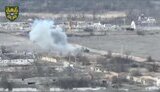 Destruction of enemy BMP-2 with Stugna ATGM in Donetsk region. VIDEO During the fighting near Tonenke, Donetsk region, soldiers of the 53rd Separate Mechanised Brigade destroyed a Russian BMP-2 with a Stugna ATGM. 8 515 3 Previously in trend: War
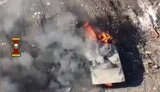 Warriors of 59th Separate Mechanized Brigade destroyed enemy self-propelled gun, ATGM and infantry fighting vehicles. VIDEO Soldiers of the Inquisition FPV drone unit of the 59th Separate Infantry Brigade named after Yakov Handziuk destroyed an Ural truck, a Sturm-S ATGM, an IFV, a KamAZ, a BMP-1, and an 2S3 Akatsiia self-propelled gun. 5 144 3 Previously in trend: War
 Destruction of enemy infantry fighting vehicle with "Stugna" ATGM: "Come on, bro, come on! Hit those who are driving!". VIDEO Soldiers of the 47th Separate Mechanized Brigade "Magura" destroyed a Russian infantry fighting vehicle with a Stugna ATGM in the Avdiivka sector. 11 524 18 Previously in trend: War
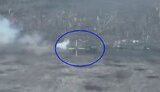 Destruction of enemy T-72B tank near village of Terny, Donetsk region. VIDEO The soldiers of the 60th Brigade used Stugna-P ATGMs and kamikaze drones to destroy a Russian T-72B tank of the 2022 model near the village of Terny in the Donetsk region. 7 278 8 Previously in trend: War
 Anti-tank gunners tracked down Russian IFV and struck it with Stuhna ATGM. VIDEO Anti-tankers of the 93rd separate mechanized brigade "Kholodny Yar" tracked down a Russian IFV (infantry fighting vehicle) with troops in the Lyman direction. The soldiers struck at the enemy vehicles with Stuhna ATGMs. 7 400 8 Previously in trend: War
 Special operations soldiers destroyed six enemy armored vehicles and an aerial reconnaissance crew near Avdiivka using Stuhna ATGM. VIDEO Soldiers of the first assault detachment of the Special Forces Center "OMEGA" using the ATGM "Stuhna" destroyed six enemy armored vehicles and a crew of aerial reconnaissance men in the Avdiivka direction. 9 189 21 Previously in trend: War
 Fighters destroy two enemy armored vehicles with help of Swedish NLAW ATGM. VIDEO In Zaporizhzhia, Ukrainian soldiers destroyed two enemy armored vehicles using the Swedish NLAW ATGM. 9 500 10 Previously in trend: War
 Soldiers hit occupants’ hideout from Stugna ATGM: "Easy as falling off log! Four pieces are dead". VIDEO Ukrainian soldiers using Stugna anti-tank guns eliminated four occupants hiding in a trench near Avdiivka. 13 191 7 Previously in trend: War
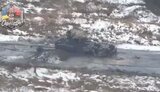 Ukrainian troops destroy rare Russian T-90S tank near Mariinka. VIDEO Ukrainian defence forces hit a rare Russian T-90S tank near Maryinka with a Javelin anti-tank missile system. The Russians have lost only eight such tanks in Ukraine. 18 336 24 Previously in trend: War
 Ukrainian defenders using Stugna-P ATGMs destroy infantry groups and armoured vehicles of occupiers in Zaporizhzhia. VIDEO Soldiers of the 117th Separate Mechanised Brigade using Stugna-P ATGMs destroy infantry groups and armoured vehicles of the occupiers near the village of Robotyne, Zaporizhzhia region. 16 355 17 Previously in trend: War
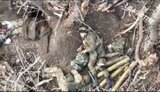 Drone finishes off enemy’s Fagot ATGM calculation. VIDEO The Ukrainian drone operator accurately dropped a munition and destroyed the occupier. 16 606 20 Previously in trend: War
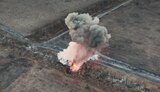 Destruction of rare enemy anti-tank missile "Sturm-SM" based on MT-LB. VIDEO Ukrainian soldiers used a kamikaze drone to destroy a rare enemy Sturm-SM based on MT-LB. 8 780 9 Previously in trend: War
 Ukrainian paratroopers from 79th Air Assault Brigade destroy Russian armoured vehicles with Javelin ATGMs. VIDEO A soldier of the 79th Separate Air Assault Brigade of the Armed Forces of Ukraine destroyed two units of Russian armored vehicles in the Mariinka sector using a Javelin ATGM. 19 013 13 Previously in trend: War
 Stugna-P ATGM destroying column of enemy armoured vehicles near Mariinka, Donetsk region. VIDEO Soldiers of the 79th Air Assault Brigade destroyed a column of armoured vehicles near Mariinka in the Donetsk region using a Ukrainian Stugna-P ATGM. 15 100 5 Previously in trend: War
 Enemy ATGM fires missile ’unauthorisedly’ after being hit by Ukrainian drone. VIDEO Operators of Ukrainian drones from the control and artillery reconnaissance battery of the 110th Brigade named after Lieutenant General Mark Bezruchko destroyed an enemy anti-tank unit near Avdiivka. 15 171 12 Previously in trend: War
 Stuhna ATGM crew destroys enemy armored vehicles near Avdiivka: "I love it! Reload!". VIDEO Stuhna ATGM crew destroyed at least two enemy armored vehicles and stopped the assault on Ukrainian positions. 10 761 11 Previously in trend: War
 Ukrainian Armed Forces destroyed Russian tank with American TOW anti-tank guided missile. VIDEO Ukrainian soldiers destroyed an enemy tank with an antitank-guided missile BGM-71 TOW (Tube-launched, Optically tracked, Wire-guided). After the first hit, the tank was blown to pieces. 16 509 24 Previously in trend: War
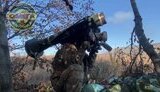 Soldiers of AFU hit Russian tank with Javelin ATGM in Donetsk region. VIDEO Soldiers of the 5th detachment of the "Omega" Special Forces Centre of the National Guard of Ukraine near the village of Vodiane, Donetsk region, hit a Russian tank with a Javelin ATGM. 14 071 23 Previously in trend: War
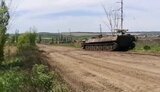 Destruction of Russian "Shturm-S" self-propelled ATGM. VIDEO A video of the destruction of a Russian self-propelled ATGM ’Shturm-S’ in the Zaporizhzhia region has been published online. 10 951 18 Previously in trend: War
 Ukrainian Armed Forces eliminate occupant with Fagot ATGM in Lyman sector. VIDEO Servicemen of 80th separate airborne assault brigade eliminated an occupier using a Fagot ATGM in Lyman sector. 9 171 57 Previously in trend: War
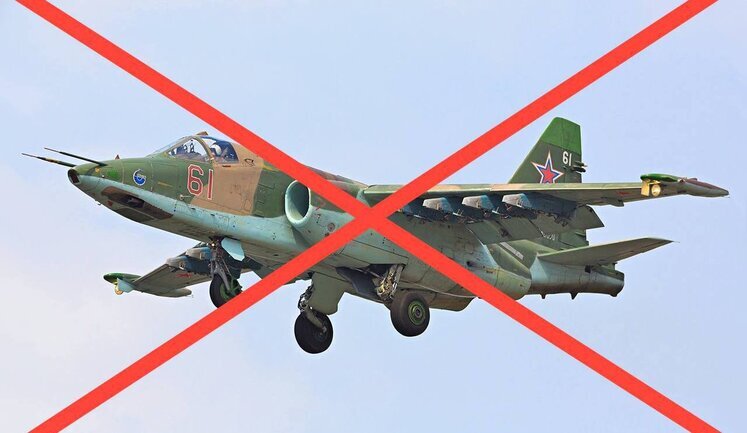
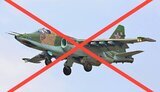 Our soldiers shot down a Russian Su-25 attack aircraft with MANPADS. VIDEO Ukrainian Armed Forces fighters shot down one of the best Russian SU-25 attack aircraft in the Bakhmut direction using Igla MANPADS. 23 226 78 Previously in trend: War
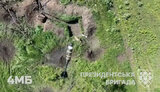 Presidential Brigade destroyed Russian ATGM "Kornet" along with enemy machine gun. VIDEO Soldiers of the 4th Mechanised Battalion of the Presidential Brigade destroyed an enemy Kornet anti-tank missile system along with an enemy machine gun and ammunition. 10 725 20 Previously in trend: War
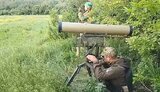 AFU destroyed Russian "Murom-M" surveillance system with a trophy ATGM. VIDEO Soldiers of the 66th Separate Mechanized Brigade of the Armed Forces of Ukraine destroyed a Russian Murom-M surveillance station and electronic warfare and communications equipment from a trophy Kornet ATGM with a precise shot. 6 921 28 Previously in trend: War
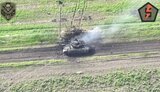 Ukrainian troops destroy Russian tank with ATGM in Donetsk region. VIDEO Our soldiers destroyed an enemy tank using an anti-tank gun near village of Klishchiyivka, Donetsk region. 11 253 12 Previously in trend: War
 Fighters of 72nd SMB destroyed Russian tank with ATGM "Stugna-P". VIDEO The 72nd Brigade’s anti-tank gunners destroyed a Russian tank with a Ukrainian-made Stugna-P ATGM. 7 780 3 Previously in trend: War
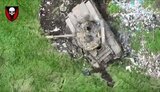 Ukrainian fighters destroyed enemy tank in Vuhledar direction. VIDEO Soldiers of the 72nd Separate Mechanised Brigade named after the Black Zaporozhians destroyed a Russian T-80BV tank using an ATGM in the Vuhledar sector. 8 593 11 Previously in trend: War
 Four tanks in three minutes: session of rapid destruction of enemy armored vehicles from calculation of "Stugna-P" ATGM. VIDEO A "Stugna-P" ATGM unit destroyed four Russian tanks in the Izium area. 23 639 65 Previously in trend: War
 Soldiers of 45th Airborne Brigade destroy Russian T-90 tank. VIDEO Anti-tank fighters of 87th Battalion of 45th Separate Artillery Brigade destroyed a Russian T-90 tank with a trophy ATGM. 5 563 23 Previously in trend: War
 Soldiers of 45th Separate Airborne Brigade destroy a Russian T-90 "Breakthrough" tank. VIDEO Anti-tank soldiers of 87th Division of 45th Separate Artillery Brigade of Ukrainian Armed Forces destroyed a Russian T-90 "Breakthrough" tank in Svatove-Kreminna area. 18 229 24 Previously in trend: War
 The calculation of the "Stugna" ATGM destroys enemy armored vehicle and its crew. VIDEO Fighters of the 66th separate mechanized brigade in the Luhansk region destroyed the enemy MTLB and its crew with the help of the Ukrainian-made anti-tank missile "Stugna". 14 569 12 Previously in trend: War
 Two enemy Ka-52 helicopters were destroyed by paratroopers of 95th brigade with "Stugna-P" ATGM. VIDEO Fighters of the 95th Separate Airborne Assault Brigade destroyed two Russian Ka-52 helicopters with Ukrainian-made Skif/Stugna-P ATGMs. 34 521 52 Previously in trend: War
 Warriors of 30th Brigade fire at Russian anti-tank unit with drones. VIDEO A video has been posted online showing fighters of 30th separate mechanized brigade named after Prince Ostrozkyi destroying a Russian anti-tank calculation with help of drones. 12 845 23 Previously in trend: Russian aggression against Ukraine War
 Destruction of two Russian T-72B tanks with American Javelin ATGM. VIDEO A video recording the destruction of two Russian T-72B tanks with the help of the American Javelin ATGM has been published online. 41 782 68 Previously in trend: War
Page 1 of 2
more video