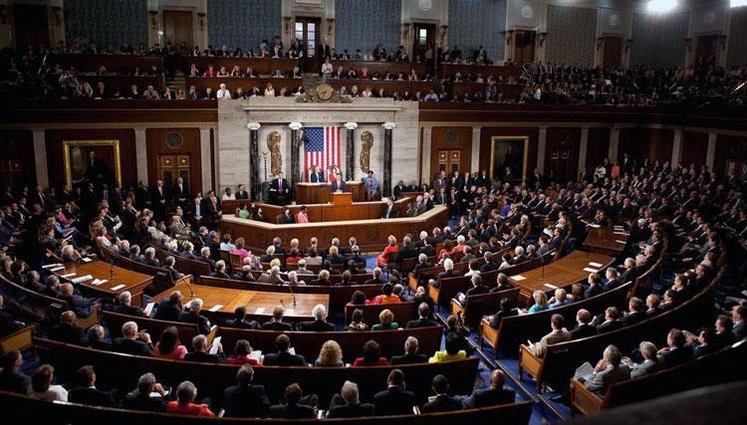
Within US Congress, multiple issues involving Ukraine continue to generate significant debate. Key members, including Republicans and Democrats, have urged new sanctions on Russia while supporting robust military aid to Ukraine. The defense spending bill passed in Congress highlights a commitment to Ukraine with an allocation of $400 million. However, the complex dynamics within the US political landscape, including opinions from various Congress members, demonstrate both support and challenges faced regarding aid. Concurrently, discussions about security guarantees and long-range weaponry further emphasize the importance placed on Ukraine's defense against Russian aggression.
What recent measures has US Congress taken regarding Ukraine aid?
The US Congress has passed a substantial defense bill allocating $400 million to Ukraine, aimed at increasing military readiness and support amidst ongoing Russian aggression. This indicates a strong commitment from the legislative body to maintain aid for Ukraine, although different factions within Congress continue to debate the extent and nature of this support.
How is the US Congress involved in security guarantees for Ukraine?
The US Congress has shown readiness to ratify security guarantees for Ukraine, as stated by Ukrainian officials. This would involve legislative approval of measures aimed at enhancing Ukraine's defense capabilities and ensuring ongoing cooperation between the United States and Ukraine in the face of security threats.
What stance has US Congress taken on sanctions against Russia recently?
Several members of US Congress, including both Republican and Democratic senators, have advocated for new sanctions against Russia. These sanctions are aimed at increasing pressure on Russia in response to its actions against Ukraine, reinforcing a bipartisan commitment to protecting international norms and supporting allies.
Have there been any significant Congressional delegations in Ukraine recently?
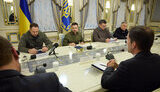
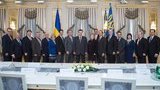
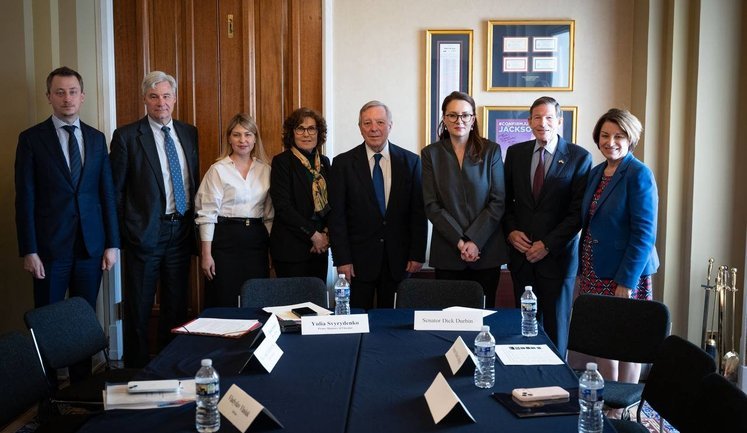
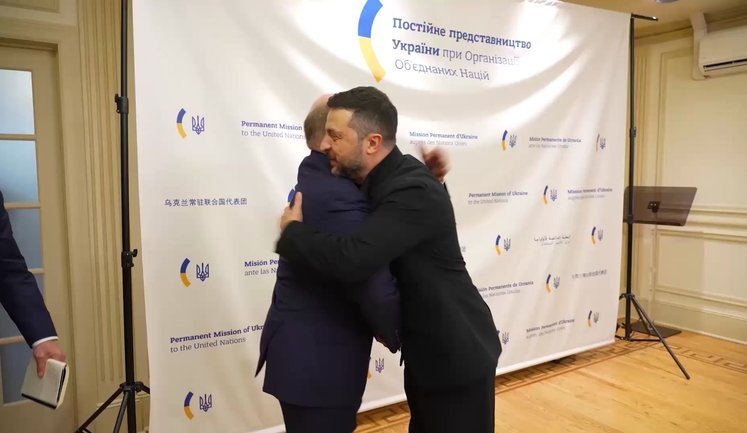
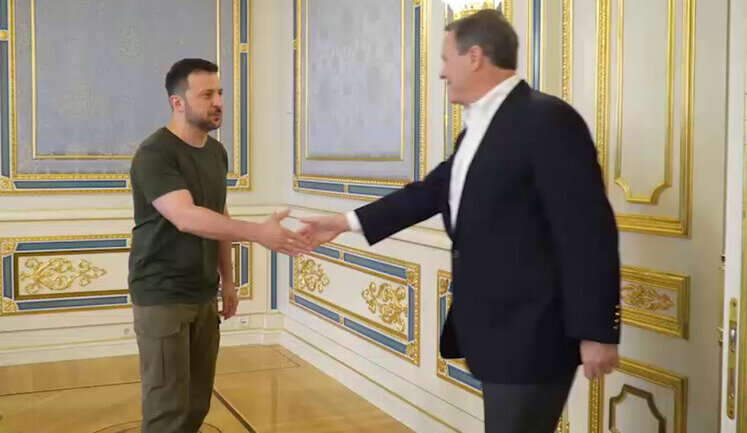
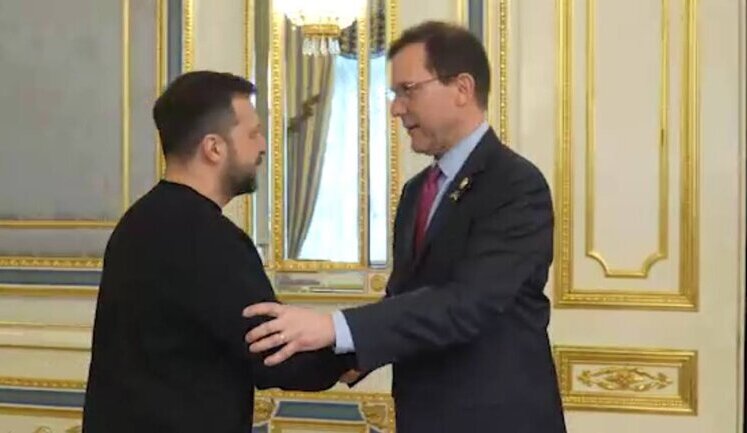
A bipartisan delegation from US Congress has recently visited Kyiv, meeting with Ukrainian leaders to discuss ongoing support and collaboration. Such visits underscore the importance of US-Ukraine relations and Congress’s role in shaping foreign policy and military support in response to regional conflicts.
Has US Congress been united in its approach to the Ukraine conflict?
While there is strong bipartisan support for aid to Ukraine and sanctions on Russia, there are differing opinions on the specifics and amounts of aid. Some Congressional members express concerns about certain policies, reflecting the complexity and nuances within US politics concerning international aid and sanctions.